Leave Your Message

Blog

What Is a CE Certified Tempered Glass Sliding Wall?

What Is a CE Certified Tempered Glass Sliding Wall?

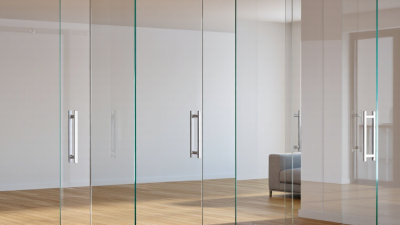
So, you've probably come across this thing called a CE certified tempered glass sliding wall – it's basically a wall made of glass panels that slide, kind of like a sliding door but bigger, and it's designed to either split a room or open it up. People often search for that exact phrase when shopping around, but here's the catch: just because it says 'CE certified' doesn't mean it covers everything you might expect. You really need to dig into what that certification actually includes. Look, when you see that CE marking on a product, it just means it meets the EU's requirements – nothing more. Honestly, it's not some kind of quality award or a sign that the thing is top-tier. So don't get it twisted. It's just about compliance, basically. So, here's the thing about tempered glass: it's basically heat-treated to be way stronger than your regular, everyday annealed glass. And if it does break, it shatters into tiny chunks rather than big dangerous shards—though, let's be honest, no glass is totally risk-free. But you know what really matters? The details. I mean, panel thickness, how the edges are finished, the quality of the hardware, and of course, the installation—they all play a part. I've seen setups where a smooth track and perfectly aligned rollers make sliding feel like a dream, so fluid it's almost effortless. Honestly, it's the little things that count, you know? So before you go ahead and pick out a CE certified tempered glass sliding wall, it's really worth digging into the product documentation first. I mean, you want to double-check what exactly is covered by that declaration of conformity – like which parts are actually included. And don't be shy about asking about the glass specs, how big the panels can get, the load limits, and what kind of maintenance they need. Also, think about your specific situation – does the wall fit the opening? What's the floor like? How much traffic will it see? It's funny, but these are the things that are super easy to miss when you're just looking at it in a showroom, you know? Everything looks great under the lights, but the details matter. Honestly, a smartly designed system can work wonders for pulling daylight deeper into a room, all while keeping your layout flexible. But here's the catch – the glass isn't the whole story. You've got to consider the frame, the seals, the locks, and even how it's installed. Those all play a part in stability, sound control, and how easy it is to use. And don't just assume that every sliding wall gives you strong acoustic separation – ask for actual test results if privacy is a big deal. I know comparing options carefully isn't as exciting as just grabbing one and going, but trust me, it'll save you from a whole lot of headaches down the road with fit and servicing.
Read more »
Charlotte By:Charlotte - November 13, 2026
What Is Aluminum Greenhouse Glass and Is It Worth It?

What Is Aluminum Greenhouse Glass and Is It Worth It?

Aluminum greenhouse glass — it's a pretty neat combo, honestly. You get a corrosion-resistant frame and glass panels that let in natural light and give you a clear view of your plants. But here's the thing: "glass" isn't a one-size-fits-all deal. The thickness, the coating, how the frame is designed, ventilation, even your local climate — they all play a part in how it actually performs. Small details? They matter more than you'd think. So, Pilkington's numbers say that a 4mm clear float glass lets through roughly 90% of visible light. But that's just for the glass itself, you know? A real greenhouse is a different story—framing, dirt, condensation, even the angle of the panels can all cut down on light actually hitting your plants. And if you look at the ASHRAE Handbook on HVAC applications, they treat greenhouse heating as a whole design problem, not just picking the right glass. Especially if you're somewhere cold or windy, going with single glazing might mean your heating bills shoot up. If you're in a warmer climate, you really can't overlook either ventilation or shading—they both deserve the same amount of care. Honestly, neither one should be an afterthought. Bruce Bugbee over at Utah State—he’s a researcher who studies controlled-environment agriculture—has really hammered home how much light matters for plants. That’s a big part of why growers compare glazing not just by how much light it lets through, but also by how well it holds onto heat. So, for some projects, you might find that 4mm toughened glass for aluminum greenhouse and garden house hits a nice balance between clarity and impact resistance. But honestly, even tougher glass can't do much if the framing is weak or the installation is sloppy – that's a detail that often gets overlooked. So, is aluminum greenhouse glass actually worth it? Honestly, it can be—especially if you care about durability, light, and looking clean. But here's the thing: the real answer depends on where you live, what you're growing, and how much you're willing to spend overall. It's not just about the label on the material, you know? Before you pull the trigger, you should really check the glass specs, the frame's thermal design, drainage, and even what your replacement options are. And then, take a step back and weigh all those trade-offs carefully because they're not always obvious.
Read more »
Lily By:Lily - November 8, 2026
How to Choose 12mm Wholesale Glass Railing Panels?

How to Choose 12mm Wholesale Glass Railing Panels?

Honestly, choosing 12 mm railing glass isn't just about thickness—it's really a specification decision. I mean, you've got panel size, edge treatment, support design, installation conditions, and documented performance to think about. And for context, Grand View Research put the global construction glass market at around USD 118.7 billion in 2022, with about 7.2% yearly growth expected from 2023 to 2030. Look, this big market number definitely shows that architectural glass is being used more and more. But honestly, it doesn't tell us anything about whether a specific railing system is actually in demand or even fits the job. And that distinction? Yeah, it really matters. So you're checking out wholesale 12mm glass railing panels — okay, first things first, it really comes down to your project. Are the panels going to sit in a base shoe? Or maybe you're thinking stand-off fittings? Could even connect them straight to posts. And here's the thing: a 1,200mm-wide panel isn't going to behave the same as a narrow one, even if both are 12mm thick. Definitely something to keep in mind. One thing I'd suggest: when you're talking to suppliers, don't just ask for a price. Ask for the glass composition, processing details, dimensional tolerances, edge-finish samples, and any test or engineering documents that apply to your assembly. Just saying it's "tempered" really doesn't tell you enough—and a rock-bottom quote isn't a spec either. First off, make sure you check your local building requirements—and definitely have the whole system reviewed by a qualified pro. The panel glass, fixings, anchors, and supporting structure all work together, so you can't judge strength just by thickness alone. ASTM E1300 is a handy guide for figuring out how glass handles certain loads, but it's not a replacement for project-specific design or local codes. Also, be sure to ask straight-up questions about packaging, breakage claims, lead times, and how well replacement panels will match. It’s often the little things that make all the difference. A supplier’s brochure might look really polished on the surface, but it can still leave some gaps—and honestly, those gaps are easy to miss. You just have to notice them. This guide is here to help you compare wholesale options with real evidence, while keeping in mind that there’s no single spec that fits every balcony, stair, or site condition. One size really doesn’t fit all.
Read more »
Charlotte By:Charlotte - November 4, 2026
2026 Best 12mm Wholesale Glass Railing Panels?

2026 Best 12mm Wholesale Glass Railing Panels?

So you're looking at wholesale 12mm glass railing panels for 2026? Here's the deal – it's way more than just the thickness. You gotta think about the glass type, edge finishing, panel sizes, the mounting system, and whether they've got performance data to back it up. Just slapping '12mm' on a spec sheet doesn't really tell you anything. What actually matters is what's holding it up, how it's being installed, and what your specific project demands. And honestly, the tiny stuff – that's where the real difference shows. Demand for railings, you see, is tied to what's happening in construction overall. But you can't just look at broad market numbers and expect to predict exactly how many railing orders are coming your way. Sure, the U.S. Census Bureau's construction spending reports give you a solid idea of building activity, but they're not going to tell you how many glass balustrades people are buying. That's a whole different ballgame. And when it comes to sustainability, there's a report from the World Green Building Council from 2019 – Bringing Embodied Carbon Upfront – that estimates materials and construction together are responsible for about 11% of global energy-related carbon emissions. That's a pretty big chunk, if you ask me. That's a good reason to actually sit down with your suppliers and ask them about manufacturing, transport, and product documentation, you know? You shouldn't just assume every glass panel leaves the same footprint—that's kind of a leap. Here’s the thing about comparing wholesale glass railing options: you really have to dig into the specs, check how transparent suppliers are, and come armed with the right questions. There’s a technical standard — ASTM E2358 — that covers performance of glass in permanent railing systems, and it’s a good reference point. But don’t forget to confirm what’s required locally and for your specific project, because codes and conditions vary. When you’re talking to suppliers, ask for test reports, glass build-up details, tolerances, packaging methods, and how long replacements take. A glossy catalogue might look impressive, but it’s definitely not proof of quality. Don't just take the lowest quote at face value—it almost never includes everything you'll pay for installation or service down the road. And you know, some listings are really vague about the important stuff. That's not something to ignore; that's a clue you should look into before you decide.
Read more »
Charlotte By:Charlotte - October 30, 2026
How to Choose Tinted Tempered Glass for Your Project?

How to Choose Tinted Tempered Glass for Your Project?

So, picking the right tinted tempered glass isn't just about grabbing the prettiest color swatch. I mean, sure, a sample might look stunning under those fancy showroom lights, but wait until you see it next to actual concrete or timber, or under warm LED lighting—it’s a whole different story. You’ve also gotta think about which way your windows face, the climate you’re in, how big the windows are, what the room’s used for, and how much glare you’re dealing with. Honestly, it’s a bit of a puzzle. You know, Mark Meshulam – a guy who really knows his stuff when it comes to building envelopes – once said, 'Glass is part of the building system, not just a finish.' Honestly, that's a principle we should all keep in mind when picking glass. So, you've got to check the visible light transmittance, the solar heat gain coefficient, the U-factor, thickness, and safety performance – all that good stuff. Now, Guardian Glass and Viracon have plenty of technical data that can help you compare, but here's the thing: that data still needs to be interpreted for your specific project. It's not one-size-fits-all, you know? You know, just because a specification worked for another building doesn't mean it's gonna fit this one — every project's got its own quirks, so you gotta be careful with that kind of copy-paste approach. Ever wonder why people throw around terms like Tinted Glass | Smoked Glass | Colored Glass? Honestly, each one has its own personality. Tinted glass? It'll dim things down a bit but you still get a clear view outside. Smoked glass? That brings the contrast, but it can make the whole room feel like a moody cave. And colored glass? Oh, that's for adding some flair to your space—though you might have to say goodbye to some natural light. You know, when you're picking materials, don't just look at each thing on its own. Think about how the glass works with the flooring, the wall paint, the hardware, and even the exterior cladding. And here's a trick: take your samples outside—like, actually outside—and check them in the morning light, then again in the afternoon. The difference is wild. Honestly, it's the little details that end up making or breaking the whole vibe. Honestly, I'd rather look at performance before appearance—sure, it's not as flashy, but it's a whole lot safer. You know, one bad decision can mess with your comfort, bump up energy bills, and force a costly replacement for years down the line. So when it comes to Tinted Tempered Glass, don't just wing it—you really need to sit down with the architect, the fabricator, and the glazing contractor and figure it out together. Good design isn't just about looking dark, reflective, or trendy. It's got to actually work when people start using the building, right?
Read more »
Lily By:Lily - October 27, 2026
10 Tips for Buying Tinted Tempered Glass

10 Tips for Buying Tinted Tempered Glass

When you're picking out tinted tempered glass, it's not just about the color. Trust me—it touches a lot more than that: safety, how much daylight comes through, solar heat, privacy, and even how it'll look down the road. Did you know? According to the U.S. Department of Energy, windows can be responsible for about 25–30% of the energy used to heat and cool a home. Yeah—that's a pretty big chunk. So choosing glass isn't just about looks; it's a performance decision. The National Fenestration Rating Council also says you should compare visible transmittance, solar heat gain coefficient, and U-factor. Those numbers basically show how a pane will perform in real-world conditions. You know, Dr. Helen Sanders—a well-known building-science expert—puts it pretty simply: “Glass performance has to be looked at as part of the whole building envelope.” And that’s especially true when you’re comparing Tinted Glass | Smoked Glass | Colored Glass. Sure, a darker surface can cut down on glare, but it might also mean less daylight and more reliance on indoor lighting. So, tempering does make glass safer when it comes to impact. But here's the catch: it doesn't automatically guarantee good thermal performance. This guide gives you 10 practical tips for buying tinted tempered glass. We'll go through color consistency, thickness, heat treatment, edge quality, optical distortion, coatings, certification, and supplier documentation. My advice? Ask for test reports—not just an attractive sample. A small sample can hide visible variation that shows up across a large façade. I haven’t checked every single supplier claim — and yeah, that’s a pretty important limitation. A lot of brochures tend to simplify the complex performance data, which can make things look cleaner than they really are. So before you place an order, it’s worth comparing verified values, your actual project conditions, and the installation requirements. At the end of the day, the right glass should look refined at noon, stay comfortable when you’re near the window, and hold up reliably for years.
Read more »
Lily By:Lily - October 24, 2026
7 Best Custom Screen Printed Glass Suppliers for Global Buyers

7 Best Custom Screen Printed Glass Suppliers for Global Buyers

Choosing a reliable supplier for Custom Screen Printed Glass requires more than comparing glossy catalogs. Global buyers need evidence of print durability, color consistency, edge quality, packaging, and export experience. David Ballantine, a glass-decoration specialist associated with Dip-Tech, once noted, “The quality of the final glass depends on the complete production system, not only the printed image.” That practical view matters. Screen printing involves ink formulation, mesh selection, curing conditions, glass preparation, and inspection. A beautiful sample can still fail after cleaning, shipping, or installation. This guide reviews seven suppliers serving international projects, including architectural façades, shower enclosures, furniture panels, partitions, and retail displays. The comparison considers technical capability, minimum order quantities, prototype support, customization, lead times, protective packaging, and communication quality. Companies such as Dip-Tech, GlassPrint, and DecoGlass may serve different project sizes and design requirements. Details matter. Ask how suppliers test adhesion. Confirm whether colors remain stable after tempering. Request physical samples with fine lines, transparent layers, and large solid areas. Review crate construction before approving overseas delivery. No ranking is perfect. Supplier websites rarely reveal every production limitation. Some factories also describe “custom” services broadly, while offering only fixed colors or standard patterns. That gap deserves attention. The strongest partner should explain limitations clearly. Reliability often appears in small details, such as labeled samples, measurable tolerances, and realistic delivery dates. This review helps buyers make a more informed decision before committing to Custom Screen Printed Glass for demanding global applications.
Read more »
Seraphina By:Seraphina - October 20, 2026
What Is a Veranda Sliding Glass Panel?

What Is a Veranda Sliding Glass Panel?

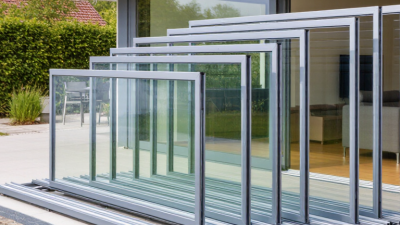
A veranda sliding glass panel is basically a movable glass section that lets you close off an outdoor veranda while still keeping the daylight and the view. It’s not a fixed window — instead, it glides along aluminium tracks. You can have several panels stack together, overlap, or meet at a corner, which gives you a flexible kind of boundary between the garden and your living space. The term Veranda Schuifwand Glaspaneel usually refers to a glass sliding wall used for weather protection and seasonal comfort. But how well it performs isn’t just about looks. Glass thickness, panel weight, track quality, drainage, seals, and how accurately it’s installed all come into play. Tempered safety glass is common, and laminated glass can add extra protection if something breaks. A good bottom track should glide smoothly, keep dirt out as much as possible, and channel rainwater away from the veranda. Elias Vermeer, a glazing consultant at ClearSpan Outdoor Systems, puts it this way: “A sliding glass panel should protect comfort without making the veranda feel sealed off.” That balance is easy to overlook. A narrow frame can look elegant, but if the alignment is off, you might get friction, rattling, or small water leaks. Cleaning regularly matters too. Dust builds up fast inside tracks, especially if there’s a lawn or unpaved patio nearby. The Veranda Schuifwand Glaspaneel idea is practical, but no system is perfect. Glass can still get condensation, and strong wind can make things less comfortable when panels are left partly open. Before buying, check for certified safety glass, warranty coverage, ventilation options, and local installation rules. A careful site measurement is a must. Without it, even premium panels can end up performing poorly.
Read more »
Seraphina By:Seraphina - October 15, 2026
How to Choose Tempered Glass Shower Doors?

How to Choose Tempered Glass Shower Doors?

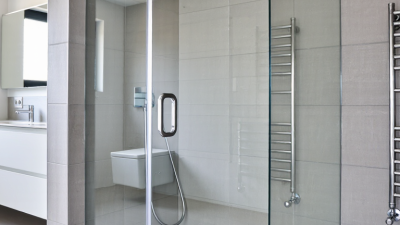
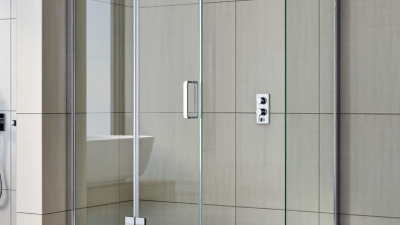
Picking the right tempered glass shower doors isn’t just about matching your bathroom’s colors. The glass, hardware, layout, and the way it’s installed all need to work together. If your bathroom is small, clear glass can help it feel bigger, while frosted or textured glass gives you a bit more privacy. And don’t forget about door swing. A gorgeous enclosure can still be a pain if it blocks your vanity, towel bar, or a narrow walkway. So start by checking the glass thickness, polished edges, safety markings, and any testing documents. Tempered glass is made to break into smaller pieces, but you still have to handle it carefully. Good suppliers should clearly explain specs, hardware quality, warranty terms, and installation requirements. In humid bathrooms, stainless steel hinges and corrosion-resistant seals usually hold up better. Measure the opening at several spots—walls aren’t always perfectly square. Those tiny mistakes? They show up fast after installation. Think about how it’ll feel day to day, not just how it looks in a showroom. A hinged door needs clearance. A sliding model needs a clean, stable track. Frameless designs look sleek, sure, but they can also highlight uneven walls and require very precise installation. This is where your own judgment comes in. The priciest option isn’t automatically the best. Even familiar search terms, like French Doors With Screens. Sliding Screen Doors. Glass French Doors. French Doors Patio. Sliding Glass, can pull you away from what your shower actually needs. Focus on water control, safe access, easy cleaning, and dependable service. If you’re unsure about measurements, stop and talk to a qualified installer. That one small step can save you from costly fixes later.
Read more »
Lily By:Lily - October 10, 2026
2026 Top Mirror Glass Manufacturers for Global Buyers

2026 Top Mirror Glass Manufacturers for Global Buyers

By 2026, the mirror glass market isn't just getting bigger—it's getting more demanding. Grand View Research points to construction, renovation, and interior design as the main forces behind global flat glass demand. Their analysis also shows buyers caring more about energy performance, surface quality, and customized processing. Mirror glass is right in the middle of that shift. A good Mirror Glass Manufacturer has to keep a close eye on silvering, protective coatings, edge finishing, packaging, and batch consistency. The little things really do matter. A faint haze near a corner? Multiply that across hundreds of panels, and it turns into a serious headache. The International Energy Agency keeps pushing industrial energy efficiency and lower-carbon manufacturing. So for global buyers, production transparency matters more and more. The International Organization for Standardization offers quality frameworks too, like ISO 9001, while EN 1036-1 gives useful guidance for silver-coated glass mirrors in building applications. This guide looks at leading manufacturers through a practical purchasing lens. That means production capacity, coating durability, thickness options, inspection systems, export experience, and technical communication. It also asks whether a supplier can offer a Copper and Lead Free Mirror from China manufacturer option, backed by clear composition and compliance documentation. No ranking is ever perfect. Factory scale can hide inconsistent batches. Nice samples don't always tell you how the product will hold up over time. Buyers should ask for recent test reports, production photos, packaging details, and references from similar projects. The companies selected here are meant for informed comparison—not automatic approval. Global buyers should still verify specifications on their own before placing orders. In the end, reliability starts with evidence, not promises.
Read more »
Charlotte By:Charlotte - October 7, 2026
China Top Upright Refrigerator Door Glass Suppliers

China Top Upright Refrigerator Door Glass Suppliers

Chinese suppliers of top-quality upright refrigerator door glass are really catching the eye these days, especially with retailers looking for clearer displays, energy savings, and reliable cold storage. According to Grand View Research’s 2024 report on commercial refrigeration, this market is set to keep growing through 2030 — fueled by expanding food retail stores and the need to swap out old equipment. Meanwhile, Mordor Intelligence highlights that energy efficiency and smart retail tech are becoming key buying factors, too. All these trends show that the glass on upright fridge doors isn’t just about looking good — it plays a big role in how well the fridge insulates, prevents condensation, withstands daily wear and tear, and gives customers a clear view of the products inside. Getting quality stuff starts with paying attention to the details you can measure. It’s worth checking the thickness of the glass, how strong the tempering is, if it has low-emissivity coatings, how well the seals are compressed, whether the hinges are properly aligned, and the thermal transmission values. Trustworthy Chinese manufacturers often produce insulated upright tempered refrigerator glass doors suitable for supermarkets, convenience stores, beverage cooling units, and labs. Companies like Ningbo Hicon, Qingdao Smad, and Zhejiang Xingxing all have their own approaches and product lines. Just keep in mind: supplier lists can get outdated pretty quickly. So, do your homework and verify before making any decisions. Always ask for testing records and, if possible, check samples in person. It’s also smart to compare multiple batches for consistency. Good suppliers should be transparent about how they make their glass — stuff like the spacer design, gas filling method, coating process, and quality control points. Their documentation should also meet the safety and energy standards of your target market. Industry reports are helpful as a starting point, but nothing beats visiting the factory or testing samples yourself. A glossy brochure can hide issues like uneven edges, weak seals, or inconsistent heating wires, and unfortunately, that’s something you might need to look out for. It might be uncomfortable to spot flaws, but being thorough pays off. This guide aims to help you compare China’s top suppliers based on their product range, manufacturing experience, certifications, customization options, and after-sales support — not just to pick the top-ranked ones, but to make practical, informed choices.
Read more »
Seraphina By:Seraphina - October 1, 2026
Top 10 Custom Screen Printed Glass Manufacturers Worldwide

Top 10 Custom Screen Printed Glass Manufacturers Worldwide

Looking for custom screen printed glass? It’s a clever blend of style and practicality. You’ll find it everywhere — from beverage bottles and cosmetic jars to food containers and architectural pieces. Sure, having a sharp logo is important, but things like how well the ink sticks, maintaining consistent colors, and precise registration—especially on curved surfaces—are just as vital. A tiny misalignment can turn a high-end package into something that looks kinda shabby, even if it’s small stuff. This guide’s got you covered with ten manufacturers from around the globe. The goal isn’t to tell you one perfect choice, but to help you compare what each can offer. Key points to look at include the printing techniques they use, the type of glass they work with, how much they can produce, whether they offer samples, their quality control measures, and how experienced they are with complex artwork. Don’t forget to ask how they match colors against your approved references. And, of course, ask for samples that show the actual glass shape, print area, and production process you’re after. Every detail really matters here. A thin line might get lost on textured glass, and dark inks can look totally different under store lighting. Make sure to test for things like scratch resistance, washing, and how well the print holds up in real-world conditions—these should match how you plan to use the product. It’s best to bring up these points early in discussions. While a polished sample gives a good idea, it doesn’t tell the whole story. You’ll want to get clear info on things like tolerances, lead times, minimum order quantities, and how they package everything—preferably in writing. Compare these details with your own needs. Remember, no single manufacturer is perfect for every project. Sometimes, the best choice is the one that’s upfront about what it can and can’t do. The companies featured here each have their own strengths, so picking the right one depends on your design, volume, budget, and how much support your team needs. Hope this helps you navigate the process a bit more smoothly—good luck with your project!
Read more »
Charlotte By:Charlotte - September 27, 2026
What Is Best China Tempered Laminated Glass Manufacturer?

What Is Best China Tempered Laminated Glass Manufacturer?

Picking the right Tempered Laminated Glass Manufacturer isn't just about comparing prices. Honestly, the real challenge lies in digging into the production details, reviewing documentation, and seeing how the glass performs in real-world situations. A solid manufacturer should have control over every step—cutting the glass, finishing the edges, tempering, lamination, and autoclave processing. Keep an eye out for consistent interlayer quality, traceability, and dependable testing records. Don’t be shy about asking how they handle common issues like bubbles, warping, edge exposure, or thickness tolerances. These tiny details often show up when you're looking at the glass beside a bright window or under direct sunlight. Experience really counts here, as does honest communication. Dr. Helen Sanders, a well-respected expert in building envelopes, has a simple but insightful rule: “Performance isn’t just about the glass—it’s about the entire glazing system.” Basically, even a beautiful, high-quality pane can underperform if the framing, seals, or installation are off. That’s why the best suppliers will talk about the whole assembly, not just the glass itself. A trustworthy Tempered Laminated Glass Manufacturer should be upfront with technical data, allow for sample approval, tag batches clearly, and provide reliable after-sales support. Certifications help, sure, but good old-fashioned production discipline is more important. If you can, visiting their factory can be a real eye-opener—more revealing than a glossy brochure. Watch how they handle the glass, check how they store it, and don’t hesitate to ask for recent project references. Now, let’s be honest—there’s no one-size-fits-all perfect supplier. Sometimes, the lowest quote might seem tempting at first, but it could end up costing you more in the long run with replacements, delays, or even just visual issues. This article compares manufacturers based on quality control, technical skills, customization options, delivery reliability, and the level of service. But keep in mind, things can change based on your project’s specific needs, so stay flexible and be ready to reconsider your choices if needed. Yeah, a bit of uncertainty is part of the process, and it’s definitely worth knowing that upfront.
Read more »
Lily By:Lily - September 22, 2026
Top 10 Tempered Glass Shower Doors for Global Buyers?

Top 10 Tempered Glass Shower Doors for Global Buyers?

Picking out the right shower enclosure is really about more than just looks or price. When it comes to tempered glass shower doors, you gotta consider things like safe materials, sturdy hardware, precise sizing, and installation support you can count on. In this guide, I’m sharing ten solid options from around the world, focusing on real-world performance rather than just eye-catching photos. We look at stuff like glass thickness, how neatly the edges are finished, water resistance, how smoothly the door opens and closes, the range for adjustments, and how easy it is to find replacement parts if needed. A good shower door should open easily without wobbling, stay aligned over time, and help keep splashes from spreading all over the bathroom floor. We also check certifications, how the factories control quality, packaging methods, and how responsive the suppliers are—these little things matter a lot, especially when products have to travel a long way. Even small defects can turn into costly headaches down the line. The models we’ve chosen fit different kinds of bathrooms—whether you’re in a cozy apartment or a fancy hotel suite. Some of them have frameless panels for a sleek, minimal look, while others are framed for extra stability and easier setup. We share insights from actual product research and installation experiences, but keep in mind, no list is perfect. Things like your wall condition, plumbing setup, or even how skilled your installer is can influence what works best. So, make sure you measure twice—and maybe even three times! Oh, and a quick heads up: if you’re browsing online, you might run into confusing terms like "French doors with screens," "sliding screen doors," or "French doors for patios." These are different door styles and can distract from what you really need to know about shower doors. We focus on the key details—what’s verified, how easy maintenance will be, and what kind of long-term value you can expect. Brands like ClearView Hardware and AquaFrame Systems can be helpful as references, but always double-check the current specs directly with the supplier. Remember, good buying decisions are based on facts and evidence, not just promises or pretty pictures.
Read more »
Lily By:Lily - September 18, 2026
Top 10 Types of French Door Glass Panels

Top 10 Types of French Door Glass Panels

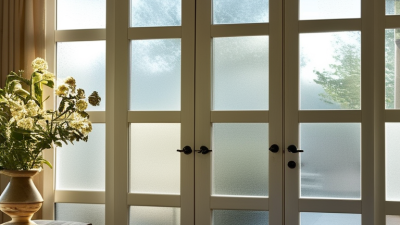
Picking the right glass panels for your French doors really can change the vibe of a room—think about how the light streams in, how private you feel, or just how cozy it all becomes. For example, a tight hallway might do well with clear glass to keep things bright, while a sunny kitchen might benefit from low-emissivity glass to keep the heat out. Some folks are all about the view; others just want peaceful mornings and fewer fingerprints showing up. It’s all about what feels right for you. Dr. Helen Sanders, who’s an expert in building science and windows, always recommends thinking about things like this: “Good glazing choices strike a balance between letting in daylight, saving energy, keeping things comfortable, and lasting over time.” Honestly, that’s often more important than just how it looks. Things like the frame material, glass thickness, the house’s orientation, the climate you’re in, and even the hardware all play a role. Sometimes, it’s the little details that really make a difference. This guide will walk you through the Top 10 Types of French Door Glass Panels—from clear and frosted to textured, laminated, and energy-efficient styles. We’ll also chat about how each one behaves near furniture, curtains, patios, or busy walkways. For summer breezes, French doors with screens can be a game-changer, but make sure to pay attention to the quality and how well they sit in their frames. Sliding screen doors can save space, but beware—they tend to collect dust in their tracks pretty fast. Glass French doors offer a sense of openness and style, but they can also show off clutter more easily. If you’re thinking about patio doors, designs that connect indoors and outdoors beautifully can really enhance your space, though sliding glass systems might need stronger framing and careful setup. Here’s the honest truth: no single panel is perfect for every home. Even a beautiful choice can sometimes feel too bright, too private, or just plain tricky to clean. By weighing the pros and cons, you’ll be better equipped to pick panels that suit your needs—making your decision easier, and hopefully, avoiding those costly regrets later on.
Read more »
Charlotte By:Charlotte - September 13, 2026