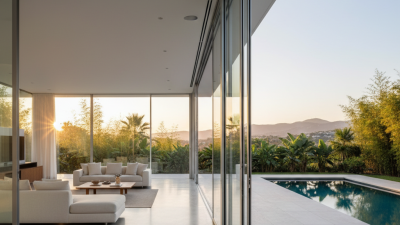
Thinking about home upgrades? Insulated Glass Doors and windows are actually a pretty smart move if you're aiming to save energy. Honestly, a lot of folks overlook how beneficial high-quality glazing can be. Not only does it help cut down on those pesky energy bills, but it also makes your place way more comfortable. There are loads of brands out there offering all sorts of innovative options, so it can get a little overwhelming trying to choose the right one.
Big names like Pella and Milgard are really solid when it comes to manufacturing low-E insulated glass for doors and Windows. Their products are known for being durable and offering top-notch thermal performance. That said, you’ll want to think carefully about the balance between price and quality—sometimes, the cheapest options might not give you the long-term benefits you’re after. Some people might prioritize looks or style, but honestly, it’s probably better to focus on something that’ll last and save you money in the long run.
Picking the right insulated glass for your doors and Windows isn’t totally straightforward — you gotta do a bit of homework. Things like your local climate, your design vibe, and energy ratings all play a part. Spending a little time reflecting on your needs will help you make smarter choices. When you get it right, it can totally transform your living space while also keeping energy costs in check.
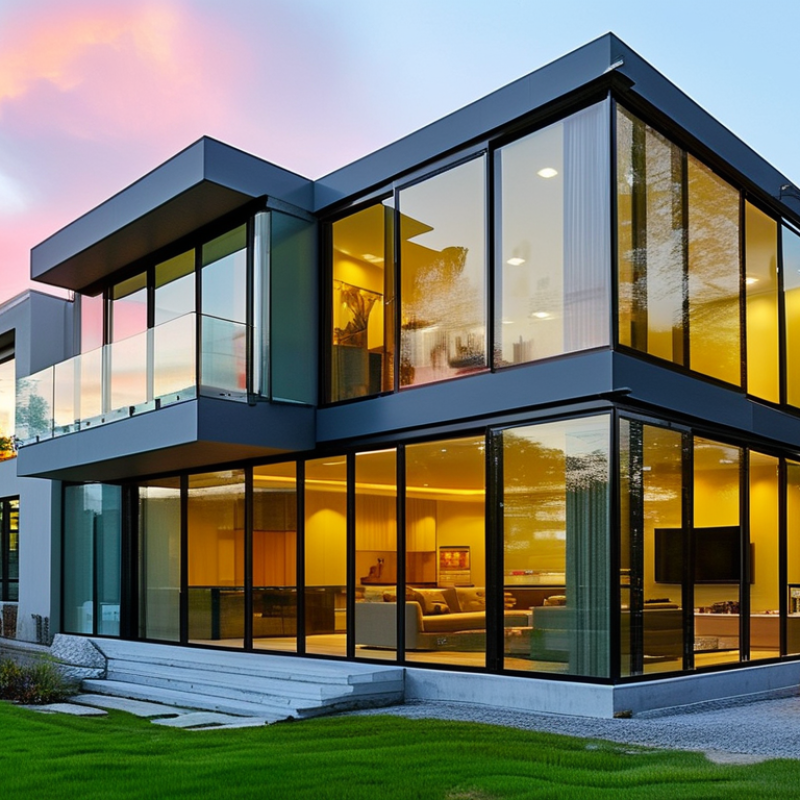
Top 5 Insulated Glass Doors and Windows for Energy Efficiency
When considering energy efficiency in home construction, insulation plays a vital role. Insulated glass doors and windows significantly contribute to reducing energy consumption. According to the U.S. Department of Energy, homes can lose up to 30% of their heating and cooling energy through inefficient windows. This is where insulated glass comes into play. Using materials like 3mm and 4mm Tempered Glass for French doors and windows enhances thermal performance.
Many builders are now opting for double or triple-glazed windows. Studies show these can decrease energy bills by up to 25%. In colder months, properly insulated glass retains heat better. This not only leads to comfort but also lowers reliance on heating systems. However, some homeowners may overlook proper installation. Misalignment can lead to air leaks that negate any efficiency gained, highlighting the importance of professional installation.
The selection of the right framing materials is also crucial. Vinyl and fiberglass frames generally provide better insulation than traditional wood. However, decorative elements can sometimes compromise efficiency. Striking a balance between aesthetics and functionality remains a challenge. Homeowners often face dilemmas when wanting stylish designs versus optimal performance. Ultimately, informed decisions about materials and installation are key to ensure energy-efficient benefits are realized.
Top 5 Insulated Glass Doors and Windows for Energy Efficiency
Understanding the Types of Insulated Glass: Double vs. Triple Pane
When considering insulated glass for doors and windows, understanding the differences between double and triple pane options is essential. Double-pane glass consists of two layers of glass with a space filled with argon gas. This design effectively reduces heat transfer. According to the U.S. Department of Energy, double-pane windows can improve energy efficiency by up to 25%-30% compared to single-pane alternatives.
Triple-pane glass adds an additional layer, providing even greater insulation. The extra pane allows for a further reduction in heat loss. Studies show that triple-pane windows can offer energy savings of 30%-50% in colder climates. However, they also come with increased weight and cost. This may not be suitable for all building structures.
Choosing the right type of insulated glass depends on various factors, including climate and budget. Double-pane windows may be sufficient in moderate climates where energy efficiency is important but not critical. On the other hand, in extreme climates, the performance benefits of triple-pane glass can make a significant difference. Homeowners must weigh these considerations carefully to make the best decision for their specific needs.
Key Features to Consider in Insulated Glass Windows and Doors
When choosing insulated glass windows and doors, key features play a vital role in making an informed decision. Energy efficiency is at the top of the list. Look for products with a low U-factor, which measures heat transfer. Lower values indicate better insulation. This can translate to lower energy bills and a more comfortable home. Double-glazed or triple-glazed options often provide superior performance, reducing noise and enhancing thermal resistance.
Another crucial aspect is the frame material. Vinyl, wood, and aluminum frames each have unique benefits and drawbacks. Vinyl typically requires less maintenance and offers excellent insulation, while wood adds natural beauty but may need more upkeep. Consider the aesthetic you want. The right choice can enhance your home’s look while providing functional benefits.
Finally, pay attention to the gas fills between the glass panes. Argon and krypton gases improve insulation and reduce condensation. These elements are essential for achieving optimal performance. Keep in mind that not all insulated glass units are created equal. Researching product specifications can help in understanding these differences better. Each choice has its limitations. Reflect on which features matter most to your needs before making a purchase.
Evaluating Energy Ratings: U-Factor and Solar Heat Gain Coefficient
When selecting insulated glass doors and windows, understanding energy ratings is essential. The U-Factor measures heat transfer. A lower U-Factor indicates better insulation. For example, a U-Factor of 0.20 is far more effective than 0.30. This efficiency contributes to lower energy costs and a more comfortable indoor environment.
Solar Heat Gain Coefficient (SHGC) also plays a crucial role. It assesses how much solar radiation passes through the glass. SHGC values range from 0 to 1. A lower SHGC is preferable in hot climates, while higher values benefit colder regions. Many buyers overlook these ratings, yet they significantly impact energy efficiency.
New technologies in Chinese Architectural Glass Insulated Glass Doors Windows offer better performance. Reports indicate that composite frame materials enhance insulation properties. However, these advancements also come with higher upfront costs. Buyers must consider long-term energy savings versus initial investment. Not all options provide the same level of efficiency, so thorough research is vital.
Comparative Analysis of Popular Insulated Glass Brands and Models
When it comes to insulated glass doors and windows, buyers often feel overwhelmed by choices. The market offers various options, each with its unique features. Some models excel in energy efficiency, while others focus on design aesthetics. For example, certain insulated glass doors provide superior thermal performance without sacrificing elegant looks.
Evaluating different brands can reveal significant differences. Certain brands emphasize durability and long-term performance, while others target affordability. This variability leads to uncertainty for consumers. Not all companies disclose the materials used in their products, which is essential for making informed decisions. The transparency of manufacturing processes varies widely. Buyers should look for detailed specifications to understand the insulation properties applicable to their homes.
Insulated glass for specific uses, like sauna doors and windows, requires special consideration. The heat and humidity in a sauna create unique challenges for insulation. All glass sauna doors must resist steam while maintaining a stylish appearance. The effectiveness of the glass hinges on its quality and construction. Some insulated models may not perform well under these conditions. Therefore, a careful assessment is crucial.
Cost-Benefit Analysis: Long-Term Savings with Insulated Glass Installations
Insulated glass installations promise notable long-term savings. According to the U.S. Department of Energy, well-insulated windows can reduce energy bills by 25% to 30%. The initial cost may seem high, but the savings often justify this. Homeowners can expect a payback period of around 5 to 10 years. Over time, these savings can significantly offset the upfront expenses.
Energy-efficient Insulated Glass Windows also enhance comfort. They create a stable indoor temperature by minimizing drafts. Yet, some may overlook potential maintenance costs. While insulated glass is durable, seals can fail, leading to condensation between panes. This can affect both aesthetics and efficiency. Regular inspections help maintain performance and extend lifespan.
Additionally, many buyers underestimate the impact on property value. Energy-efficient features can enhance home resale potential. According to real estate experts, properties with high-efficiency windows sell up to 10% faster. This statistic highlights the multifaceted benefits of investing in Insulated Glass Windows. Balancing upfront costs with long-term gains is critical.
Top 5 Insulated Glass Doors and Windows for Buyers
| Product Type | Material | Energy Efficiency Rating | Estimated Cost ($) | Long-Term Savings (Annual) ($) |
| Double Glazed Window | Vinyl | A+ | 350 | 150 |
| Triple Glazed Door | Fiberglass | A++ | 600 | 200 |
| Double Glazed Slider Window | Aluminum | A | 400 | 120 |
| Insulated Vinyl Window | Vinyl | A | 300 | 100 |
| Aluminum Triple Glazed Window | Aluminum | A++ | 650 | 220 |
Installation Tips and Best Practices for Optimal Insulation Performance
When installing insulated glass doors and windows, proper placement is crucial. Begin by ensuring the rough opening is square. Use shims to adjust if necessary. This prevents gaps that may lead to energy loss. Seal any cracks with foam insulation to improve efficiency. Pay attention to the weather stripping; it plays a key role in insulation.
Another important aspect is the frame material. Consider using materials with low thermal conductivity, like vinyl or fiberglass. These frames offer better performance against outdoor temperatures. During installation, keep the glass clean and free from debris. This small detail can affect the long-term performance of insulation.
Regular maintenance is essential for optimal performance. Inspect seals and weather stripping annually. Replace worn-out components immediately. Small repairs can significantly boost insulation efficiency. Reflect on the installation process and identify areas for improvement. Each step counts toward achieving a well-insulated home.
Exploring Customizable Printing Glass: Unique Designs and Direct Factory Quality from Chinese Suppliers
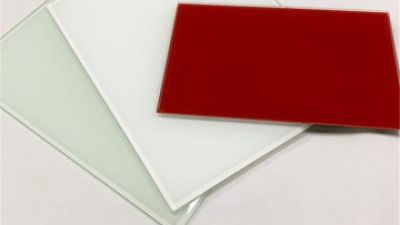
Customizable printing glass has become a sought-after solution in the interior design and decorative art industries, thanks to its versatility and aesthetic appeal. By partnering with factories in China that specialize in painted glass, clients can explore a world of unique designs tailored to their specific needs. The ability to apply liquid pigments onto glass substrates allows for the transformation of ordinary glass into stunning decorative panels, art pieces, and functional elements. According to industry reports, the global architectural glass market is expected to grow significantly, with a forecasted CAGR of over 8% in the next five years, which indicates a robust demand for custom solutions.
One of the standout features of our painted glass offerings is their customizability. Whether clients require specific sizes, colors, or shapes, the factory is equipped to provide tailored solutions that include options like drilled holes and water-jet cutting. Popular color choices utilize recognized standards such as RAL and Pantone color cards, ensuring that businesses can achieve the exact aesthetic they envision. Additionally, the manufacturing processes allow for air-drying, baking, or vitrifying the glass to ensure durability and lasting adhesion, catering to various applications and environments.
Logistics and payment terms are also streamlined to ensure a smooth experience for clients. With flexible shipping options—by sea or rail—and comprehensive insurance coverage for goods, businesses can trust that their orders are in safe hands. Whether managing FCL or LCL cargo, the professional team oversees all loading processes directly, providing peace of mind in the transport phase. By focusing on quality craftsmanship and customizable solutions, suppliers in this industry are meeting the growing demand for innovative glass products.
FAQS
: Look for features like energy efficiency and design. Different models focus on various aspects.
Check the materials used and look for detailed specifications. Transparency in manufacturing is crucial.
No, sauna doors need special insulated glass that resists heat and humidity. Quality is key for performance.
Ensure the rough opening is square. Use shims to prevent gaps and energy loss during installation.
Seal cracks with foam insulation and pay attention to weather stripping. These details matter for efficiency.
Low thermal conductivity materials like vinyl or fiberglass perform better against outdoor temperatures.
Inspect seals and weather stripping annually. Timely repairs can enhance overall insulation performance.
Not keeping the glass clean can affect long-term insulation performance. Every step has its importance.
Small details like sealing gaps and proper framing can mean the difference in performance efficiency.
Yes, lack of disclosure can make it hard to make informed choices. Always seek clarity before buying.
Conclusion
The article "Top 5 Insulated Glass Doors and Windows for Buyers" provides a comprehensive overview of energy-efficient options for homeowners. It emphasizes the advantages of insulated glass doors and windows, particularly focusing on the differences between double and triple-pane systems, which significantly enhance thermal performance. Key features to consider include energy ratings, specifically the U-Factor and Solar Heat Gain Coefficient, which help in assessing the overall efficiency of these products.
Additionally, the article includes a comparative analysis of popular insulated glass brands and models, guiding buyers in making informed choices. A thorough cost-benefit analysis highlights potential long-term savings associated with insulated glass installations, while installation tips and best practices are offered to ensure optimal insulation performance. Overall, investing in insulated glass doors and windows can be a smart decision for improving energy efficiency and reducing utility costs in the long run.