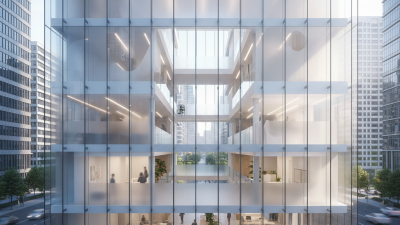
In the ever-changing world of interior design, Decorative Laminated Glass has really become a versatile go-to. It’s this cool combination of designs and practical features that makes it suitable for all kinds of spaces. Whether you’re thinking about it for a business building or your own home, it’s pretty much a hit worldwide. People are looking for stuff that not only catches the eye but also keeps them safe and lasts a long time.
Lots of companies, like AGC Glass, have really nailed their craft when it comes to making Decorative Laminated Glass. Their innovations blend beauty with durability, which is a win for any architectural project. That said, with so many options out there, it can get kinda confusing for buyers. Each product has its own unique features and price tags, which makes deciding a bit of a headache sometimes.
Honestly, it's really important to think about what you want — both in terms of looks and practicality. That gorgeous glass you fell for might not be the best choice long-term. Checking out the top ten kinds of Decorative Laminated Glass can help clear things up and guide you toward a smarter purchase. Getting a good grasp of what’s out there means you can match your style with your project’s needs without the stress.
Introduction to Decorative Laminated Glass
Decorative Laminated Glasshas become a popular choice in various industries, including architecture and interior design. Its unique layering process enhances both aesthetic appeal and safety. According to a recent market report, the global Laminated Glass market is projected to reach$27 billion by 2027, growing at a CAGR of 5.7% from 2020. This growth highlights the increasing demand for customizable glass solutions.
The versatility of decorative Laminated Glass allows for numerous applications. Designers often use it for partitions, windows, and furniture surfaces. It can be printed with intricate patterns or colored for visual impact.Decorative Custom Glass for Tables is a prime example, where the glass not only serves a practical purpose but also adds artistic value. While the aesthetic benefits are clear, it is crucial to consider factors such as UV resistance and durability, which impact performance over time.
There is still much to explore in this field. Innovations are continuously emerging, yet challenges remain. Manufacturers must address concerns about production costs and the environmental impact of glass processes. Buyers should reflect on these factors when selecting glass types. Understanding the full spectrum of decorative laminated glass options can lead to better choices and enhanced designs. As demand grows, so does the need for informed decision-making.
Key Characteristics of Laminated Glass
Laminated glass has gained popularity for its unique characteristics. It consists of two or more glass layers bonded together with an interlayer. This interlayer provides enhanced safety and sound insulation. Laminated glass is a go-to choice for architects and designers, especially in Decorative Glass applications.
One remarkable feature of laminated glass is its ability to prevent shattering. In case of breakage, the glass fragments remain attached to the interlayer. This quality enhances safety, making it ideal for areas prone to impact. Additionally, laminated glass offers UV protection. It helps in reducing fading of interiors and artworks, thus preserving their integrity.
Another key aspect is the aesthetic appeal. Laminated glass can be customized with various colors and patterns. This flexibility allows for artistic expression in buildings and interiors. However, designers need to consider the thickness and weight of laminated glass for specific applications. Sometimes, balancing beauty and practicality poses a challenge. Overall, laminated glass is a versatile material in the realm of decorative glass.
Popular Types of Decorative Laminated Glass
Decorative laminated glass has gained popularity for its versatility and aesthetic appeal. According to recent industry reports, the global market for decorative glass is projected to reach $15 billion by 2025, driven by rising demand in commercial and residential sectors. Several types of decorative laminated glass stand out in this expanding market.
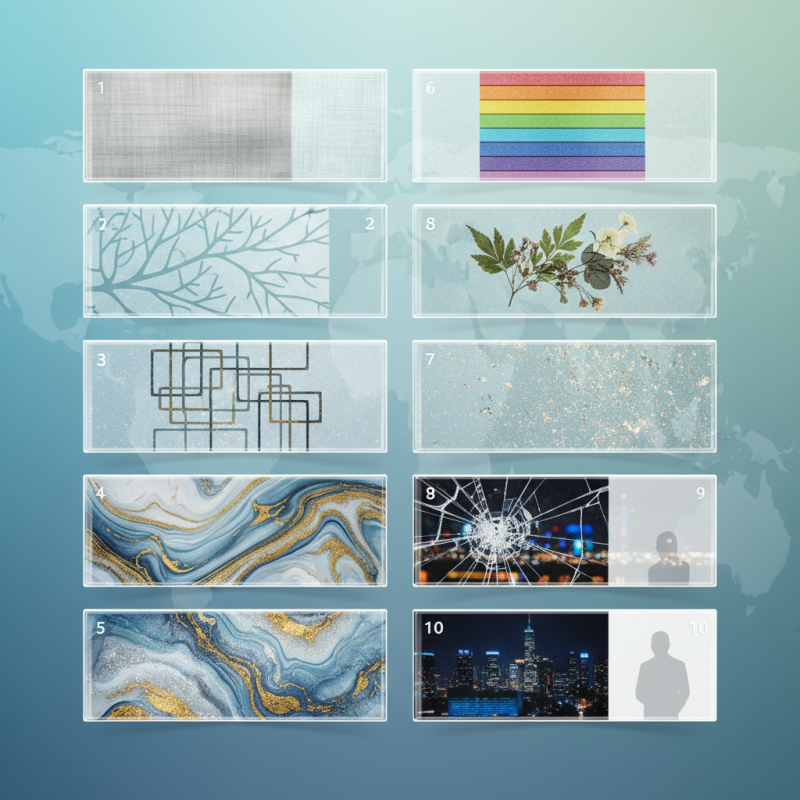
Frosted glass offers a soft, diffused light while ensuring privacy. Patterned glass can enhance visual interest with unique designs. Colored laminated glass provides vibrant hues that can complement various design themes, making spaces feel dynamic. Textured glass, with its ridges and grooves, offers both beauty and functionality, creating engaging surfaces. These varieties allow designers to play with light and texture seamlessly.
Tips: When selecting laminated glass, consider how it interacts with natural light. Different finishes can completely change the room's atmosphere. Always check local regulations regarding glass usage and safety standards. This ensures both aesthetic and functional benefits without compromising safety. Remember that not all suppliers have the same quality standards; thorough research is essential to avoid unsatisfactory materials.
Applications of Decorative Laminated Glass
Decorative laminated glass is gaining traction in various sectors due to its unique aesthetic appeal and safety features. A 2023 report from the Glass Association indicates that the global market for decorative laminated glass is growing at a CAGR of 6.2%. This growth is driven by the increasing demand for innovative design solutions in both residential and commercial spaces.
Applications range from architectural features to interior designs. In homes, decorative laminated glass offers privacy without sacrificing natural light. Many interior designers favor it for partition walls and shower enclosures. In commercial spaces, its use in storefronts and office interiors enhances brand visibility while providing safety. The versatility of decorative laminated glass makes it suitable for various climates, accommodating different architectural styles.
The healthcare sector also benefits from decorative laminated glass. Hospitals and clinics utilize it in patient rooms and waiting areas, creating a serene environment. However, not all laminated glass meets aesthetic and safety standards. Buyers should remain vigilant about quality and specifications. A focus on sustainability and energy efficiency in future products will shape industry trends, but challenges remain in meeting diverse consumer needs.
Top 10 Decorative Laminated Glass Types for Global Buyers
| Type | Thickness (mm) | Color | Application | Features |
| Transparent Laminated Glass | 6 - 12 | Clear | Windows, Facades | High clarity, UV resistance |
| Frosted Laminated Glass | 6 - 10 | Frosted White | Partition Walls, Shower Doors | Privacy, Soft light diffusion |
| Colored Laminated Glass | 6 - 10 | Various | Decorative Walls, Signage | Vivid colors, Customizable |
| Patterned Laminated Glass | 6 - 12 | Clear/Colored | Interior Design, Facades | Unique designs, Artistic effect |
| Backlit Laminated Glass | 6 - 10 | Various | Lighting, Art Displays | Illuminated effects, Contemporary look |
| Textured Laminated Glass | 6 - 12 | Clear/Colored | Balustrades, Partitions | Anti-slip, Decorative |
| Mirror Laminated Glass | 6 - 10 | Reflective | Interior, Furniture | Aesthetic appeal, Light enhancement |
| Acoustic Laminated Glass | 10 - 12 | Clear | Stadiums, Concert Halls | Sound insulation, High performance |
| Safety Laminated Glass | 6 - 12 | Clear/Colored | Skylights, Glass Pools | Shatterproof, Security |
| Solar Control Laminated Glass | 6 - 10 | Tinted | Commercial Buildings | Energy efficiency, UV protection |
Factors to Consider When Choosing Laminated Glass
When selecting laminated glass, understanding specific factors is vital. One crucial aspect is the thickness of the glass. Thicker glass generally provides better sound insulation and safety. It's also essential to consider the interlayer material. Options include PVB and EVA, each offering different benefits in terms of durability and UV resistance.
Another factor is the glass finish. Different textures can enhance the visual appeal of the glass. A frosted finish can ensure privacy, while a clear finish can brighten up a space. Additionally, colors and patterns can add a unique character. However, customization might increase costs and lead to longer lead times.
Performance characteristics should also be assessed. Consider how the glass will perform under different environmental conditions. Durability against impact and weather is critical, especially in high-traffic areas. Always evaluate the manufacturer's reliability and reviews. Not all suppliers have the same level of expertise. Researching thoroughly is necessary to avoid mistakes in your selection process.
Top 10 Decorative Laminated Glass Types
The bar chart illustrates the popularity index of the top 10 decorative laminated glass types based on market trends and consumer preferences. Each type varies in popularity, highlighting the diverse options available for global buyers.
Top Manufacturers of Decorative Laminated Glass
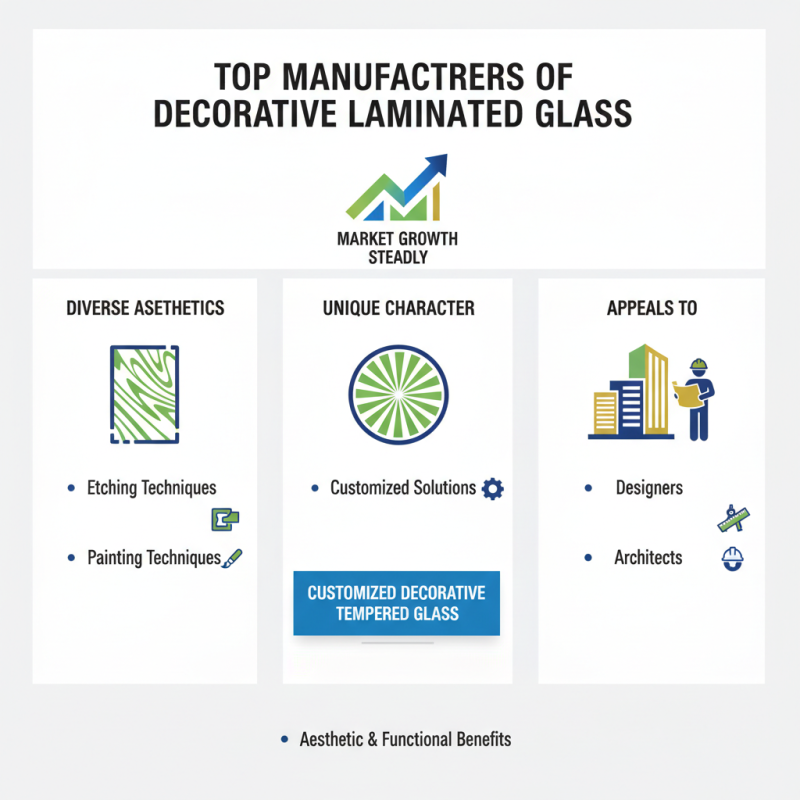
The decorative laminated glass market is growing steadily. Many manufacturers aim to meet diverse aesthetic demands. Various techniques, including etching and painting, add unique character to glass. Suppliers enhance their offerings with customized solutions. Customized Decorative Tempered Glass appeals to designers and architects for its aesthetic and functional benefits.
Leading manufacturers focus on innovation and quality. They employ advanced technology to ensure durability and safety. Many of these companies prioritize sourcing eco-friendly materials. This approach aligns with global sustainability initiatives while maintaining product integrity. However, consistency in product quality remains a challenge for some. Customers must evaluate manufacturers critically to avoid surprises.
The global market also invites emerging players. New firms introduce creative designs and competitive prices. However, their reliability may be untested. Buyers should approach these new entries with caution. Understanding a manufacturer's track record ensures better purchasing decisions. Overall, the decorative laminated glass industry continues to evolve with fresh ideas and techniques that captivate buyers worldwide.
Trends in Decorative Laminated Glass Design
Decorative laminated glass is gaining traction in various industries, driven by a desire for aesthetics combined with functionality. Reports indicate that the global decorative glass market is projected to reach $18 billion by 2027, growing at a CAGR of 5.4%. This growth reflects a shift toward customized designs that adapt to modern architectural needs.
Trends show an increasing demand for eco-friendly options. Many manufacturers are incorporating sustainably sourced materials into their products. These designs not only enhance interior spaces but also contribute to reducing the carbon footprint. Decorative laminated glass now comes with various textures, colors, and patterns, appealing to diverse consumer preferences.
Tips: Choose materials that complement your overall design theme. Assess the sustainability of your glass choices. Collaborate with a reputable Decorative Glass Supplier for unique solutions.
While the market offers exciting innovations, challenges persist. Issues like supply chain logistics and rising raw material costs can impact availability. Buyers must navigate these complexities carefully, enabling them to make informed decisions that align with their creative vision and budget constraints. Keeping abreast of market trends is essential for maximizing design potential.
FAQS
: Laminated glass consists of two or more glass layers bonded with an interlayer for safety and sound insulation.
It prevents shattering. If broken, fragments stay attached to the interlayer, reducing injury risk.
Yes, laminated glass reduces UV rays, helping to prevent fading of interiors and artworks over time.
It can be custom-made in various colors and patterns, allowing for unique design expressions in architecture.
Yes, balancing aesthetics and practicality can be difficult. Thickness and weight require careful consideration in design.
Yes, there's increasing demand for sustainable materials. Many manufacturers are now focusing on environmentally friendly options.
They should assess design themes, sustainability, and potential challenges like supply chain logistics and raw material costs.
It is essential. Understanding trends can help maximize design potential and ensure informed decisions in projects.
The market is projected to reach $18 billion by 2027, indicating growing interest in this design element.
Yes, supply chain issues and rising costs can impact availability and should be navigated carefully by buyers.
Conclusion
Decorative Laminated Glass is a versatile material that combines aesthetic appeal with safety and durability. This type of glass is known for its ability to incorporate various designs, colors, and textures between layers, making it a popular choice in architecture and interior design. Key characteristics of laminated glass include its shock resistance and UV protection, which contribute to its effectiveness in both residential and commercial settings.
The article explores several popular types of Decorative Laminated Glass, such as those featuring printed patterns or decorative films. It also highlights the various applications where this glass excels, from elegant facades to stylish interior partitions. When choosing laminated glass, factors such as thickness, intended use, and design preferences should be considered. The document concludes by discussing emerging trends in decorative designs, showcasing how innovation continues to shape the use of Decorative Laminated Glass in contemporary settings.