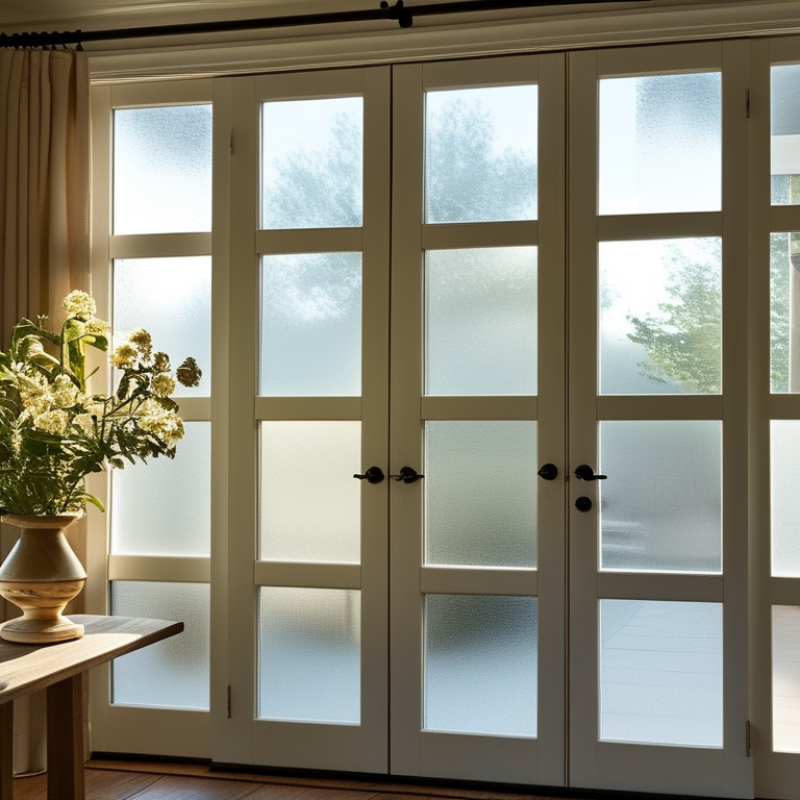
Picking the right glass panels for your French Doors really can change the vibe of a room—think about how the light streams in, how private you feel, or just how cozy it all becomes. For example, a tight hallway might do well with clear glass to keep things bright, while a sunny kitchen might benefit from low-emissivity glass to keep the heat out. Some folks are all about the view; others just want peaceful mornings and fewer fingerprints showing up. It’s all about what feels right for you.
Dr. Helen Sanders, who’s an expert in building science and Windows, always recommends thinking about things like this: “Good glazing choices strike a balance between letting in daylight, saving energy, keeping things comfortable, and lasting over time.” Honestly, that’s often more important than just how it looks. Things like the frame material, glass thickness, the house’s orientation, the climate you’re in, and even the hardware all play a role. Sometimes, it’s the little details that really make a difference.
This guide will walk you through the Top 10 Types of French Door Glass Panels—from clear and frosted to textured, laminated, and energy-efficient styles. We’ll also chat about how each one behaves near furniture, curtains, patios, or busy walkways. For summer breezes, French doors with screens can be a game-changer, but make sure to pay attention to the quality and how well they sit in their frames. Sliding screen doors can save space, but beware—they tend to collect dust in their tracks pretty fast. Glass French doors offer a sense of openness and style, but they can also show off clutter more easily. If you’re thinking about patio doors, designs that connect indoors and outdoors beautifully can really enhance your space, though sliding glass systems might need stronger framing and careful setup.
Here’s the honest truth: no single panel is perfect for every home. Even a beautiful choice can sometimes feel too bright, too private, or just plain tricky to clean. By weighing the pros and cons, you’ll be better equipped to pick panels that suit your needs—making your decision easier, and hopefully, avoiding those costly regrets later on.
Defining the 10 Types: Glass Composition, Surface Treatment, and Use
French Door Glass Panelsvary by composition, surface treatment, and practical use. Clear annealed glass offers a bright, economical view, but it breaks into sharp shards. Tempered glass is heat-treated for stronger impact resistance and safer fragmentation. Laminated Glass combines two panes with an interlayer, helping retain fragments after breakage. It also reduces outside noise. Double insulating glass uses an air or gas space between panes, while triple insulating glass adds another barrier for colder climates.
Low-emissivity glass carries a thin coating that limits radiant heat transfer. The U.S. Department of Energy reports that windows can represent 25–30% of residential heating and cooling energy use. That figure makes coating selection important. Tinted glass reduces glare and solar heat, although dark tones can weaken indoor daylight. Frosted or etched glass improves privacy through a deliberately roughened surface. Patterned or Obscure Glass distorts views with molded textures. Decorative beveled glass adds angled edges and visual depth. The tenth option, wired glass, has embedded metal strands, but it is not automatically suitable for every modern door application.
Tips: Match the panel to the room. Use clear or Low-E glass near living spaces, and frosted or patterned glass beside bathrooms. Ask for certified safety glazing and verify the whole door assembly, not only the pane. The National Fenestration Rating Council explains that U-factor and solar heat gain coefficient should guide comparisons. Still, ratings do not predict every home. A shaded doorway may perform differently from a sun-exposed entrance. That detail is easy to miss.
Clear and Low-E Panels: NFRC U-Factor, SHGC, and 70–90% VT
Top 10 Types of French Door Glass Panels
Clear glass remains a popular choice for French Doors because it delivers bright rooms and unobstructed views. Its visible transmittance, or VT, often reaches 70–90%. However, high VT can also increase glare and solar heat near sunny openings. ATempered Glass French Door adds impact resistance and breaks into smaller, less dangerous pieces when damaged.
Low-E glass uses a thin coating to reduce heat transfer without making the panel look heavily tinted. Check the NFRC label for U-factor, SHGC, and VT values. A lower U-factor usually means better insulation. SHGC shows how much solar heat enters through the glass. Lower SHGC can help on exposed western elevations, while higher SHGC may support passive winter warmth in colder regions. The right value depends on orientation, climate, frame material, and shading.
Numbers need context. A panel with an excellent U-factor may still feel uncomfortable beside an unshaded door. Installation quality matters too. Gaps, poor weatherstripping, and an incorrectly sized frame can weaken real-world performance. Clear, tinted, laminated, frosted, decorative, textured, and grille-style panels offer different privacy and daylight effects. Low-E options can look slightly different from room to room. That detail is easy to overlook. Ask for the complete NFRC data before choosing appearance over measurable performance.
Frosted, Obscured, and Textured Panels: Privacy Grades and VT
French door glass panels balance privacy with daylight, so visible transmittance (VT) matters. VT measures how much visible light passes through glass, from 0 to 1. The National Fenestration Rating Council uses this scale in its rating documentation. Clear panels often reach about 0.70–0.90 VT, while heavily tinted or deeply textured glass may fall below 0.40, according to values recorded in the International Glazing Database.
Frosted and acid-etched panels scatter light, hiding facial details while keeping a soft glow. Obscured options, including rain, reed, fluted, hammered, seeded, ripple, and patterned glass, create different privacy grades. However, privacy grades are not globally standardized. A “high privacy” label may still reveal movement at night when interior lights are on. DOE daylighting guidance also notes that glazing performance depends on orientation, room depth, and shading, not VT alone. A north-facing door may need more transparency. A bathroom entry needs less.
Tips: Request a full-size sample. View it from three meters away, then test it at night with lights behind the panel. Compare VT, privacy appearance, and safety-glazing compliance together. I once preferred a heavily rippled panel, but its shadows felt distracting in a narrow hallway. The attractive choice was not the most comfortable one.
Top 10 Types of French Door Glass Panels - Frosted, Obscured, and Textured Panels: Privacy Grades and VT
VT means visible transmittance, the approximate percentage of visible light passing through the glass. Actual performance varies by glass thickness, coating, pattern depth, and insulating-glass construction.
| Rank | Glass Panel Type | Appearance & Surface | Privacy Grade | Typical VT | Light & Privacy Performance | Best Use in French Doors |
| 1 | Clear Glass | Smooth, transparent surface with no pattern | 1 / 5 | 80–90% | Maximum daylight and clear views, but provides almost no daytime or nighttime privacy. | Living rooms, gardens, patios, and rooms where visibility is preferred. |
| 2 | Low-Iron Clear Glass | Extra-clear, low-color glass with a smooth surface | 1 / 5 | 88–92% | Very high daylight transmission and exceptionally clear color rendition; privacy is minimal. | Contemporary interiors, bright entrances, and views where color clarity matters. |
| 3 | Acid-Etched Frosted Glass | Uniform matte finish created by chemically etching one surface | 4 / 5 | 65–80% | Diffuses outlines and reduces direct views while maintaining strong, soft daylight. | Bathrooms, home offices, entry areas, and urban-facing French doors. |
| 4 | Sandblasted Frosted Glass | Fine, matte texture produced by abrasive treatment | 4 / 5 | 60–75% | Provides strong visual privacy and evenly scattered light; the finish can show fingerprints. | High-privacy entry doors, sidelights, and minimalist interior partitions. |
| 5 | Obscure Patterned Glass | Rolled or cast surface with a repeating non-transparent pattern | 3–5 / 5 | 45–80% | Privacy depends on pattern depth; many designs obscure faces while admitting useful daylight. | Traditional and transitional doors, bathrooms, hallways, and street-facing entries. |
| 6 | Rain Glass | Vertical streaks resembling water trails, usually on one side | 3 / 5 | 60–75% | Breaks up shapes and movement while allowing more light than heavily frosted glass. | Farmhouse, coastal, and transitional French doors requiring moderate privacy. |
| 7 | Reeded Glass | Parallel raised or recessed vertical lines with a ribbed appearance | 3–4 / 5 | 55–75% | Creates directional distortion that hides detail while preserving a bright, decorative look. | Modern, mid-century, and Scandinavian-style interiors. |
| 8 | Fluted Glass | Pronounced, evenly spaced vertical channels or ridges | 3–4 / 5 | 50–70% | Strongly distorts outlines and adds depth, but does not usually provide complete silhouette privacy. | Statement entry doors, room dividers, and contemporary interiors. |
| 9 | Seeded Glass | Small air bubbles distributed throughout the glass for a handmade effect | 2–3 / 5 | 65–80% | Adds visual distortion and moderate privacy, while retaining comparatively high daylight levels. | Cottage, vintage, rustic, and craftsman-style French doors. |
| 10 | Hammered Glass | Irregular, dimpled texture that resembles hand-hammered metal | 4 / 5 | 45–65% | Substantially distorts images and movement, producing strong privacy with decorative light scatter. | Vintage-inspired entries, bathrooms, laundry rooms, and privacy-focused interiors. |
Privacy Grade: 1 = transparent; 2 = slight distortion; 3 = moderate obscurity; 4 = strong obscurity; 5 = very high visual privacy.
Etched, Beveled, and Stained Panels: Pattern, Color, and Light Control
Top 10 Types of French Door Glass Panels
French door glass panels shape both privacy and daylight. Etched glass creates soft, permanent patterns, such as vines, waves, or geometric lines. It diffuses sunlight without making a room feel closed. Beveled glass uses angled edges to catch daylight and produce small rainbow flashes. The effect changes throughout the day. Clear beveled pieces can feel elegant, but they offer limited privacy.
Stained glass adds stronger color control. Amber, blue, green, and ruby sections can warm a hallway or frame a darker entry. A skilled designer balances color with the room’s existing flooring and wall paint. Too many intense colors may compete with furniture. I have seen beautiful samples look heavy after installation. Smaller colored sections often work better on narrow doors.
Patterned privacy glass includes rain, reeded, frosted, floral, and obscure textures. Each surface hides different amounts of detail, so viewing samples from both sides matters. For many projects, 3mm and 4mmTempered glass For French Doors and Windows provides a practical safety choice. Tempered glass handles everyday impact better than ordinary glass, though it is not unbreakable. Hardware, frame movement, and accurate measurements also affect performance. A subtle reeded panel may control sightlines while preserving useful light. Frosted glass offers more privacy, but fingerprints can become visible near handles. The best selection depends on orientation, room use, and how much changing daylight feels comfortable.
Tempered and Laminated Panels: ANSI Z97.1 and CPSC 16 CFR 1201
French door glass panels must balance daylight, visibility, and impact safety. Tempered and laminated glass are the most common options for these openings. Tempered glass is heat-treated and breaks into smaller, less sharp fragments. Laminated glass uses an interlayer that helps hold broken pieces together.
ANSI Z97.1 and CPSC 16 CFR 1201 provide measurable safety benchmarks. Under the CPSC standard, Category I and Category II glazing face different impact requirements. Category II testing applies to larger panels and uses a substantially higher impact level. ANSI Z97.1 also classifies safety glazing by impact performance. These figures matter when a French door includes wide lites, sidelites, or low-mounted panels.
Field inspection often reveals a simple mistake: selecting glass by appearance alone. A panel may look strong but lack the correct permanent safety marking. Tempered glass can offer excellent everyday impact resistance, yet it cannot be cut after treatment. Laminated glass usually provides better post-breakage retention, though its edges need careful protection from moisture. The National Glass Association’s technical guidance also stresses correct edge support, setting blocks, and compatible framing systems. Installation details are not minor.
Check the glass label, thickness, size, and test classification before ordering. Confirm the local building code as well. Standards do not remove every risk. They only define tested performance.
Selecting a Panel: IGU Ratings, Climate Zones, Door Size, and Code
Top 10 Types of French Door Glass Panels
Choosing French door glass involves more than appearance. The panel must match your climate, door size, energy goals, and local building code. Tempered Glass For French Doors is a practical choice for many homes because it breaks into smaller, less dangerous pieces. However, safety glazing rules may depend on panel location, height, and nearby walking areas. Confirm the requirements with your local building department.
For insulated glass units, compare the U-factor and solar heat gain coefficient. A lower U-factor usually reduces winter heat transfer. A lower SHGC can limit strong summer sun. Climate matters. Cold regions often benefit from stronger insulation, while hot, bright regions may need better solar control. Low-emissivity coatings can help, but glass performance depends on the entire door system.
Measure carefully. Tall or wide panels may need thicker glass, stronger framing, or divided sections. A large clear panel can feel elegant, yet it may increase heat gain and cleaning time. I have seen homeowners choose glass by appearance alone, then notice afternoon glare across the floor. That mistake is easy to make. Check the IGU rating, spacer quality, and visible light transmission together. Consider laminated glass where sound reduction or extra impact resistance matters. It costs more, and it is not always necessary. Still, the cheapest panel may perform poorly after installation. Door swing, frame alignment, drainage, and professional fitting also affect long-term results.
How to use this chart: Lower center-of-glass U-factor means better insulation. Double-pane low-E units with argon typically provide a practical balance of energy performance, cost, and door weight, while triple-pane low-E units offer the strongest insulation for colder climates. Actual whole-door performance also depends on the frame, spacer, edge construction, air leakage, and solar heat gain coefficient (SHGC).
Climate-zone targets should be checked against the applicable energy code. Tempered or laminated safety glazing may be required in hazardous locations, near doors, or where local building codes specify it. Larger French door panels generally increase glass weight and may require reinforced hardware, stronger hinges, and careful deflection control.
China Factory Guide to Tempered Glass Shower Doors: Choosing 8mm, 10mm, or 12mm Thickness
Choosing the right tempered glass shower door thickness is an important step in creating a safe, attractive, and durable bathroom. China factories commonly offer 8mm, 10mm, and 12mm options to suit different installation requirements. An 8mm door is lightweight and practical for standard framed systems, making it a cost-effective choice for many residential bathrooms. A 10mm door provides a stronger, more substantial feel and is well suited to semi-frameless or modern enclosure designs. For a premium appearance and excellent rigidity, 12mm tempered glass is often selected for larger panels, spacious bathrooms, or minimalist frameless installations. The final choice should consider panel size, hardware, mounting method, and overall enclosure structure.
Beyond thickness, glass style can shape the atmosphere of the bathroom. Clear tempered glass creates an open, spacious appearance, while low iron ultra-white glass offers brighter transparency and a cleaner visual tone. Sandblasted, acid-etched, and silk screen glass provide privacy with distinctive surface patterns. Bronze and grey tempered glass add warmth or contemporary character, while pinhead and rain glass create textured effects that soften visibility. Working with an experienced China shower door factory allows buyers to match glass thickness, finish, hardware, and customized dimensions for a coordinated solution. Every panel can be processed for shower door applications with attention to smooth edges, accurate sizing, and dependable installation compatibility.
FAQS
Etched glass creates permanent vines, waves, or geometric patterns. It softens sunlight without making the room feel closed. It feels gentle.
Angled edges catch sunlight and create small rainbow flashes. The colors shift as the day changes. Clear beveled glass offers limited privacy.
Smaller colored sections often work better on narrow doors. Amber, blue, green, or ruby pieces can warm a dark entry. Too much color feels heavy.
Reeded, rain, frosted, floral, and obscure textures hide different amounts of detail. View samples from both sides before choosing. Samples can mislead.
Tempered glass handles everyday impact better than ordinary glass. When broken, it forms smaller, less sharp fragments. It is not unbreakable.
Laminated glass uses an interlayer that helps hold broken pieces together. It can improve sound reduction and post-breakage retention. It usually costs more.
Check the glass label, thickness, size, and tested safety classification. Confirm local building requirements for wide, low, or nearby panels. Installation details matter.
Compare the U-factor, solar heat gain coefficient, and visible light transmission. Lower U-factor can reduce winter heat transfer. Lower SHGC can limit summer glare.
Tall or wide panels may need thicker glass, stronger framing, or divided sections. Check spacer quality and the complete door system. Measure twice.
No. A beautiful sample may feel too dark after installation. Afternoon glare, fingerprints, cleaning time, and frame alignment can change the result. That judgment can be wrong.
Conclusion
French Door Glass Panels come in a wide range of compositions and finishes, each balancing daylight, privacy, energy performance, and visual style. Clear and low-E panels maximize brightness while supporting better thermal control, with NFRC U-factor, SHGC, and visible transmittance (VT) ratings helping homeowners compare insulation, solar heat gain, and light transmission. Frosted, obscured, and textured options provide varying levels of privacy, while etched, beveled, and stained designs add decorative character through patterns, color, and controlled light diffusion.
Safety and performance are equally important when selecting a panel. Tempered and laminated glass are designed for improved impact resistance and should align with applicable ANSI Z97.1 and CPSC 16 CFR 1201 requirements. Buyers should also review insulated glass unit (IGU) ratings, climate-zone needs, door dimensions, and local building codes. Choosing the right French Door Glass Panels means combining appearance, privacy, durability, energy efficiency, and proper sizing for a reliable long-term installation.