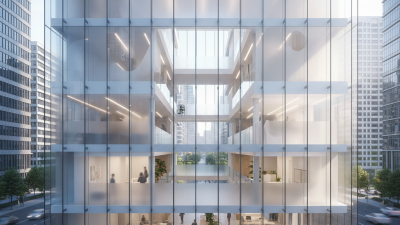
Have you noticed how more and more modern buildings are using Tinted Tempered Glass these days? It’s kind of becoming a go-to option, and honestly, there are quite a few good reasons for that. According to the Glass Association of North America, tempered glass is actually heat-treated to be stronger and safer—so it’s no surprise that it’s popular in construction. Plus, adding a tint isn’t just about looks; it helps cut down on glare and blocks out those harsh UV rays. That means your space stays more comfortable, and your furniture doesn’t fade as quickly. The International Window Film Association even found that tinted glass can reject up to 99% of UV rays while still letting you enjoy a clear view—making it a smart move for saving energy, too.
And it’s not just about looks—in fact, Tinted Tempered Glass can really make a difference when it comes to saving energy. The Department of Energy reports that when installation is done right, this kind of glass can cut cooling costs pretty significantly during hot months by limiting the amount of solar heat that gets inside, all while still letting in good natural light. It’s a huge part of the shift toward greener, more sustainable buildings. Experts are saying that with these advanced glazing options, like Tinted Tempered Glass, buildings are more likely to hit those ambitious sustainability targets set for 2030. As designers and architects see the benefits, you can expect to see even more of it in homes and offices alike—creating safer, more energy-efficient spaces that people actually want to be in.
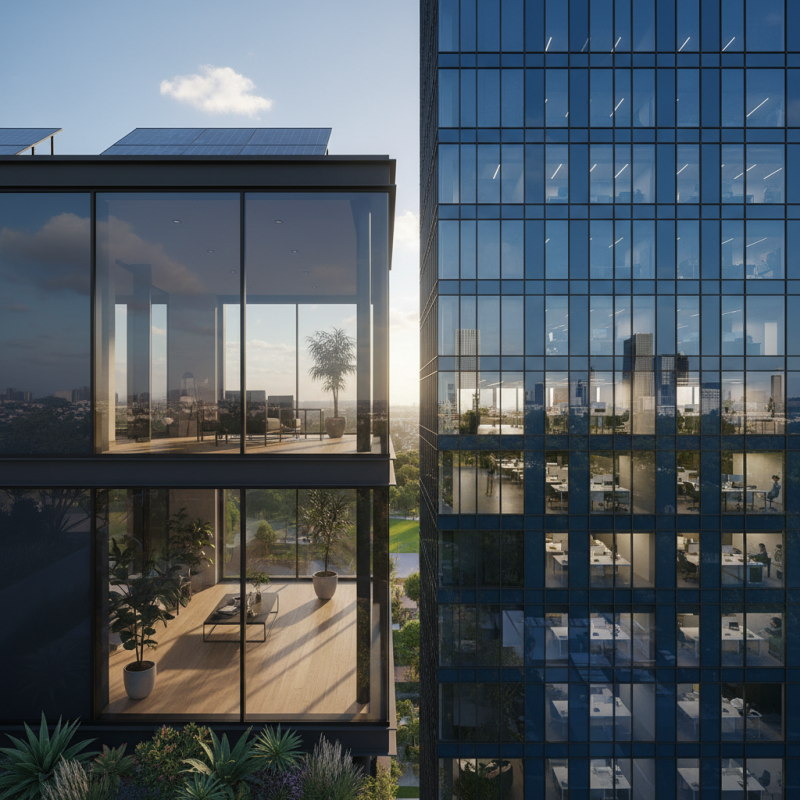
Advantages of Tinted Tempered Glass in Residential Settings
Tinted Tempered Glass is rapidly gaining popularity in residential settings due to its multitude of advantages. One of the primary benefits is the increased energy efficiency it offers. According to the U.S. Department of Energy, windows account for about 25-30% of residential heating and cooling energy use. Tinted Tempered Glass can reduce solar heat gain significantly, sometimes by as much as 45%, thereby lowering reliance on air conditioning systems and promoting a more comfortable indoor environment. This reduction in energy consumption not only significantly decreases utility bills but also contributes to a more sustainable living space.
Another notable advantage of Tinted Tempered Glass is its ability to provide enhanced privacy without sacrificing natural light. In many residential applications, homeowners seek solutions that prevent outside view without making spaces feel claustrophobic. By utilizing tinted glass, it allows ample sunlight to enter while obscuring the view from the outside, a feature particularly valued in urban environments. Moreover, studies by the Glass Association of North America indicate that tinted glass can reduce glare by over 50%, making spaces more enjoyable for activities such as watching television or using computer screens. This dual functionality of maintaining privacy while promoting comfort positions Tinted Tempered Glass as an ideal choice for modern residences.
Enhanced Privacy Features of Tinted Tempered Glass
Tinted Tempered Glassis an excellent choice for enhancing privacy in both home and office environments. One of the primary benefits of this material is its ability to significantly reduce visibility from the outside without compromising natural light. This is particularly valuable in urban settings, where buildings are often situated close to one another. By using Tinted Tempered Glass, individuals can foster a sense of security and seclusion, making it easier to conduct personal activities or business discussions without the worry of being observed.
Furthermore, the privacy features offered by Tinted Tempered Glass extend beyond mere visual barriers. This glass provides a level of glare reduction, which not only enhances comfort but also minimizes distractions in workspaces. The strategic application of this material around conference rooms, office partitions, or even residential windows allows for a more focused environment while still promoting a bright and airy feel. Consequently, Tinted Tempered Glass serves as an indispensable solution for those seeking to balance openness with the need for discretion in their living or working spaces.
Energy Efficiency Benefits of Tinted Tempered Glass
Tinted Tempered Glass has gained significant attention in both residential and commercial spaces, primarily for its energy efficiency benefits. Studies show that tinted glass can reduce solar heat gain by up to 60%, allowing buildings to maintain cooler temperatures during hot seasons. According to the U.S. Department of Energy, effective reduction in heat gain leads to lower air conditioning demands, which can result in energy savings of up to 30% on cooling costs. This can be particularly advantageous for large offices and homes situated in warmer climates where prolonged exposure to sunlight can increase energy expenses.
Moreover, the use of tinted tempered glass plays a crucial role in enhancing indoor comfort while simultaneously reducing glare. The glass can be treated to reflect certain wavelengths of light, thus mitigating excessive brightness that can distract or discomfort occupants. Research indicates that reducing glare can enhance productivity in office environments by improving visual comfort for employees. Beyond comfort, energy-efficient design elements like tinted tempered glass contribute to sustainability goals, as they align with LEED certification requirements and can lower a building’s overall carbon footprint. With a growing emphasis on sustainable building practices, incorporating tinted tempered glass is a strategic move toward enhanced energy performance and occupant satisfaction.
Protection from UV Rays: Tinted Tempered Glass Solutions
Tinted tempered glass has emerged as an essential solution for modern homes and offices, particularly for its ability to provide effective protection against harmful UV rays. According to the U.S. Department of Energy, windows can account for up to 30% of a building's energy use, significantly impacting indoor temperature and comfort levels. Tinted tempered glass can block up to 99% of harmful UV radiation, making it an ideal choice for both residential and commercial environments. This not only helps in protecting furnishings, flooring, and artwork from fading but also reduces the risk of skin damage and other health issues associated with prolonged UV exposure.
In addition to its protective qualities, tinted tempered glass contributes to energy efficiency in buildings. A study by the National Renewable Energy Laboratory highlighted that implementing high-performance windows, including tinted variants, can lead to energy savings of up to 15%. This is especially relevant in regions with high temperatures, where the reduction in heat gain can lead to lower air conditioning costs and improved comfort levels. By incorporating tinted tempered glass into building designs, owners and occupants can enjoy a more sustainable and health-conscious environment, while also enhancing aesthetic appeal with various tint options available to suit different styles and preferences.
Aesthetic Appeal: Design Variations with Tinted Tempered Glass
Tinted tempered glass not only enhances the aesthetic appeal of spaces but also offers a wide range of design variations that can elevate both residential and commercial environments. Its unique coloration allows for a myriad of styles, from sleek modern looks to more traditional themes. Homeowners and designers can choose from a variety of tint shades, such as bronze, gray, or green, allowing for customization that complements existing decor and architecture. This flexibility makes tinted tempered glass a favored material for windows, doors, and partitions, seamlessly blending functionality with visual attractiveness.
Moreover, the design possibilities extend beyond mere color. Tinted tempered glass can be combined with different textures and finishes to create striking visual effects. Etched patterns or frosted designs can add a layer of sophistication, while clear edges juxtaposed with tinted surfaces create a contemporary feel. Whether used in large storefront windows or as internal dividers in an office, tinted tempered glass allows for creativity in design, ensuring spaces feel inviting and stylish. Its reflective quality not only enhances privacy but also contributes to a unique ambiance, making it a premier choice for those looking to make a statement with their interiors.
Safety and Durability of Tinted Tempered Glass in Offices
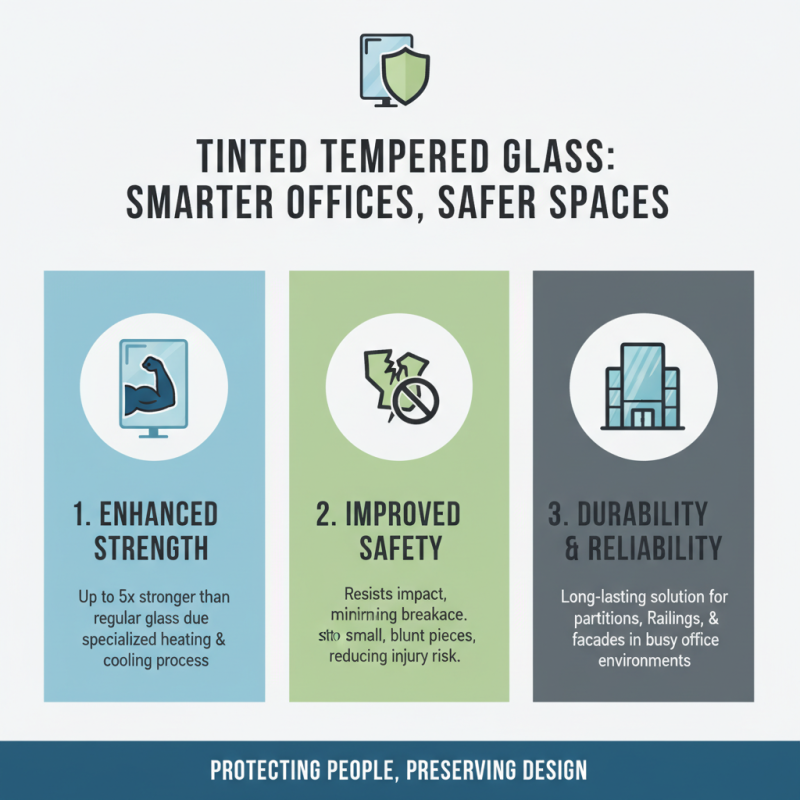
Tinted tempered glass is increasingly recognized for its vital role in enhancing safety and durability, particularly in office environments. One of the primary advantages of tempered glass is its remarkable strength. Unlike regular glass, tempered glass undergoes a specific heating and cooling process that makes it significantly more resistant to impact. This resilience not only reduces the likelihood of breakage but also minimizes the risks associated with shattered glass, creating a safer workspace for employees and visitors alike.
In addition to its robust physical properties, tinted tempered glass offers the benefit of UV protection and glare reduction. By incorporating tint into its design, this type of glass can filter harmful UV rays, protecting both the interior furnishings and the health of the individuals occupying the space. Glare reduction is another considerable advantage, as it enhances visibility and comfort in office settings, ultimately leading to increased productivity. The combination of safety and functional benefits positions tinted tempered glass as an ideal choice for modern office applications, fostering environments that prioritize both well-being and aesthetic appeal.
Applications and Versatility of Tinted Tempered Glass in Interiors
Tinted tempered glass has become increasingly popular in both residential and commercial spaces due to its unique combination of aesthetics and functionality. One of the primary applications of tinted tempered glass is in windows and door installations, where it enhances privacy while still allowing natural light to filter through. This feature makes it ideal for offices where an open feel is desired without compromising the confidentiality of conversations or work being done within. Additionally, using tinted glass helps in reducing glare, creating a more comfortable working environment, especially in areas with significant sunlight exposure.
In interior design, tinted tempered glass serves various purposes beyond traditional windows. It can be employed in decorative partitions, shower enclosures, and even furniture elements such as tabletops or shelving. The versatility of tinted glass allows designers to create visually striking features while enhancing the overall ambiance of a space. Furthermore, its durability ensures that these design elements maintain their appeal over time, resisting scratches and maintaining clarity.
As energy efficiency continues to be a priority, tinted tempered glass also improves thermal performance, making it a smart choice for eco-conscious consumers looking to reduce their energy consumption.
FAQS
: Tinted tempered glass is a type of glass that has been treated to improve its strength and resist thermal stress, while also having a tint that reduces solar heat gain. It is gaining popularity due to its energy efficiency, privacy enhancements, and aesthetic appeal.
Tinted tempered glass can significantly reduce solar heat gain, sometimes by as much as 45%, helping to lower reliance on air conditioning systems, reduce energy consumption, and decrease utility bills.
Yes, tinted tempered glass allows ample sunlight to penetrate indoor spaces while obscuring the view from outside, which is particularly beneficial for maintaining privacy in urban environments.
Tinted tempered glass can reduce glare by over 50%, making indoor environments more comfortable for activities like watching television or using computers.
Tinted tempered glass comes in various tint shades, such as bronze, gray, or green, allowing for customization that complements home decor. It can also be combined with different textures and finishes for sophisticated visual effects.
Tinted tempered glass can create striking visual effects with its unique coloration and design possibilities, making spaces feel inviting and stylish, and ensuring it blends well with both modern and traditional themes.
Tinted tempered glass is versatile and can be used in windows, doors, and partitions, providing both functionality and visual attractiveness in various residential settings.
The reduction in energy consumption associated with tinted tempered glass contributes to a more sustainable living environment by lowering utility bills and promoting energy efficiency.
Due to its reflective quality and design flexibility, tinted tempered glass can enhance the ambiance of a space, creating a unique and stylish atmosphere while maintaining privacy.
Conclusion
Tinted Tempered Glass offers a myriad of benefits for both residential and office environments. Its enhanced privacy features make it an ideal choice for homeowners seeking a more secluded space without sacrificing natural light. Additionally, the energy efficiency of tinted glass helps in reducing heating and cooling costs, while simultaneously providing protection from harmful UV rays.
Moreover, with a variety of design options available, Tinted Tempered Glass adds aesthetic appeal to any interior, creating a modern and sophisticated atmosphere. Safety and durability are also key considerations, as this glass type is engineered to withstand impacts, making it a reliable choice for commercial applications. Overall, the versatility of Tinted Tempered Glass ensures it meets various needs, enhancing both style and functionality in various settings.