Tempered Glass Printing is really shaking up the glass industry these days. It’s an innovative way to add detailed images and designs right onto glass surfaces, resulting in some pretty eye-catching effects. Experts like John Smith over at ClearView Innovations are pretty excited about it and often say, ‘Tempered Glass Printing opens up endless possibilities for customization.’ Honestly, it’s exciting to see how blending creativity into glass decoration can lead to some truly unique products. You’ll find this tech popping up in all sorts of places, from architecture to art installations. But, gotta be honest, it’s not all smooth sailing — keeping everything consistent and top quality during production can be tricky, no doubt. A lot of companies find it tough balancing the creative side with practical aspects in Glass Printing. The process needs a steady hand and careful attention to detail. When it’s done right, though, the results are absolutely stunning—printed glass that really makes a statement. Looking ahead, the future of Tempered Glass Printing is promising, but it’s clear that staying on top of the latest techniques and learning as you go is a must for success.

Understanding Tempered Glass: Characteristics and Benefits
Tempered glass stands out due to its unique characteristics. It undergoes a special heating and cooling process, making it much stronger than regular glass. This resilience allows it to withstand high impacts and extreme temperatures. In fact, tempered glass can endure nearly five times the force of standard glass. Its ability to break into small, blunt pieces enhances safety, reducing injury risk.
The benefits of tempered glass are vast. It is often used in environments that require high durability, such as shower Doors and building facades. However, one might overlook its limitations. While it’s heat-resistant, prolonged exposure to intense temperatures can still lead to breakage. And though it’s strong, it can chip or scratch under the right conditions. These imperfections remind us that no material is perfect, even if tempered glass seems close. Understanding these features helps in selecting the right materials for various applications.
Introduction to Tempered Glass Printing: Definition and Applications
Tempered Glass Printing is a fascinating technique gaining popularity in various industries. It involves applying designs or images directly onto tempered glass surfaces. This process enables vibrant colors and intricate details. Applications are found in architecture, interior design, and art. The ability to customize glass panels offers unique design flexibility.
The process begins with a thorough cleaning of the glass surface to ensure that there are no contaminants that could affect the adhesion of the ink. Next, specialized inks are printed using screens onto the glass. The glass is then tempered in a furnace. This heat treatment increases strength and durability. It's essential to reflect on the need for precision during printing, as even minor errors can lead to significant flaws in the final product. While the technology is advanced, achieving perfect results is still a challenge.
In manufacturing, choosing the right tempered Silk Screen Printing Glass manufacturer is crucial. Their expertise can greatly influence the quality of the printed glass. Some manufacturers may not meet industry standards, leading tounsatisfactory results. It's worth researching and considering different options to find a reliable partner. With the right collaboration, Tempered Glass Printing canelevate both aesthetics and functionality in various settings.
The Printing Process: Techniques Used in Tempered Glass Printing
Tempered Glass Printing involves unique techniques tailored for decorating and enhancing glass surfaces. The printing process begins with surface preparation. Cleanliness is crucial. Grime or dust can ruin the design. Use a lint-free cloth to wipe the glass before starting.
Various printing techniques are employed in this process. Digital printing is popular for detailed designs. Yet, screen printing offers durability for bold, vibrant colors. Choosing the right technique affects the final output. Experimenting can lead to unexpected results. Sometimes, the designs may not turn out as envisioned, highlighting the need for adjustments.
Tip: Always test your design on a scrap piece first. This practice prevents waste and disappointment. Another tip is to control the temperature during curing. Too high or too low can lead to cracking or fading.
Reflection is essential in this field. Not every print will be perfect. Learning from imperfections enhances skills. Over time, the process of Tempered Glass Printing becomes more intuitive, allowing for creative freedom.
Materials Used in Tempered Glass Printing: Inks and Substrates
Tempered glass printing combines durability with stunning designs. The process heavily relies on the choice of materials, primarily inks and substrates. Quality inks are essential. They must withstand high temperatures during the tempering process. Additionally, the inks need to adhere well to the glass surface. Common ink choices include ceramic and UV inks, both known for their longevity.
Substrates play a critical role too. Tempered glass is a unique surface. It requires special treatment to ensure proper adhesion of the inks. Flat surfaces are often preferred for consistent results. There’s a challenge here; slight imperfections can lead to defects in the final product. A thorough understanding of the printing parameters is crucial.
Often, manufacturers, like those using LYD glass Silkscreen Printing Glass China Manufacturer techniques, face hurdles. These hurdles can lead to unforeseen issues, making it vital to adapt and refine processes frequently. The balance between quality and efficiency is always a work in progress.
Effects of Heat on Tempered Glass: How it Affects Print Quality
The process of tempered glass printing involves applying designs onto glass surfaces. Heat plays a crucial role in this process, impacting print quality dramatically. When heated, the glass undergoes a tempering process that strengthens it. However, this heat can also affect the inks used in printing.
High temperatures during the tempering process can alter ink adhesion. This might lead to uneven colors or faded prints. Each type of ink reacts differently to heat. For instance, inks used in Silk Screen Printing Glass may end up being less vibrant if not formulated for heat resistance. It's essential to test various inks under actual conditions to achieve desired results.
Another consideration is the cooling phase. Rapid cooling can cause stress lines in the glass. These lines can distort images, making them less appealing. Careful monitoring during all stages is necessary to maintain quality. Sometimes, adjustments in the printing process are required based on how the glass reacts to heat. Balancing strength and aesthetics in tempered glass printing can be challenging but rewarding.
Common Applications of Tempered Glass Printing in Industry
Tempered glass printing sees growing use in various industries. According to a recent market report, the global tempered glass market is projected to reach $79 billion by 2028. This surge highlights the increasing demand for durable and visually appealing materials. Industries such as architecture, automotive, and electronics utilize tempered glass for its strength and aesthetic quality.
In architecture, printed tempered glass serves decorative and functional purposes. It can reflect light differently, enhancing energy efficiency in buildings. Interior designers also favor bespoke designs for splashbacks and partitions. In automotive applications, printed glass enhances vehicle safety, but also allows for intricate designs that attract consumers.
However, challenges exist. Achieving a perfect print on irregular glass surfaces can be tricky. Common issues include misalignment and color inconsistencies. These factors can lead to waste and increased production costs. Industry professionals constantly seek solutions to improve these printing methods for better outcomes.
Maintenance and Care of Printed Tempered Glass Products
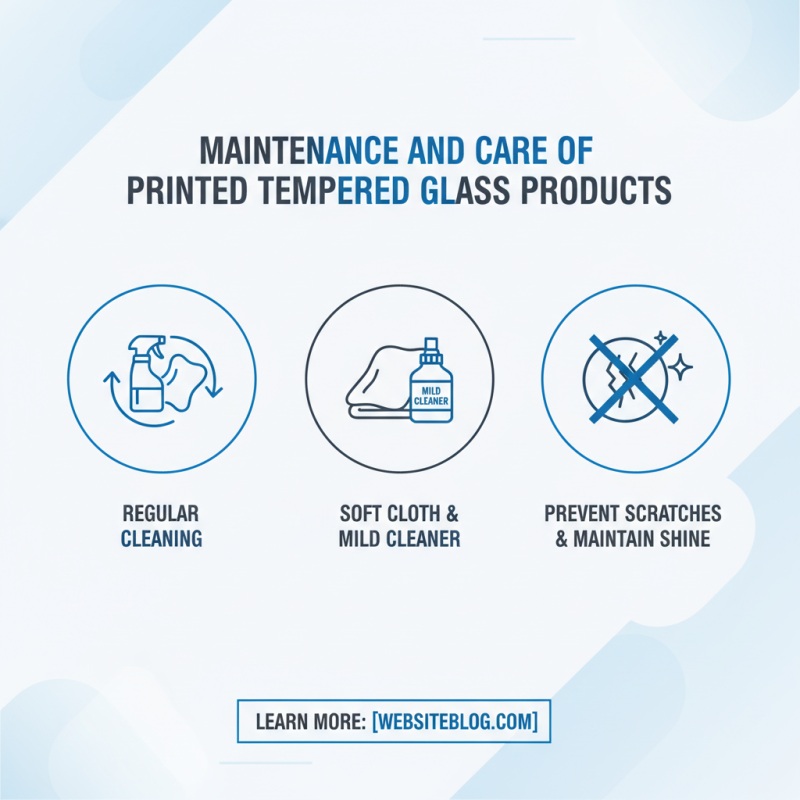
Tempered glass printing offers a modern way to enhance both aesthetics and functionality in various products. However, once printed, these items require specific maintenance to keep them looking their best. Cleaning should be done regularly. Use a soft, lint-free cloth and a mild glass cleaner. This helps prevent scratches and keeps the surface shine intact.
Be cautious with harsh chemicals. They can damage the print. If your tempered glass shows signs of wear, consider gentle polishing techniques. For heavier stains, dampen the cloth slightly but never saturate the glass. Too much moisture can lead to issues.
Here are some tips: Avoid abrasive materials while cleaning. They can scratch the surface. Store printed glass products in protective cases when not in use. This reduces exposure to elements that could mar the print. Be mindful of sharp objects near the glass. Keeping items away prevents accidental damage. Regular care preserves both the printed designs and the glass itself, proving that awareness and attention can go a long way.
Leveraging Customizable and Attractive Printing Glass: Insights from the Global Glass Market Report 2023
The global glass market is experiencing a dynamic shift towards customizable and attractive printing glass solutions. This trend is exemplified by the growing use of painted glass, where vibrant liquid pigments are applied to create visually stunning decorative panels and art pieces. These innovative techniques allow for various finishing options, including air-drying, baking for enhanced durability, and even vitrification, which ensures permanent adhesion of the paint to the glass. Such versatility transforms ordinary glass into an essential element for both aesthetic and functional applications.
Customers benefit from a comprehensive range of options in size, color, and shape, with the ability to choose from popular color standards like RAL and Pantone, or even specify custom colors to match their unique projects. Desiring further functionality, clients can request additional modifications such as drilling holes and water-jet cutting notches to tailor the glass products to fit their specific needs. This level of customization underscores the importance of adaptability in the glass market, catering to diverse design preferences and usage scenarios.
In terms of logistics, clients can select the mode of transportation that best suits their needs, whether by sea or rail. Flexible payment options such as FOB and CIF ensure that clients can choose terms that work for them, with the added security of insurance coverage for the goods. Professional handling during the loading process, both for full container loads (FCL) and less than container loads (LCL), guarantees that products are delivered in optimal condition, reinforcing the commitment to quality and customer satisfaction.
FAQS
: Surface preparation is crucial. Clean the glass thoroughly with a lint-free cloth.
High temperatures can alter ink adhesion, causing uneven colors or fading in prints.
Testing prevents waste and disappointment. It allows for adjustments before final prints.
Use a soft, lint-free cloth and mild glass cleaner to maintain shine and prevent scratches.
It may cause stress lines that distort images, affecting the overall appeal.
Avoid abrasive materials and harsh chemicals, as they can damage the print.
Store them in protective cases to reduce exposure and potential damage.
Excess moisture can lead to problems with the glass, affecting its integrity.
Yes, not every print will be perfect. Learning from mistakes enhances future skills.
Keeping sharp objects away can prevent accidental damage and maintain print quality.
Conclusion
Tempered Glass Printing is an innovative technique that enhances the aesthetic and functional aspects of tempered glass products. Understanding the characteristics and benefits of tempered glass is crucial, as it is prized for its strength, safety, and thermal resistance. The printing process involves various creative techniques that bring designs to life on this resilient substrate, utilizing specialized inks that adhere well to glass surfaces.
The effects of heat during the tempering process can influence print quality, making it essential to choose compatible materials. Common applications of Tempered Glass Printing span across industries, including architecture, interior design, and automotive, showcasing its versatility. Proper maintenance and care of printed tempered glass products ensure the longevity and vibrancy of the designs, making it a favored choice for both functional and decorative purposes.