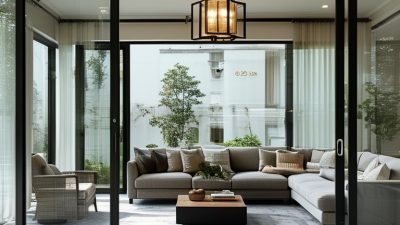
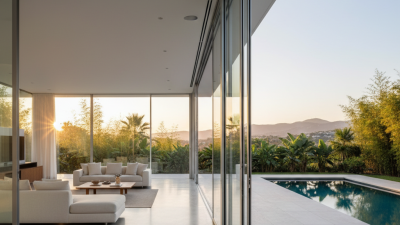
Sliding Glass Panels have really changed the game when it comes to modern architecture and interior design. They're such sleek installations that create a smooth transition between your indoor and outdoor spaces — it’s like bringing the outside in! Stuff like French doors with screens or sliding screen doors? They’re popular not just because they look great, but also because they’re super functional. Not to mention, they let in loads of natural light and help with airflow, making your space feel fresh and open.
Now, the mechanics behind these Sliding Glass Panels are pretty interesting. They run on a track system, so they move easily without much fuss. Plus, their design helps save space and even gives you stunning views of your yard or garden. A lot of folks go for glass French doors for patios — they add style and make it easy to step outside to your terrace or garden. But, let’s be honest — no matter how pretty they are, there are some practical things to keep in mind.
For example, maintenance can be a bit of a hassle. Dust and debris can settle in the tracks, which might cause the Doors to stick or not glide smoothly. Giving them a good clean regularly can make a huge difference. As you mull over options like French Doors for your patio or the various sliding glass setups, think about what works best for your lifestyle. These choices can make a real difference in how your home feels and functions — so it’s worth considering all angles.
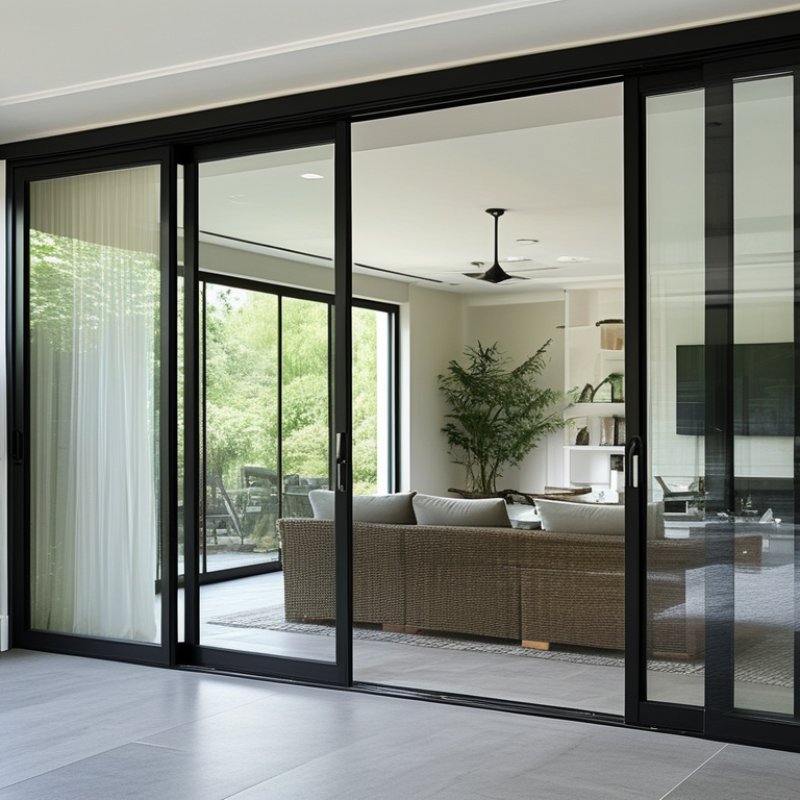
What are Sliding Glass Panels and Their Functionality?
Sliding Glass Panels are an innovative feature inmodern architecture. They provide a seamless transition between indoor and outdoor spaces. These panels typically consist of large sheets of glass that glide open and shut. Their functionality is primarily rooted in maximizing natural light while offering panoramic views. According to industry reports, the use of Sliding Glass Panels has increased by30% in new residential constructions over the past five years, reflecting their popularity.
Grey Tempered Glass Sliding Glass Panels are particularly valued for their durability and aesthetic appeal. They are designed to withstand severe weather conditions while enhancing energy efficiency. These panels can reduce the need for artificial lighting, contributing to lower energy bills. Many homeowners report an average energy savings of 15% when incorporating such features into their homes. However, it's crucial to ensure that installation is performed correctly to avoid issues like air leaks or improper sealing.
Tips: Regular maintenance is essential. Clean the tracks and glass frequently. This helps in ensuring smooth operation. Additionally, check for any signs of wear around the seals. Addressing these issues early can prevent costly repairs later. Consider consulting a professional if you're unsure about installation or maintenance tasks.
History and Evolution of Sliding Glass Panel Designs
Sliding Glass Panels have a rich history. Their evolution reflects advancements in both design and technology. The earliest known sliding glass doors date back to ancient Roman architecture. These early designs featured wooden frames and simple glass panes. They provided a fragile connection between indoor and outdoor spaces.
As architecture progressed, sliding glass panels became more sophisticated. The introduction of steel frames in the late 19th century improved durability. Art Deco buildings showcased expansive glass walls, melding style with functionality. However, these designs often had issues with insulation and energy efficiency.
By the late 20th century, advances in glazing technology changed the landscape. Double-glazing became standard, offering better sound and climate control. Yet, some designs still faced challenges. The trend towards larger panels led to structural concerns. Balancing aesthetic allure with practical functionality continues to be a topic for architects.
Key Components of Sliding Glass Panel Systems
Sliding glass panels have gained traction in modern architecture, thanks to their sleek design and functionality. Key components of sliding glass panel systems include frames, rollers, tracks, and, notably, the glass itself. High-quality materials, such as 10mm Clear Tempered Glass Sliding Panels, offer enhanced durability and safety. This glass is designed to withstand impact and thermal stress, making it a reliable choice for various applications.
Proper installation is crucial for the performance of sliding glass panels. Frames are typically constructed from aluminum or vinyl, which resist corrosion and provide weather-tight seals. Rollers facilitate smooth opening and closing, reducing wear over time. Regular maintenance can ensure these components function optimally.
Tip: Always check the seals around your panels for any wear. Proper sealing prevents air and water leaks, enhancing energy efficiency. Furthermore, ensure the tracks are clean and lubricated for effortless operation. These small details can significantly extend the lifespan of your sliding glass system but are often overlooked.
Energy Efficiency Benefits of Sliding Glass Panels
Sliding glass panels are gaining attention for their energy efficiency benefits. These panels, particularly those made from 10mm grey tempered glass, offer excellent insulation properties. They prevent heat transfer, keeping indoor spaces comfortable year-round. When properly installed, they can significantly reduce heating and cooling costs.
Another advantage is natural light. Sliding glass panels maximize sunlight, reducing the need for artificial lighting during the day. This reduces energy consumption, benefiting both the environment and your wallet. However, it's important to consider the potential for overheating in warmer months. Effective shading solutions or heat-reducing window films can address this issue.
While the aesthetic appeal of these panels is undeniable, their performance can vary based on installation quality. Poorly installed sliding glass panels can lead to leaks and energy loss. Focusing on professional installation and quality materials is essential. Regular maintenance also enhances their lifespan and efficiency, making them a worthwhile investment.
Installation Techniques for Sliding Glass Panels
Sliding glass panels are increasingly popular in modern architecture due to their functional and aesthetic appeal. Proper installation techniques are crucial for ensuring their longevity and performance. Research shows that approximately 70% of sliding glass panels face operational issues due to improper installation. Therefore, understanding the right methods is essential for both professionals and DIY enthusiasts.
When installing glass sliding panels, the first step is to ensure a level foundation. A sloped or uneven surface can lead to misalignment and eventual malfunction. A common mistake is neglecting the seals and tracks during the installation. Seals are vital for energy efficiency, and any gaps may cause leaks or drafts. According to the National Glass Association, proper sealing can improve thermal performance by up to 30%.
Additionally, pay close attention to the weight distribution of the panels. A common pitfall is underestimating the importance of appropriate support structures. Without adequate support, the panels might not operate smoothly, leading to frequent repairs. In places like Eindhoven, the demand for well-installed glass sliding panels is rising, highlighting the need for competent workmanship. Always consider consulting a professional for advice or assistance to avoid unnecessary issues in the future.
What is Sliding Glass Panels and How Do They Work? - Installation Techniques for Sliding Glass Panels
| Feature | Details |
| Material | Tempered Glass, Aluminum Frames |
| Operation | Sliding mechanism allows panels to move horizontally |
| Installation Method | Mounting rails, leveling, securing frames |
| Benefits | Natural light, energy efficiency, space-saving |
| Common Sizes | 6ft x 8ft, 8ft x 8ft, Custom sizes available |
| Cost Range | $500 - $2,500 depending on size and materials |
| Maintenance | Regular cleaning and checking of tracks |
Common Applications of Sliding Glass Panels in Construction
Sliding glass panels are redefining modern architecture. They are significant in residential and commercial settings. Many buildings now prioritize natural light. Reports suggest that buildings with more glass have increased energy efficiency. For instance, a study by the U.S. Department of Energy indicates that well-placed windows can reduce heating and cooling costs by up to 20%.
In residential design, sliding glass panels create open spaces. They blend indoor and outdoor areas seamlessly. This connection can enhance living experiences and overall well-being. Many homeowners seek ways to maximize views. In fact, 62% of homeowners now favor homes with sliding doors or large windows, according to the latest architectural trends report.
Commercial applications are equally impressive. Sliding glass panels are commonly used in storefronts and offices. They allow for visibility and invite customers inside. However, these installations can sometimes pose challenges. For example, maintaining thermal insulation is crucial yet often overlooked. There can also be issues with security. Thus, careful consideration in design and materials is essential for optimal performance.
Maintenance Tips for Optimal Performance of Sliding Glass Panels
Sliding glass panels are a convenient addition to many homes. They offer an elegant transition between indoor and outdoor spaces. However, proper maintenance is key to ensuring their long-term functionality. To achieve optimal performance, start by regularly cleaning the tracks and frames. Dust and debris can accumulate, causing them to stick or jam. A simple vacuum or damp cloth can eliminate this buildup effectively.
Lubrication is crucial for smooth operation. Use a silicone-based spray on the track and rollers. Avoid grease, as it may attract dirt. It is also important to inspect the seals and weatherstripping. Damaged seals can lead to drafts and energy loss. Replacing worn-out seals might require some patience, but it is worth the effort.
Lastly, monitor the alignment of the panels. Misalignment can happen over time, making the doors difficult to open. Regularly check if they glide effortlessly. If you notice resistance, it may be time to adjust the rollers. Reflect on these maintenance steps, as neglect can lead to costly repairs. Keep items away from the panels to prevent accidents; this simple action enhances their functionality.
FAQS
: Key components include frames, rollers, tracks, and the glass itself.
Proper installation ensures longevity and prevents operational issues.
Frames are often made from aluminum or vinyl for durability.
Regular maintenance keeps components working well, extending the system's lifespan.
Neglecting seals can lead to leaks and energy loss.
Proper weight distribution ensures smooth operation and reduces repairs.
Well-placed panels can reduce heating and cooling costs by up to 20%.
Yes, they create a seamless blend of indoor and outdoor areas for better experiences.
Challenges include maintaining thermal insulation and addressing security concerns.
Consulting professionals can prevent future issues and ensure proper installation techniques are used.
Conclusion
Sliding Glass Panels are versatile architectural elements that facilitate seamless transitions between indoor and outdoor spaces, allowing natural light to flood interiors while providing panoramic views. These panels have evolved over time, with advances in design enhancing both aesthetics and functionality. The key components of sliding glass panel systems include sturdy frames and smooth-operating tracks, ensuring durability and ease of use.
In addition to their visual appeal, Sliding Glass Panels offer significant energy efficiency benefits by minimizing heat loss and maximizing daylighting, which can reduce energy costs. Proper installation techniques are crucial to their performance, and regular maintenance is necessary to ensure their longevity and optimal operation. Commonly used in residential and commercial constructions, these panels enhance spaces by creating open, airy environments while maintaining effective segregation from the elements.