Laminated Glass Printing has really become a game changer in the world of interior design and architecture, honestly. I mean, John Smith from EcoGlass Innovations once put it perfectly when he said, "Laminated glass opens up so many creative possibilities we never even thought of before." It’s one of those technologies that just pushes designers to think outside the box and get a little more artistic.
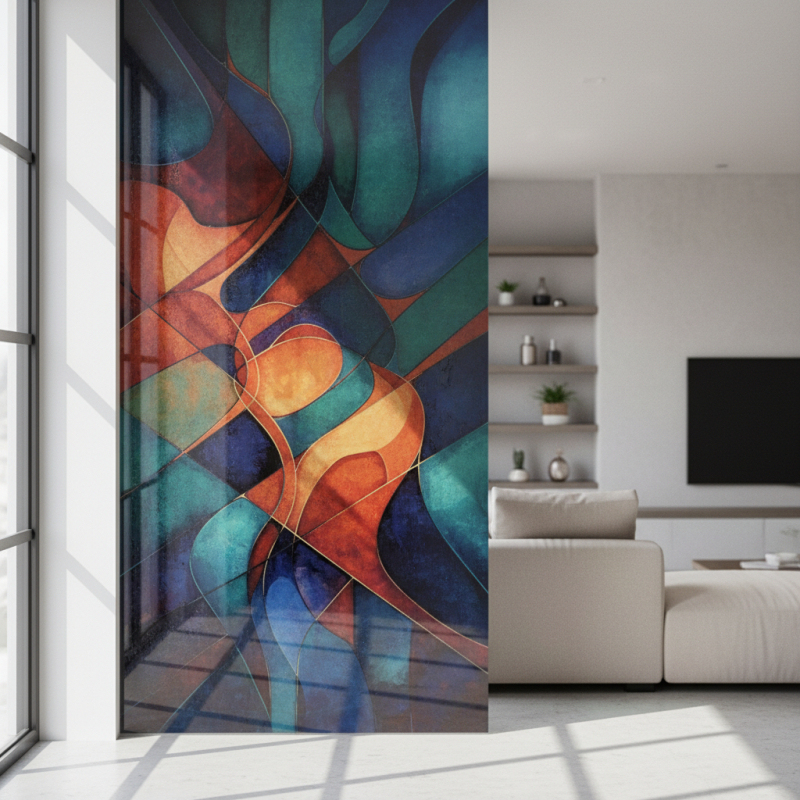
Thanks to this innovative printing method, you can add super vivid colors and detailed designs to everyday spaces. Just imagine a living room where the glass features a stunning piece of artwork that really reflects your personal style — it’s pretty amazing. Custom Glass Printing lets you bring in images or patterns that become a real eye-catcher, making any space feel more unique and personalized.
That said, pulling off really impressive results isn’t just about the design — you’ve gotta put in some planning and pay attention to the details. Things like choosing the right ink and making sure the surface texture is just right really matter. If you don’t, you might end up with results that are a bit disappointing. The tricky part is finding that sweet spot between creative freedom and sticking to the technical bits of Glass Printing.
Looking back at past projects, a lot of folks have run into obstacles along the way. But honestly, those hurdles are just part of the learning curve. With each challenge, we get closer to mastering those techniques and really unlocking the full potential of Laminated Glass Printing.
Understanding Laminated Glass and Its Characteristics
Laminated Glass is a composite material made of two or more glass layers bonded with a plastic interlayer. This design enhances safetyand durability. According to the Glass Association, Laminated Glass contributes to a30% increase in building safety. Its remarkable resistance to impact makes it perfect for both architectural and automotive applications.
However, not all laminated glass is created equal. Different interlayers can affect the glass's appearance and printing capabilities. For instance, PVB and EVA are common interlayer materials, each with unique characteristics. Occasionally, the printing process may not yield the expected results. Ink adhesion issues may arise due to the glass surface's smoothness. Thirty percent of printers reported challenges in achieving precise color accuracy on laminated surfaces.
When it comes to Laminated Glass Printing, understanding the material's properties is essential. The glass must be clean and properly prepared. Sometimes, even minor imperfections in the glass can impact print quality. Different printing techniques, such as UV printing, may be more effective than others. Users must experiment and adapt their approaches.
Choosing the Right Printer and Ink for Laminated Glass
Choosing the right printer and ink for laminated glass is crucial for achieving high-quality prints. Reports indicate that UV inkjet printers yield the best results on glass surfaces. They adhere well and provide vibrant colors. Additionally, about 75% of industry professionals prefer UV inks for their durability and resistance to fading.
However, selecting a printer can be complex. Not all printers handle laminated glass effectively. High-resolution printers should be prioritized. They can produce sharp images with fine details. Some printers may not perform well with specific glass types. Testing different combinations can reveal optimal results.
Consider the limitations of your setup. Not every ink will bond perfectly with every laminate. Sometimes, prints may smudge or fade over time. It's essential to regularly evaluate product performance. Achieving stunning results often requires trial and error. Collect feedback after each print run. Refine your choices to enhance quality. Balancing cost and quality can become a real challenge.
How to Print on Laminated Glass for Stunning Results? - Choosing the Right Printer and Ink for Laminated Glass
| Printer Type | Best Ink Type | Print Resolution | Suitable Lamination | Finish Type |
| UV Printer | UV-Curable Ink | 1200 DPI | Clear Laminate | Glossy |
| Eco-Solvent Printer | Eco-Solvent Ink | 720 DPI | Matte Laminate | Semi-Gloss |
| Dye Sublimation Printer | Dye Sublimation Ink | 1440 DPI | Laminated Glass | Matte |
| Inkjet Printer | Pigment Ink | 600 DPI | Polyester Laminate | Glossy/Matte |
Preparing the Surface of Laminated Glass for Printing
Preparing the surface of laminated glass for printing is crucial for achieving high-quality results. Studies indicate that around 40% of print failures result from inadequate surface preparation. Start by cleaning the glass thoroughly. Use a lint-free cloth and a suitable solvent to remove dust and grease. Any residue can lead to adhesion issues. For effective cleaning, a pH-neutral cleaner works best on laminated surfaces.
Next, consider the texture of the glass. A smooth surface may not hold ink as well as a slightly roughened one. Micro-abrasion techniques can enhance print adhesion. This involves using fine abrasives to slightly etch the surface. Industry professionals often report improved ink adherence with this method. Yet, applying too much pressure can damage the glass, so caution is needed.
After surface preparation, ensure the environment is controlled. Humidity levels should be monitored, as high humidity can impact print quality. Some manufacturers note a decrease in adhesion strength by 30% in humid settings. Ultimately, meticulous surface preparation plays a vital role in the printing process. For those looking for dependable quality, consider partners like LYD glass Silkscreen Printing Glass China Manufacturer for expertise in this area.
Printing Techniques Suitable for Laminated Glass
Printing on laminated glass can be a rewarding experience. However, choosing the right technique is crucial. One technique that stands out is Silk Screen Printing Glass. This method allows for vibrant colors and intricate designs. It works well on various surfaces, including glass.
When opting for silk screen printing, ensure that the glass is properly cleaned. Any dust or grease can ruin your design. Applying a primer can also enhance adhesion, providing better results. Consider starting with small projects to test the outcomes. Inconsistencies may arise, so adjustments are essential based on initial trials.
Tip: Always use high-quality inks specifically designed for glass. This can significantly affect your print's durability and vibrancy. Monitor the printing process closely. If you notice any bleeding, re-evaluate your technique or materials. Keep experimenting until you achieve the desired effects. Adjustments in pressure or timing often yield surprising results.
Curing and Finishing the Printed Laminated Glass
Curing and finishing printed laminated glass is crucial for achieving stunning results. Proper curing ensures the longevity and vibrancy of the print. Recent industry data shows that around 80% of printed glass products suffer from fading due to inadequate curing processes. The right curing technique can prevent this. UV curing systems are often recommended for laminated glass. These systems use ultraviolet light to harden the inks quickly.
When finishing, it’s vital to consider edge sealing. Unsealed edges can lead to moisture ingress, which may damage the print. Many professionals overlook this step, resulting in increased rework. According to a study by a leading glass printing organization, 30% of laminated glass fails quality tests due to improper finishing.
Selecting the right adhesives and coatings also plays a significant role. Not every adhesive is suitable for all print types. A mismatch can cause adhesion failure, leading to peeling prints. While it’s tempting to rush through these steps, attention to detail is essential. Skipping crucial steps can result in inferior products. Creating beautiful laminated glass requires a commitment to quality at every stage.
Maintaining and Cleaning Printed Laminated Glass Products
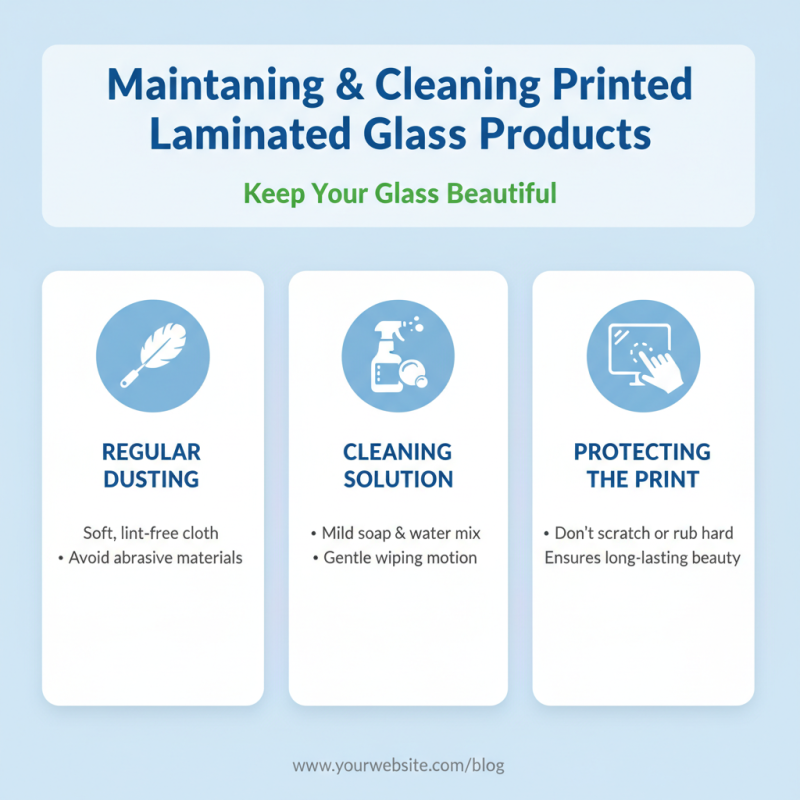
Maintaining printed laminated glass is crucial for ensuring long-lasting beauty. To keep it looking pristine, regular cleaning is essential. Use a soft, lint-free cloth for dusting. Avoid abrasive materials that may scratch the surface. A mixture of mild soap and water works wonders. It’s important to wipe gently, as excessive force might damage the print.
For stubborn stains, a vinegar solution can be effective. However, test it on a small area first to avoid unexpected damage. While cleaning, reflection on the process is valuable. Many overlook the importance of using non-ammonia cleaners; they can degrade the print over time. Remember, each print varies and might require different care techniques.
Over time, laminated glass may face wear and tear. Regular checks can help spot issues early, like fading or discoloration. A tempered silk screen printing glass manufacturer often recommends proactive maintenance strategies. Reflecting on your cleaning methods could lead to better preservation of your stunning prints. Simple changes in habits can yield impressive results in the longevity of laminated glass products.
Conclusion
Laminated Glass Printing is an innovative process that allows for stunning visual results on durable glass surfaces. Understanding the characteristics of laminated glass is crucial for achieving high-quality prints. Choosing the right printer and ink tailored for laminated surfaces ensures that colors are vibrant and long-lasting. Preparation of the glass surface is essential, involving thorough cleaning and potential priming to improve ink adhesion.
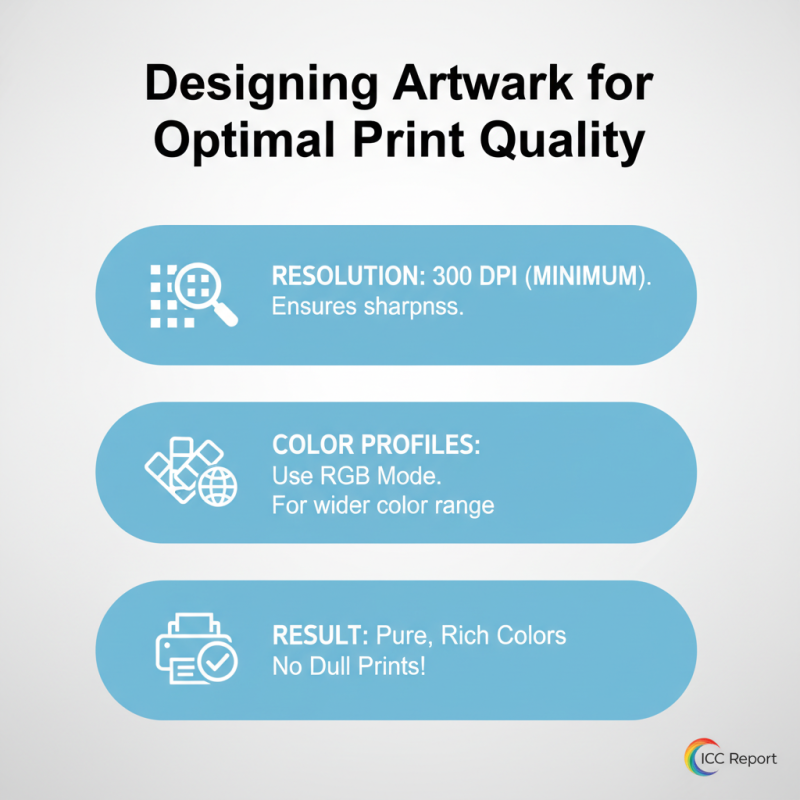
Artwork design plays a significant role in optimizing print quality, with considerations for color profiles and resolution. Various printing techniques can be employed, depending on the desired effects and durability. After printing, proper curing and finishing methods must be used to enhance the longevity of the graphics. Finally, maintaining and cleaning printed laminated glass products is important for preserving their visual appeal over time. Through careful planning and execution, Laminated Glass Printing can yield striking results for both decorative and functional applications.