Leave Your Message
0%

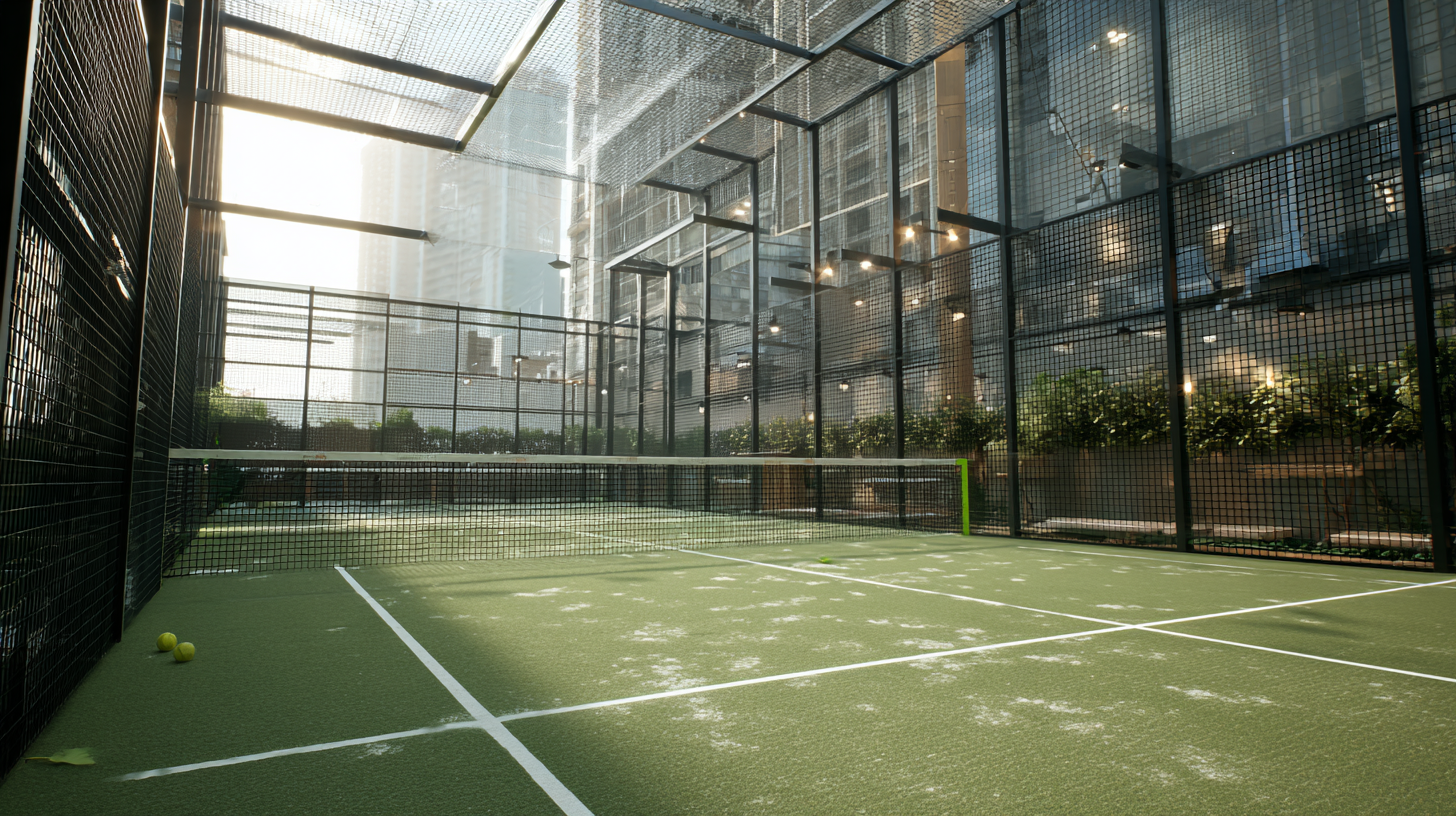
The construction and design of Padel Court Walls play a crucial role in influencing game performance and player experience, making it essential for manufacturers like QINHUANGDAO LIANYIDING GLASS CO., LTD. to understand their impact. According to a recent industry report by the International Padel Federation, the materials used in court walls can affect gameplay factors such as ball rebound and player visibility, which directly impacts performance levels. With the growing popularity of padel—evident from a 300% increase in participation rates over the past five years—ensuring optimal court conditions becomes paramount. LYD GLASS specializes in producing high-quality Tempered glass, Laminated Glass, and Insulated glass, allowing for the creation of durable and aesthetically pleasing Padel Court Walls. By leveraging our strategic location inQinhuangdao, we can deliver these materials efficiently to meet the increasing global demand for quality padel courts, enhancing both player satisfaction and game integrity.
Exploring the Impact of Padel Court Walls on Game Performance and Player Experience

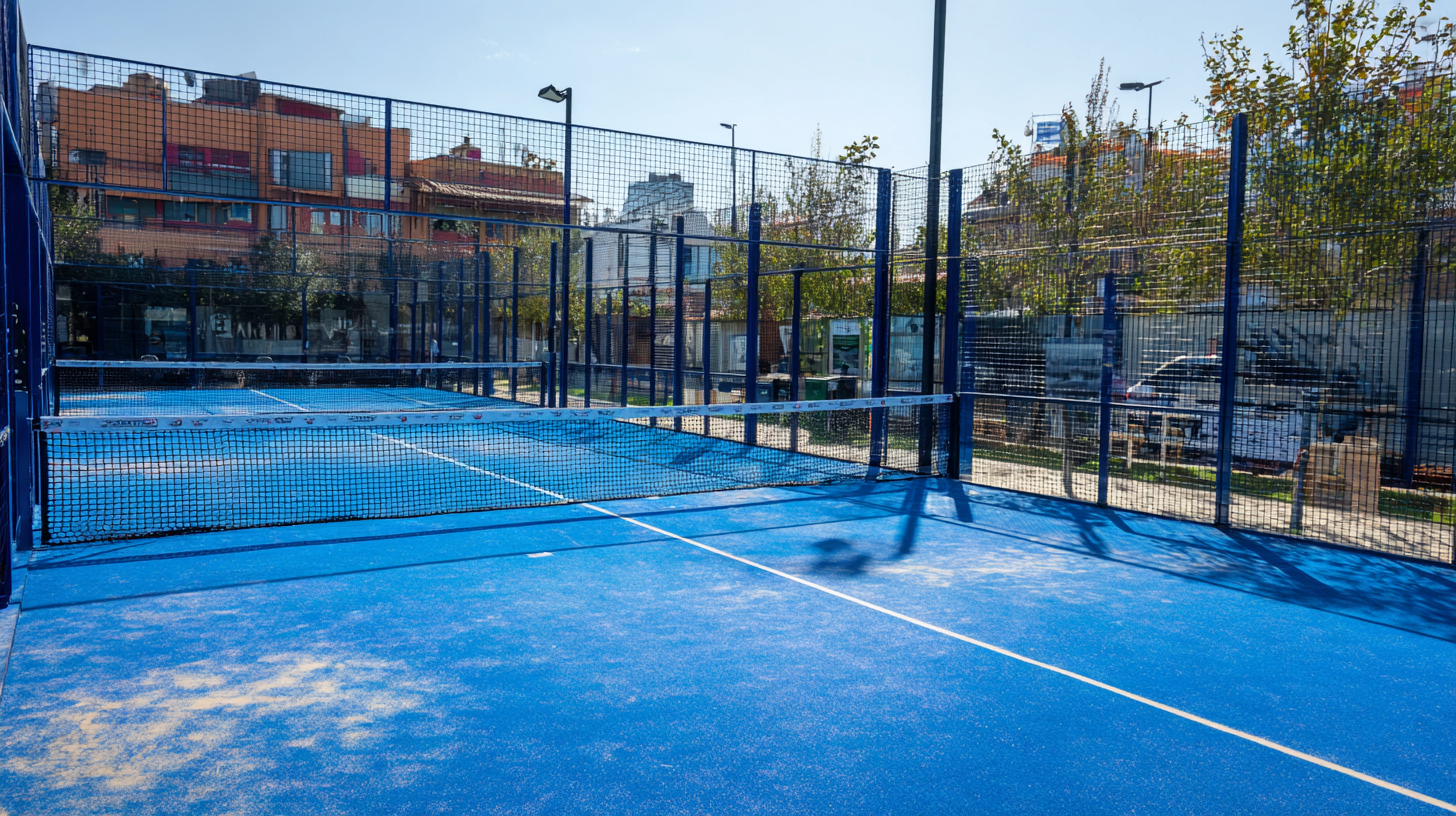
Impact of Wall Design on Ball Trajectory in Padel Matches

When it comes to padel courts, the way the walls are designed can really make a difference in how the ball behaves during a match. If the walls are perfectly straight and aligned, it makes the ball's rebounds more predictable, so players can read and react a lot better. On the flip side, wobbly or angled walls can produce unexpected bounces, which adds some spice to the game. That kind of randomness can either push skilled players to think on their feet or totally throw off beginners still figuring things out.

So, when you're picking a court, keep an eye on the wall setup. Courts with smooth, even walls are great for practice, especially when you're focusing on honing your skills since they help with consistency. But if you’re after a more lively, exciting game, courts with varied wall angles can really boost the fun and keep you on your toes.

And don’t forget, the material of the walls matters too. Hard surfaces tend to bounce the ball back with more force, while softer materials tend to soak up some of that energy, giving gentler rebounds. Picking a court that suits your playing style and what you’re comfortable with can really influence how well you perform and how the game feels overall.
Exploring the Impact of Padel Court Walls on Game Performance and Player Experience

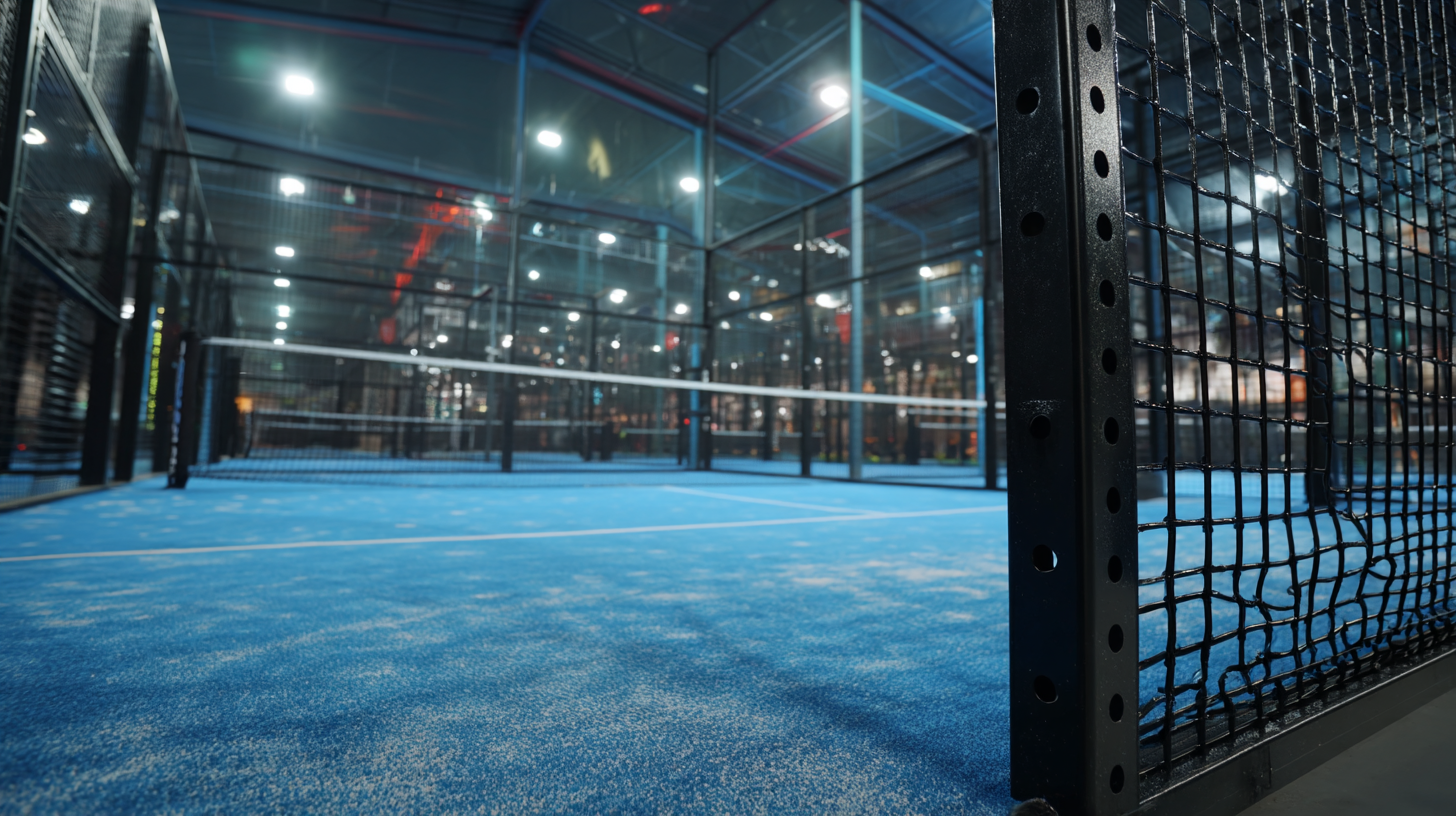
Role of Wall Height in Player Strategy and Shot Selection

You know, when it comes to padel courts, the height of the walls can really shake things up in how players approach the game. Taller walls, for example, open up a whole new world—players can hit those upward shots or bounce the ball off strategically, which helps them stay in control during rallies. It sort of invites creativity—you start experimenting with different angles and shot trajectories, kind of like how modern sports, especially basketball, have evolved. Think about how players now really pay attention to long-range shots—adapting to the game’s changing demands, right?

As folks adjust their techniques depending on how high the walls are, the game shifts more towards precision and calculated risks. Just like how basketball stars like Paolo Banchero show off their versatility with all kinds of shots, padel players learn to read how the ball will bounce and interact with those walls. It’s this cool interaction between the court’s physical features and a player's decision-making that makes the game more exciting. Plus, it really highlights how important strategic thinking is, not just in padel but across all sports—adaptability is key, after all.

Influence of Wall Material on Game Dynamics and Player Comfort

Choosing the right wall material for a padel court really makes a difference—not just in how the game feels but also in how comfortable players are. You see, different materials, like ceramic tiles, have their own quirks. Some can change how the ball bounces, how loud the court gets, and even how safe players feel. For example, harder surfaces tend to make the game faster, which is pretty cool, but they can also be tough on your joints if you're playing for a while. On the flip side, softer materials tend to absorb shocks better, keeping players comfy and minimizing the risk of aches and pains, though they might slow down the game a bit.

Now, the ceramic tiles market is booming—expected to grow from around $87 billion in 2025 to nearly $119 billion by 2032. Manufacturers are catching on, and we're seeing some pretty interesting innovations. They're working on tiles that grip better, look nicer, and don't require as much upkeep—things that really make a difference for both players and courts. These improvements don’t just make the game more enjoyable but also help boost the sport’s popularity. When courts look good and feel right, more people are inclined to give padel a shot, which is great for building a lively, passionate community. At the end of the day, choosing the right materials is all about creating a space that’s fun for players, whether you’re there to compete or just have a good time hanging out with friends.

Assessment of Wall Surface Grip and Its Effect on Player Performance

You know, the way the walls of a padel court grip the ball really makes a big difference—not just in how you play, but also how much you enjoy the game. Unlike regular racquet sports, padel lets you use the walls to your advantage, bouncing the ball off them strategically. But here’s the thing: if the wall surface isn’t gripping well, it can really mess with your shots. A wall with good traction gives you the confidence to rely on rebounds for clever plays, whereas a slick wall can cause unpredictable bounces and those frustrating missed opportunities.

When you're choosing wall surfaces, it’s pretty important to find a good balance—something that offers enough grip so you can control the ball without making it crawl to a halt. And don’t forget, keeping those walls in good shape matters too. Regular cleaning and inspections will keep things running smoothly. Plus, you can tweak your technique a bit depending on the wall’s grip—it’s all about adapting.

**Pro tip:** Try practicing your shots against different wall surfaces to get a feel for how the ball reacts. Playing around with various grip levels can help you nail those rebound shots. And hey, always wear the right shoes—good traction makes a big difference for your control and stability out there. Trust me, it’s all about feeling comfortable and confident on the court!

Exploring the Impact of Padel Court Walls on Game Performance

Psychological Effects of Wall Proximity on Player Confidence and Focus

You know, the psychological stuff that comes into play when you're close to the walls in padel? It can really mess with your confidence and focus during a match — or, sometimes, give you a little boost. Being near the walls creates this pretty unique vibe; for some players, it’s actually comforting, making them feel kind of contained and supported. That feeling of being 'locked in' can elevate their confidence, so they’re more willing to take risks and play more aggressively. Like, knowing the walls can bounce the ball back gives them a bit of a safety net, making bold shots feel a little less daunting.

But, on the flip side, for others, those same walls can be pretty stressful. They might start worrying about hitting the wall or making mistakes, and that can totally throw off their focus. Instead of just enjoying the game, they get caught up in the pressure, obsessing over every shot. It’s like the walls become these unforgiving judges, and that mental weight can really make it hard to stay present in the moment, which can mess up their game.

Getting a handle on how these psychological factors work is super important, whether you’re a player or a coach. It helps in figuring out how to train your mind, use the advantages of playing close to the walls, and avoid getting overwhelmed by them. It’s all about finding that sweet spot so the walls become a tool, not a source of stress.

Exploring the Impact of Padel Court Walls on Game Performance and Player Experience

FAQS

: How does wall design affect ball trajectory in padel matches?

: Wall design impacts the predictability of the ball's rebound; aligned walls enhance predictability, while irregular or angled walls create unexpected bounces.

What type of wall design is recommended for training purposes?

Courts with smooth and consistent walls are better suited for training, as they provide predictability that aids skill development.

What should players consider when choosing a padel court?

Players should pay attention to wall design and materials, as these aspects significantly influence ball movement and match outcomes.

How do hard wall surfaces affect ball rebounds in padel?

Hard surfaces cause the ball to rebound more forcefully, while softer materials absorb some energy, resulting in gentler rebounds.

What are the psychological effects of wall proximity on players?

Walls can boost confidence for some players by providing reassurance, while for others, they may increase pressure and anxiety, affecting focus.

How can players cope with the pressure of wall proximity during matches?

Understanding the psychological dynamics can help players and coaches inform training methods and mental preparation strategies to handle the effects of wall proximity.

Can wall characteristics influence a player's playing style?

Yes, players should consider wall characteristics, as they can significantly influence their playing style and match strategies.

What is the benefit of varied wall angles in padel courts?

Varied wall angles can enhance the excitement of the game by providing a more dynamic playing experience.

How does wall design impact beginners differently than skilled players?

Beginners may find irregular walls frustrating as they struggle with unpredictability, while skilled players might adapt their strategies to leverage the complexity.

Why is it important for coaches to understand wall dynamics in padel?

Coaches can better inform training methods and mental strategies for players by understanding how wall dynamics affect gameplay and player psychology.

Conclusion

The article titled "Exploring the Impact of Padel Court Walls on Game Performance and Player Experience" takes a deep dive into how different factors can influence not just how the game plays out but also how players feel about their experience on the court. It talks about how the design of the walls affects the ball's flight — a pretty key thing when it comes to planning your shots and playing smart. The height of the walls really matters too, shaping the strategies players use. Plus, the materials used in the walls can change how the game flows and how comfortable players feel during play. The article also touches on the grip of the wall surfaces, showing how it can impact a player's performance. Oh, and they even explore the psychological side — like, how close the walls are can affect players’ confidence and focus during matches.

For us, at QINHUANGDAO LIANYIDING GLASS CO., LTD., which makes top-notch tempered, laminated, and insulated glass, understanding what makes a good padel court wall is super important. Using our expertise in glass manufacturing, we can help improve the design and functionality of these courts, which means a better experience and better performance for players. It’s all about creating the best environment for everyone out there!

Charlotte

Charlotte

Charlotte is a marketing professional at LYD GLASS, a company based in the strategically located Qinhuangdao. With her extensive knowledge of the glass industry, particularly in the production of tempered glass, Laminated Glass, and insulated glass, Charlotte effectively communicates the core......
Previous Leading Global Manufacturer of Premium Tempered Glass Printing Solutions