Leave Your Message
0%

When you're looking into Ice Hockey Rink Glass, it's really important to understand the ins and outs. Renowned expert John Smith from ClearView Rinks points out, “Picking the right glass isn't just about looks — it’s about keeping players safe and making sure the game looks good too.” That really drives home how crucial it is for buyers to make informed choices.

Ice Hockey Rink Glass isn’t just about safety; it actually plays a big role in the whole game experience. It keeps players protected and helps fans enjoy clear visibility. But here’s the thing — not all glass is the same. Many folks overlook stuff like thickness, safety ratings, or thermal features. Knowing these little details can save you from making pricey mistakes.

And don’t forget, teaming up with trusted suppliers, like Rink Fence Manufacturers, makes a big difference. They offer top-notch materials that are built to last and meet safety standards. Picking the right skating rink barrier can really boost how well your rink functions. It’s a good idea to think about what you really need and not rush the decision. Taking some time now will definitely pay off down the line.
What to Know About Ice Hockey Rink Glass for Buyers?

What is Ice Hockey Rink Glass and Its Importance in the Game?

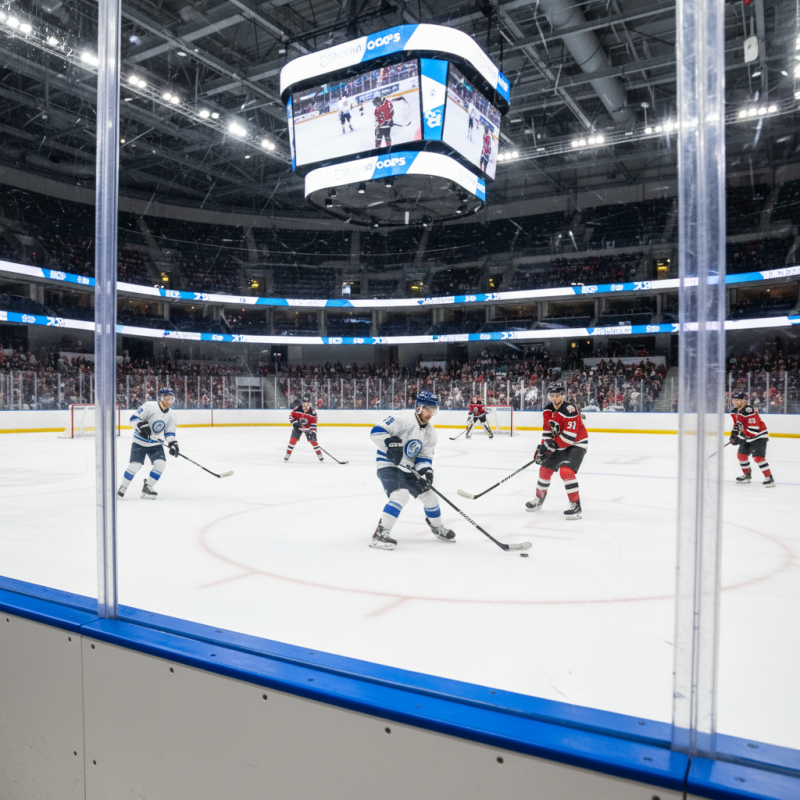
Ice Hockey Rink Glass plays a vital role in the game. It surrounds the rink and protects players, officials, and fans from fast-moving pucks and collisions. This glass is usually made of tempered acrylic or polycarbonate, providing clarity and durability. It absorbs impact well, ensuring safety during intense game situations.

The height of the glass is crucial for optimal viewing. It should be tall enough to keep errant pucks contained. However, if it's too high, fans may struggle to see the action. Teams often opt for the right balance to enhance spectator experience. The thickness of the glass also matters. Thicker glass offers better protection but can obstruct airflow, creating a less comfortable environment.

Tips for rink glass maintenance include regular inspections. Check for cracks or scratches that may impair visibility. Cleaning is essential too, especially in dusty arenas. Use gentle, non-abrasive cleaners to avoid scratches. Remember, maintaining the glass is part of the overall safety strategy. If the glass is damaged, it must be replaced promptly to prevent potential injuries.

Types of Ice Hockey Rink Glass: A Comprehensive Overview

When considering Ice Hockey Rink Glass, understanding its types is crucial for buyers. There are generally three types of glass used: acrylic, tempered, and Laminated Glass. Each type presents unique benefits and challenges in terms of safety, durability, and cost-effectiveness. According to industry data, tempered glass is favored due to its strength; it withstands impacts better than acrylic. However, it can shatter into sharp pieces, raising safety concerns. In contrast, Laminated Glass is safer, as it holds together when broken.

Acrylic glass, on the other hand, is lightweight and more resistant to shattering. Its clarity is superior, making it a popular choice in rinks that prioritize visibility. Yet, it can scratch easily and may require frequent replacement. Reports show that over 30% of ice rinks opt for acrylic, despite its shortcomings. For rink operators, the decision often comes down to balancing safety and maintenance costs against visibility and durability.

The importance of regular inspectioncannot be overlooked. Even high-quality Ice Hockey Rink Glass can degrade over time or become discolored, impacting player safety and the spectator experience. Routine maintenance is essential to prevent hazards, yet25% of rinks neglect this aspect. Understanding the trade-offs among these types is vital for informed decision-making in managing an ice hockey facility.

Regulations and Standards for Ice Hockey Rink Glass Thickness

What to Know About Ice Hockey Rink Glass for Buyers?

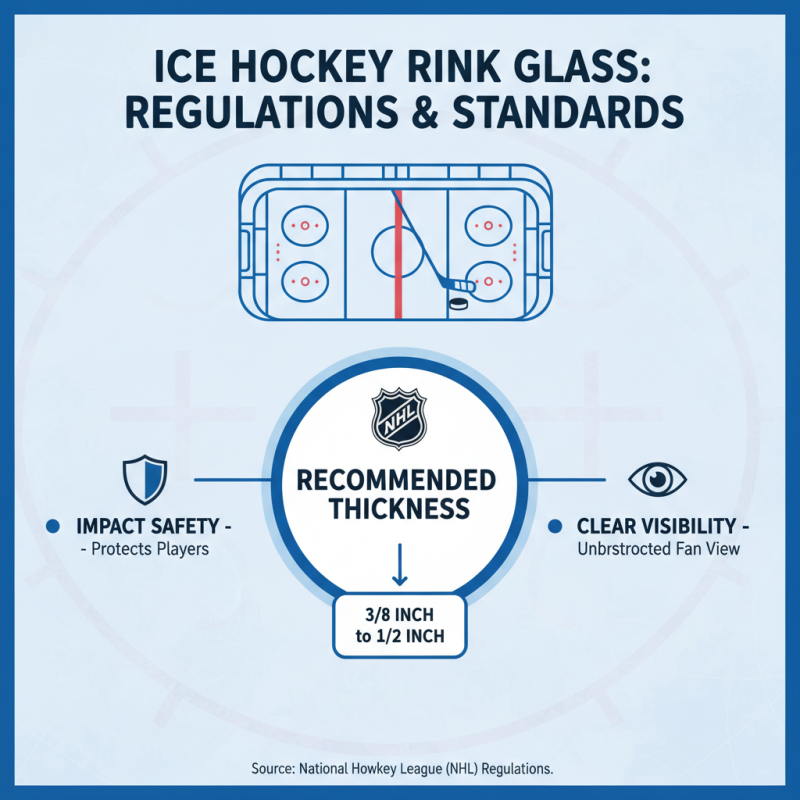
When selecting Ice Hockey Rink Glass, understanding regulations and standards is crucial. The thickness of the glass affects safety and visibility significantly. According to the National Hockey League (NHL) regulations, the recommended thickness for glass is typically between 3/8 inch to 1/2 inch. This standard helps ensure that players are adequately protected while providing fans an unobstructed view of the game.

Moreover, using Thick Ultra Clear Tempered - Toughened Glass for Ice Rink is becoming increasingly popular. This type of glass not only meets safety standards but also enhances durability. Industry reports indicate that tempered glass can withstand impact better than standard glass. This is vital in an environment where high-speed objects constantly hit the barriers.

However, adhering to these thickness specifications is a challenge. Some rink operators might opt for thinner glass to reduce costs, risking player safety. They may overlook guidelines that could potentially lead to injuries. Inconsistent practices can leave gaps in safety protocols. Therefore, rigorous compliance with recommended thickness is essential for maintaining high safety standards in ice hockey rinks.

Impact Resistance of Rink Glass: Industry Specifications Explained

What to Know About Ice Hockey Rink Glass for Buyers?

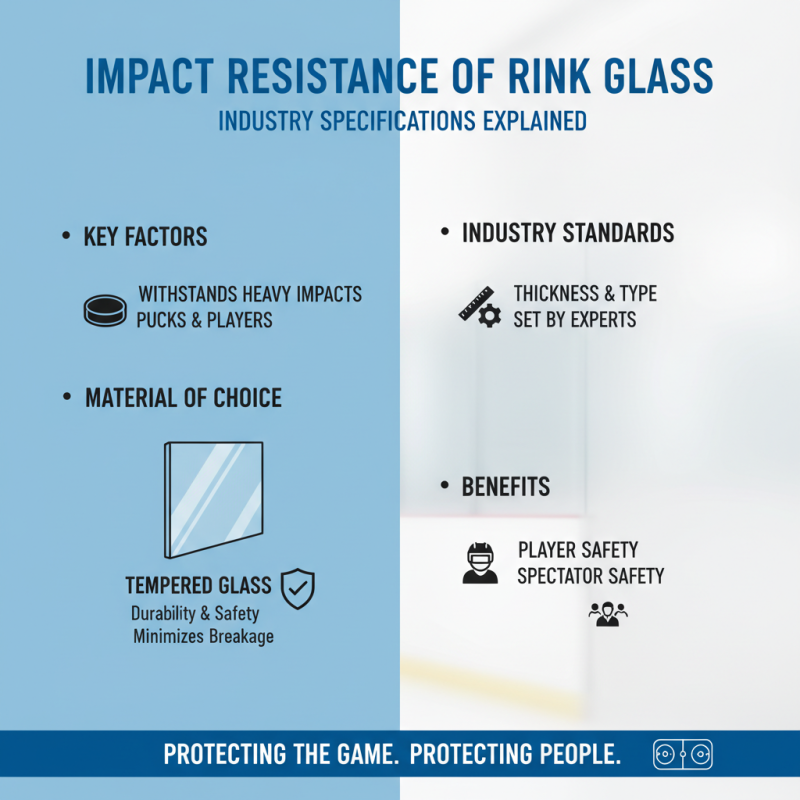
When considering Ice Hockey Rink Glass, impact resistance is a crucial factor. The glass must withstand heavy impacts from pucks and players. Standard specifications set by industry experts dictate the thickness and type of glass used. Typically, tempered glass is favored for its ability to endure stress and minimize breakage. This helps ensure the safety of players and spectators alike.

Moreover, the local manufacturing process can influence quality. A reputable China Ice Hockey Glass factory and manufacturers often adhere to strict guidelines to ensure reliability. Purchasing from a certified manufacturer guarantees that the glass meets these critical specifications. However, not all factories maintain the same standards, which can be a concern for buyers. Checking for certifications and past client reviews can help mitigate risks.

It’s vital to assess installation methods as well. Poorly installed glass can compromise safety and effectiveness. Even high-quality glass may fail if not properly fitted. Thus, working with experienced professionals during installation is essential. This level of attention to detail can prevent accidents and prolong the lifespan of the rink glass. Understanding these elements is key for any buyer navigating this specialized market.

The Role of Rink Glass in Player Safety and Game Dynamics

Ice Hockey Rink Glass plays acrucial role in ensuring player safety and influencing game dynamics. The protective barrier prevents players from falling into spectators and keeps high-speed pucks contained. Research indicates that proper thickness and durability are vital. The glass used typically measures 3/8” to 1/2” thick to endure impacts up to 50 mph. This tough material mitigates injuries, which have been shown to decrease with correct installation.

Choosing the right rink glass involves understanding various factors. Different locations require distinct glass heights and configurations to ensure visibility and safety. The standards set by the International Ice Hockey Federation (IIHF) emphasize the importance of uniformity, ensuring a consistent experience. For buyers, it's crucial to consider suppliers' credentials and their testing protocols. Consulting with experienced Hockey Rink Glass Wall Manufacturers and Suppliers can help you navigate these complexities.

Tip: Always verify the compliance of the glass with local safety regulations. Additionally, regular maintenance is necessary to prevent deterioration, which can lead to dangerous situations. Monitoring the condition of the glass regularly helps maintain a safe environment. Prioritize transparency; assessments should be conducted by qualified professionals.

Costs Associated with Ice Hockey Rink Glass Installation and Maintenance

When considering Ice Hockey Rink Glass, installation and maintenance costs are significant factors. According to data from industry reports, the average cost for installing rink glass can range from $25 to $45 per linear foot, depending on the glass thickness and safety requirements. A standard rink typically requires approximately 200 linear feet of glass, meaning total installation could easily exceed $10,000.

Maintenance of rink glass is another critical consideration. Regular inspections are necessary to maintain safety standards, especially after games or heavy use. This can incur costs around $500 to $1,000 annually, based on the rink's usage and local labor rates. Cracks or damages must be addressed promptly, as failing to do so can lead to higher repair costs later. Interestingly, some rinks neglect routine checks, leading to significant issues down the line. Thus, understanding the financial implications is vital for informed decision-making in rink management.

Investing in high-quality glass may seem costly but can save money long-term. Lower-quality options might require more frequent replacements and repairs. An informed decision about materials can drastically impact overall long-term expenses. Every rink manager should analyze both initial and ongoing costs to optimize budget allocations effectively.

Innovations in Rink Glass Technology and Their Impact on Gameplay

Advancements in rink glass technology have transformed ice hockey gameplay. Traditionally, rink glass was merely a barrier between players and spectators. Today, innovations have made it more than just a protective element. Enhanced clarity and durability improve the viewing experience for fans and safety for players.

Various materials and coatings have emerged, making the glass more resilient against impacts. This development reduces shattering, a concern that used to affect player safety. Transparent viewing ports are also growing in popularity. They provide best sightlines, enhancing the overall atmosphere in arenas. However, while these advancements seem perfect, they sometimes create an unexpected challenge. Players must adapt to the changes in how pucks rebound.

Another aspect worth noting is the maintenance of rink glass. While it may look pristine, regular wear and tear can impair its quality. The reflection and glare caused by sunlight or arena lights can distract players. It’s essential to balance innovation with practical usability. Some new technologies have been slow to catch on, sparking debates about their long-term benefits.

FAQS

: What safety function does rink glass serve in ice hockey?

: Rink glass protects players from falling into the crowd and contains high-speed pucks.

How thick is ice hockey rink glass typically?

The glass usually measures between 3/8” to 1/2” thick for impact resistance.

Why is proper installation of rink glass important?

Correct installation reduces injury risks significantly and ensures safety for players and spectators.

What should be considered when choosing rink glass?

Factors include glass height, visibility, safety, and conformity to standards set by governing bodies.

How much does it typically cost to install rink glass?

Installation costs range from $25 to $45 per linear foot, with total costs potentially exceeding $10,000.

What are the maintenance costs associated with rink glass?

Annual maintenance may cost between $500 to $1,000, depending on usage and repairs.

How can neglecting maintenance impact rink safety?

Ignoring routine checks can lead to dangerous conditions and increase repair costs later on.

What should rink managers prioritize to maintain safety?

Regular inspections and transparency in assessments by qualified professionals are crucial.

Is investing in high-quality rink glass more cost-effective?

Yes, higher-quality glass can reduce the need for frequent repairs and replacements, saving money over time.

What financial considerations should rink managers keep in mind?

It's essential to analyze both initial and ongoing costs for effective budget management in rink operations.

Conclusion

Ice Hockey Rink Glass plays a crucial role in the game by providing both safety for players and a defined boundary for gameplay. This article explores the various types of Ice Hockey Rink Glass, detailing the importance of thickness and material standards to ensure optimal safety and performance. It delves into the critical regulations and industry specifications related to impact resistance, thereby highlighting how these factors contribute to the overall dynamics of the game.

In addition to discussing the safety aspects, the piece also examines the costs associated with the installation and maintenance of Ice Hockey Rink Glass. It addresses innovations in technology that enhance the durability and performance of rink glass, showing how advancements can transform gameplay and improve player safety. Overall, understanding Ice Hockey Rink Glass is essential for anyone involved in the sport, from facility managers to players.

Seraphina

Seraphina

Seraphina is a dedicated marketing professional at LYD GLASS, located in the strategic coastal city of Qinhuangdao. With a keen understanding of the glass industry, she specializes in highlighting the company's core offerings, which include tempered glass, laminated glass, and insulated glass. Her......
Previous China Top Garden Rooms Glass Designs for Your Dream Space?