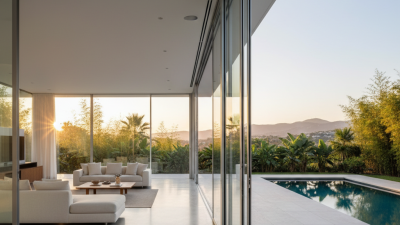
When it comes to architectural materials, Tinted Tempered Glass really stands out—mainly because of its unique looks and practical perks. Experts in the field, like Dr. Emily Chang from the Glass Institute, often say, “Tinted Glass combines style and functionality so well, it’s tough to beat.” As buildings get more intricate, the need for high-quality tinted solutions keeps growing.
Companies in China are really leading the charge here, offering innovative designs and durable products that last. They don’t just focus on how things look though; energy efficiency and safety are just as important. The smoked glass options, for example, give a sleek vibe while also providing privacy. Every piece is crafted with care, meeting international standards—which is pretty impressive.
That said, the industry’s not without its hurdles. Not every manufacturer is on the same level when it comes to quality. Some might sell cheaper products that just don’t meet expectations, and that can be a real gamble. It’s super important for buyers to do their homework and find trustworthy suppliers of colored glass. Talking to experienced professionals can really help steer you in the right direction. Picking the right option can make a world of difference in your project’s success.
High-Quality Tinted Tempered Glass: An Overview of the Industry
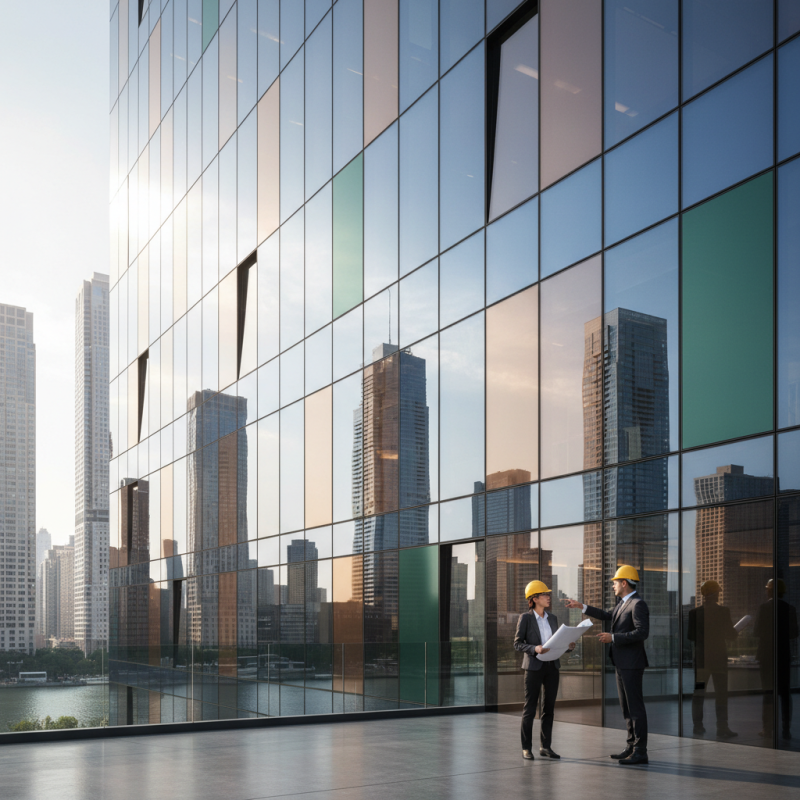
The Tinted Tempered Glass industry is witnessing remarkable growth. This type of glass combines aesthetics and functional benefits, making it popular in various applications. Architects and designers appreciate its ability to enhance building façades while providing privacy. Incorporating tinted glass can significantly reduce glare and control heat. This is essential in regions with high sunlight exposure.
China has emerged as a prime location for high-quality Tinted Tempered Glass production. With modern manufacturing techniques, many suppliers produce glass that meets international standards. A notable product is theChina good quality 8mm euro gray Tinted Tempered Glass. Its sleek appearance adds sophistication to any structure. Factor in its durability and safety, and you have a product that serves multiple purposes.
However, reliabilityremains a concern for some customers. While many manufacturers claim high standards, not all offer the same quality. Purchasing from reputable suppliers is crucial. Consider visiting factories and checking certifications. This helps ensure you are investing in the right product. The Tinted Tempered Glass landscape continues to evolve, demanding both innovation and vigilance from buyers.
Key Features of Tinted Tempered Glass in Modern Architecture
Tinted Tempered Glass is gaining traction in modern architecture. This material not only enhances aesthetics but also improves functionality. The first striking feature is its ability to control heat and glare. Architects appreciate how tinted glass minimizes the sun’s harsh rays. It helps maintain comfortable indoor temperatures. This leads to reduced energy costs, making it an eco-friendly option.
Another notable aspect is the added privacy it provides. Tinted glass allows light to enter while obstructing views from the outside. This balance is crucial for homes and commercial spaces alike. However, it can limit natural light intake, which some may find concerning. Architects often weigh these factors when designing spaces.
Durability is another key feature. Tempered glass is significantly stronger than standard glass. It is resistant to impact and thermal stress. Despite these benefits, it can be more expensive. The initial investment may deter some builders. The combination of aesthetics, energy efficiency, and durability makes Tinted Tempered Glass a popular choice. Nonetheless, its application requires careful consideration of the design's context and specific needs.
Tinted Tempered Glass Usage in Modern Architecture
Market Trends: Growth of Tinted Tempered Glass in China
The Tinted Tempered Glass market in China is witnessing significant growth. This surge is driven by increasing demand across various sectors, including construction and automotive. Industries are recognizing the benefits of tinted glass, such as UV protection and energy efficiency. More architects and builders are specifying Tinted Tempered Glass in their projects.
As people seek more aesthetic and functional solutions, Tinted Tempered Glass has become popular. The varying shades, including Euro Bronze Tinted Tempered Glass, offer unique design opportunities. Customers want options that match their style and improve their environments. However, the market also faces challenges. Quality control remains a pressing concern for manufacturers. Not all companies meet the necessary standards, which can lead to inconsistencies.
The presence of reliable suppliers is crucial. Euro Bronze Tinted Tempered glass supplier - LYD Glass provides quality products to meet market demands. Yet, consumers must research companies carefully. Gathering feedback and examining certifications is essential for ensuring quality and performance. Without this diligence, buyers risk investing in subpar materials.
High Quality China Tinted Tempered Glass Manufacturers Data
| Manufacturer Category | Market Share (%) | Exports Volume (Million USD) | Growth Rate (%) | Production Capacity (Million Sq. Meters) |
| High-End Manufacturers | 35 | 50 | 12 | 5.0 |
| Mid-Range Manufacturers | 45 | 75 | 10 | 7.5 |
| Economy Manufacturers | 20 | 30 | 8 | 3.0 |
Top Manufacturers of Tinted Tempered Glass in China: A Comparative Study
China has become a central hub for manufacturing tinted tempered glass. This material is widely used in architecture and design. The choice of tinted laminated glass can significantly affect the aesthetic and functional aspects of a space. Various shades, like bronze, grey, and blue laminated glass, provide both style and privacy.
Many manufacturers focus on quality and innovation. However, not all are equal. Some companies struggle with transparency in production practices. This raises questions about reliability. It's essential for buyers to evaluate the industry's varied standards. Products must meet specific criteria to ensure safety and performance. This need for thorough assessment can lead to uncertainty.
In this competitive landscape, manufacturers often showcase their expertise. Yet, the real challenge lies in consistent delivery of high-quality products. Frequent variations in quality can deter potential clients. Choosing the right manufacturer requires diligent research and a keen eye for detail.
Quality Standards and Certifications for Tinted Tempered Glass Products
Tinted tempered glass is becoming popular in various industries, especially in construction and automotive sectors. Its rising use emphasizes the importance of quality standards and certifications. Manufacturers must ensure their products meet these standards to guarantee safety, durability, and aesthetic appeal.
Quality certifications like ISO 9001 showcase a manufacturer’s commitment to consistent quality. These certifications are essential to validate their processes and product reliability. Tinted tempered glass should also adhere to national and international safety standards. These include impact resistance and thermal stability, ensuring the glass can withstand various environmental conditions.
However, not all manufacturers are transparent about their certifications. It's crucial for buyers to ask about these credentials. Understanding the presence or absence of certifications can impact long-term safety and satisfaction. Reflecting on a manufacturer’s reputation and their adherence to quality standards can guide better purchasing decisions. Buyers should seek manufacturers who prioritize transparency and maintain robust quality control processes.
Innovations in Tinted Tempered Glass Production Techniques
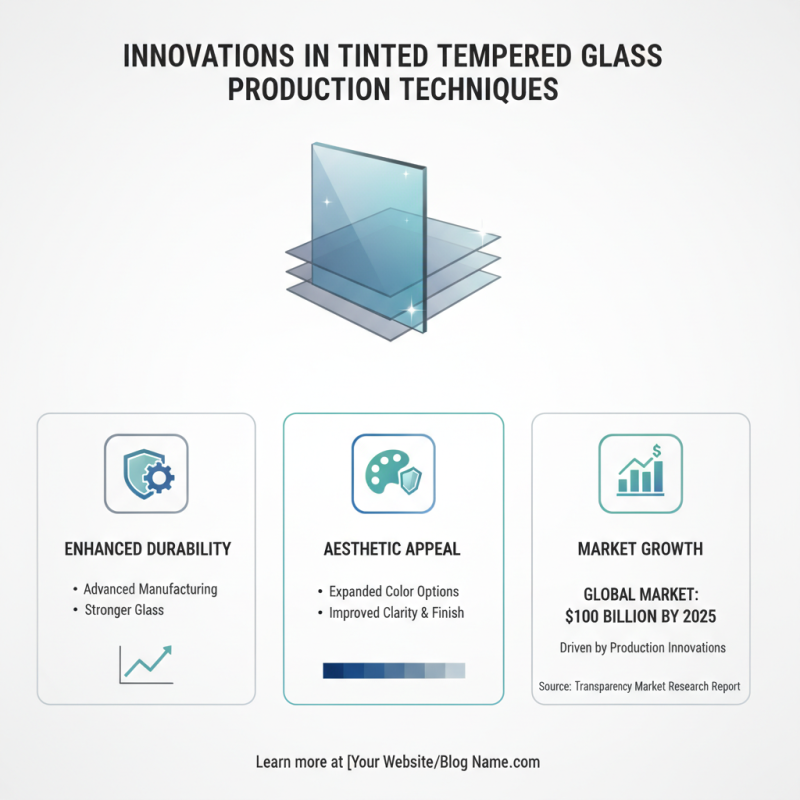
Innovations in tinted tempered glass production have transformed the industry. Recent studies indicate that advanced manufacturing techniques can enhance the durability and aesthetic appeal of glass. According to a report by Transparency Market Research, the global tempered glass market is expected to reach $100 billion by 2025, driven by innovations in production methods.
Utilizing cutting-edge technologies like automated cutting and digital printing, manufacturers can achieve precise specifications. This ensures that tinted tempered glass not only meets structural requirements but also offers a unique visual experience. The trends show increasing demand for eco-friendly production techniques, a critical factor for sustainability in the glass industry. However, challenges remain. Many manufacturers struggle with achieving the perfect tint while maintaining optimal strength.
The integration of nanotechnology into the production process presents opportunities and concerns. While it enhances performance, the long-term effects on materials and health require further research. As the market evolves, continuous evaluation of these innovations is vital. Understanding their impact and effectiveness will be crucial for manufacturers aiming to lead the sector.
Environmental Impact and Sustainability in the Tinted Glass Industry
The tinted glass industry plays a crucial role in environmental sustainability. Tinted Tempered Glass, a popular architectural choice, offers benefits beyond aesthetics. It reduces glare and controls heat. This leads to energy savings in buildings, allowing for lower energy consumption.
However, the production process poses challenges. Manufacturing tinted tempered glass involves materials that can be harmful if not managed properly. Companies must adopt responsible sourcing practices. They should also focus on reducing emissions during production.
Innovation in recycling methods is vital. Many manufacturers are exploring ways to reclaim and reuse glass materials. This can significantly minimize waste. The industry must continuously strive for greener technologies. Only by addressing these issues can the tinted glass sector enhance its sustainability practices.
FAQS
: Tinted tempered glass is a strong material used in architecture. It controls heat and glare effectively.
It blocks harsh sunlight while allowing light in. This helps maintain comfortable indoor temperatures.
Yes, it offers privacy by obstructing outside views. However, this may limit natural light intake.
Yes, it is significantly stronger than regular glass. It withstands impact and thermal stress.
The initial cost can be high. Some builders might hesitate to invest in it due to this.
The demand is growing, especially in construction and automotive sectors. Many builders are opting for it.
Quality control remains a major issue. Not all manufacturers meet necessary production standards.
It reduces energy consumption in buildings. However, production can pose environmental risks if not managed well.
They should focus on responsible sourcing and explore recycling methods. Innovation is key to minimizing waste.
They need to research suppliers extensively. Checking feedback and certifications is essential for quality assurance.
Conclusion
This article provides an in-depth overview of the tinted tempered glass industry, highlighting its key features and relevance in modern architecture. Tinted tempered glass is celebrated for its ability to enhance aesthetic appeal while contributing to energy efficiency through solar control. The market trends indicate a significant growth trajectory for tinted tempered glass in China, driven by increasing demand for sustainable building materials and innovative architectural designs.
Moreover, the article examines the top manufacturers in the Chinese market, offering a comparative study to identify key players setting quality standards. It emphasizes the importance of quality certifications that ensure product reliability and safety. Additionally, advancements in production techniques are discussed, alongside considerations for environmental impact and sustainability, underscoring the industry's commitment to reducing its ecological footprint. Overall, tinted tempered glass emerges as a vital component in modern construction, balancing functionality with visual appeal.