- Home
- Products
- About Us
- Project
- Technical Advantage
- News
- Contact Us
Inquiry
Leave Your Message
Picking the right Greenhouse Glass really matters if you want your plants to thrive and create the best growing environment possible. Did you know that some industry reports suggest Greenhouse Glass can boost light transmission by up to 90%? That’s huge when it comes to photosynthesis and keeping plants healthy. The type of glass you choose not only impacts how much sunlight gets through but also plays a big role in temperature control and humidity inside the greenhouse, which are both super important. At QINHUANGDAO LIANYIDING GLASS CO., LTD., or LYD GLASS for short, we focus on making top-quality Tempered, Laminated, and Insulated glass. Being based in Qinhuangdao gives us an edge—our location allows us to ship quickly, which really cuts down logistics costs for our international customers. As more growers look for smarter, more effective greenhouse solutions, understanding the different types of Greenhouse Glass out there becomes pretty essential if you want to boost productivity and sustainability in your setup.
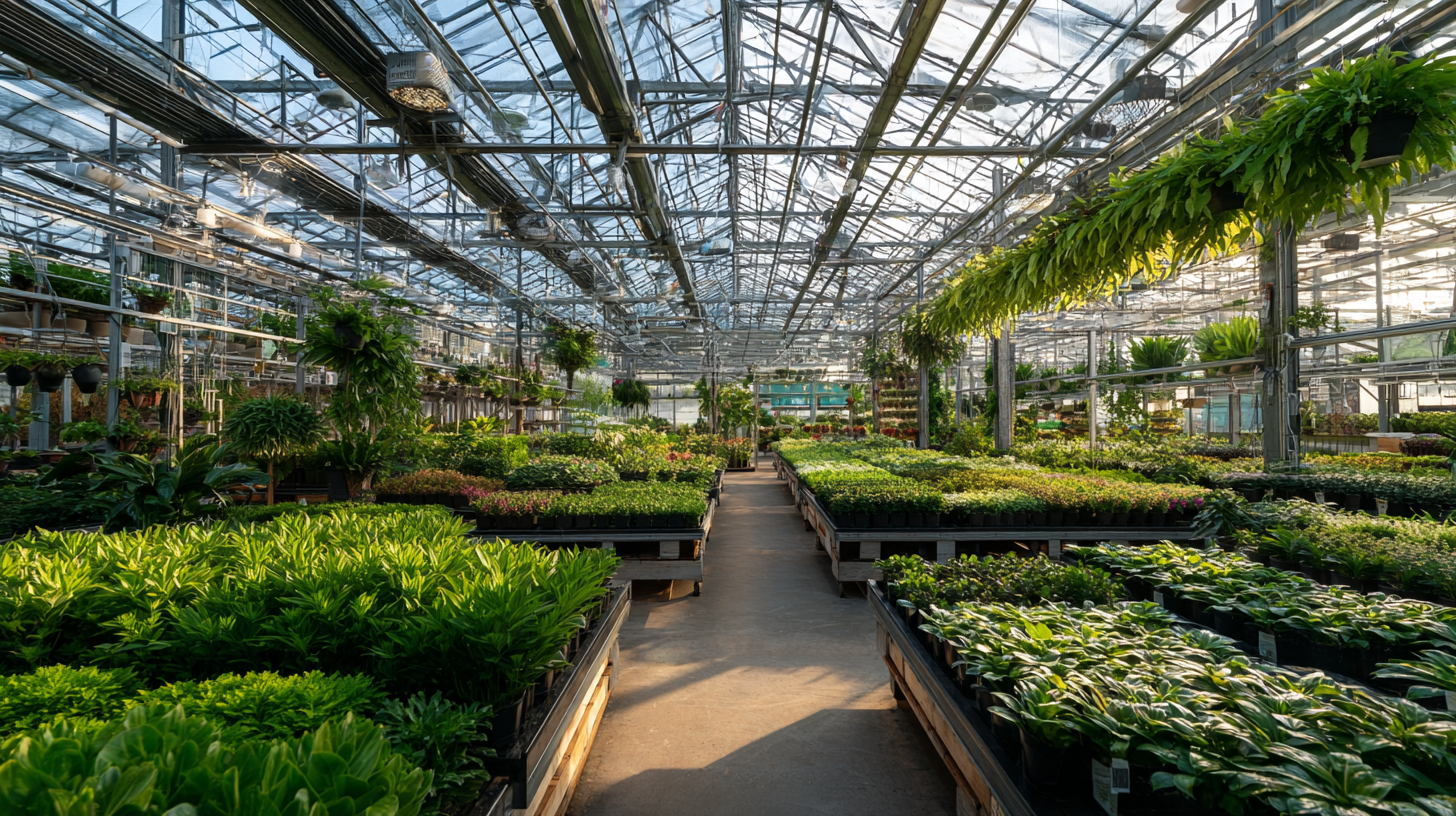
When you're trying to pick the right kind of glass for your greenhouse, it’s pretty important to know what options are out there. Two of the most common choices are tempered glass and polycarbonate. Tempered glass is really appreciated for being strong and durable — plus, it lets in about 90% of the light, which is awesome for plants. I came across a study from 2021 by the National Greenhouse Manufacturers Association that mentioned greenhouses with tempered glass had about 30% better photosynthesis rates compared to those using other materials. Pretty impressive, right?
On the flip side, polycarbonate panels are great if you’re concerned about insulation. They cut heat loss by almost half compared to regular glass, which is a lifesaver if you’re dealing with cooler weather. There was this comparison in the Journal of Agricultural Engineering that showed greenhouses with twin-wall polycarbonate could keep their temperatures more steady during winter — and that really helped the plants grow better during the colder months. So, when you’re figuring out what to use, it’s all about considering what kind of environment you want to give your plants so they can thrive and yield the most possible crops.
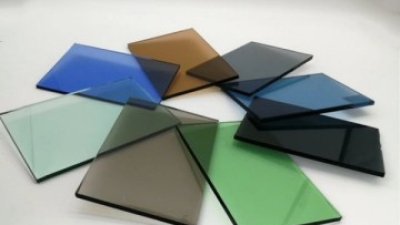
Colored Tempered Glass has become a pivotal element in modern design applications, merging function with aesthetic appeal. The versatility of colored toughened glass is evident in its wide variety of forms, from tinted glass, which is colored during its molten state using metal oxides, to more intricate methods like painted ceramic frit techniques. Manufacturers often offer standard shades such as green, blue, and bronze, yet the palette can be infinitely expanded to include custom colors tailored to specific design needs, relying on systems like RAL or Pantone for precise matching.
In addition to traditional tinting and painting, the advancements in digital printing technology have opened up new avenues for creativity. This method allows for detailed, multi-color designs to be transferred directly onto glass, resulting in unique patterns that enhance any space. Furthermore, Laminated Glass with colored interlayers provides structural integrity alongside visual richness; these interlayers come in a vast array of colors, making it easier for designers to achieve bespoke finishes that stand out. Recent industry reports indicate that this sector is experiencing a growth rate of approximately 6% annually, driven by an increasing demand for aesthetic enhancement in commercial and residential projects.
Customization is a hallmark of modern glass solutions, accommodating an array of sizes and shapes, including specialized cuts and drilled holes for specific applications. Manufacturers are not only focused on design flexibility but also on efficient logistical options, providing FOB and CIF payment terms along with comprehensive insurance coverage to ensure that high-quality glass products reach their destinations safely and intact. As architects and designers continue to explore the potential of colored and Tinted Tempered Glass, this material stands poised to redefine boundaries in modern interior and architectural design.
: Insulation and energy efficiency are pivotal factors that directly influence plant growth when selecting greenhouse glass.
Double-glazed glass provides a superior barrier against heat loss compared to single-pane glass, helping to maintain steady temperatures for optimal plant development.
Low-E glass is coated with a transparent metallic layer that reflects heat back into the greenhouse while allowing sunlight to penetrate. It reduces energy loss, lowers heating costs during colder months, and creates a stable environment for plants.
Tempered glass is known for its durability and resistance to breakage, and it offers enhanced thermal performance, ensuring safety and energy efficiency in greenhouses.
The ideal thickness for greenhouse glazing typically ranges from 4mm to 6mm for tempered glass, providing durability while ensuring adequate light transmission essential for plant health.
Thicker glass offers better support against harsh weather conditions but can reduce light intake, so careful selection is necessary.
In areas with high winds or heavy snowfall, opting for 6mm or thicker glass can provide additional safety.
Advancements include insulated glass units that enhance performance, energy efficiency, and innovations such as self-cleaning glass to improve practicality for greenhouse applications.
Proper framing is essential to support the chosen glass thickness, enhancing structural stability and longevity of the greenhouse.
Researching the latest innovations in glass can provide options that offer both functionality and aesthetic appeal, maximizing the greenhouse’s efficiency and design.
Picking the right type of greenhouse glass is actually pretty important if you want your plants to thrive. It really affects how much light gets through, how well it insulates, and how durable it is over time. When you get a handle on the different kinds of glass out there—like tempered, laminated, or insulated—you can make smarter choices based on what your plants need. It's also worth paying attention to how much light the glass lets in because some options can boost sunlight exposure and help cut down on energy costs.
On top of that, good insulation and energy efficiency are key for keeping your greenhouse environment stable, which directly impacts how healthy your plants grow. It's smart to check how tough the glass is and if it can handle the weather—especially if you're dealing with harsh conditions. And don’t forget, the thickness of the glass matters too; it’s all about safety and making sure the structure holds up well. Here at QINHUANGDAO LIANYIDING GLASS CO., LTD., we make high-quality greenhouse glass tailored to these needs, helping you create a space that’s both productive and sustainable.
Hope that helps you get a clearer picture of what to look for!


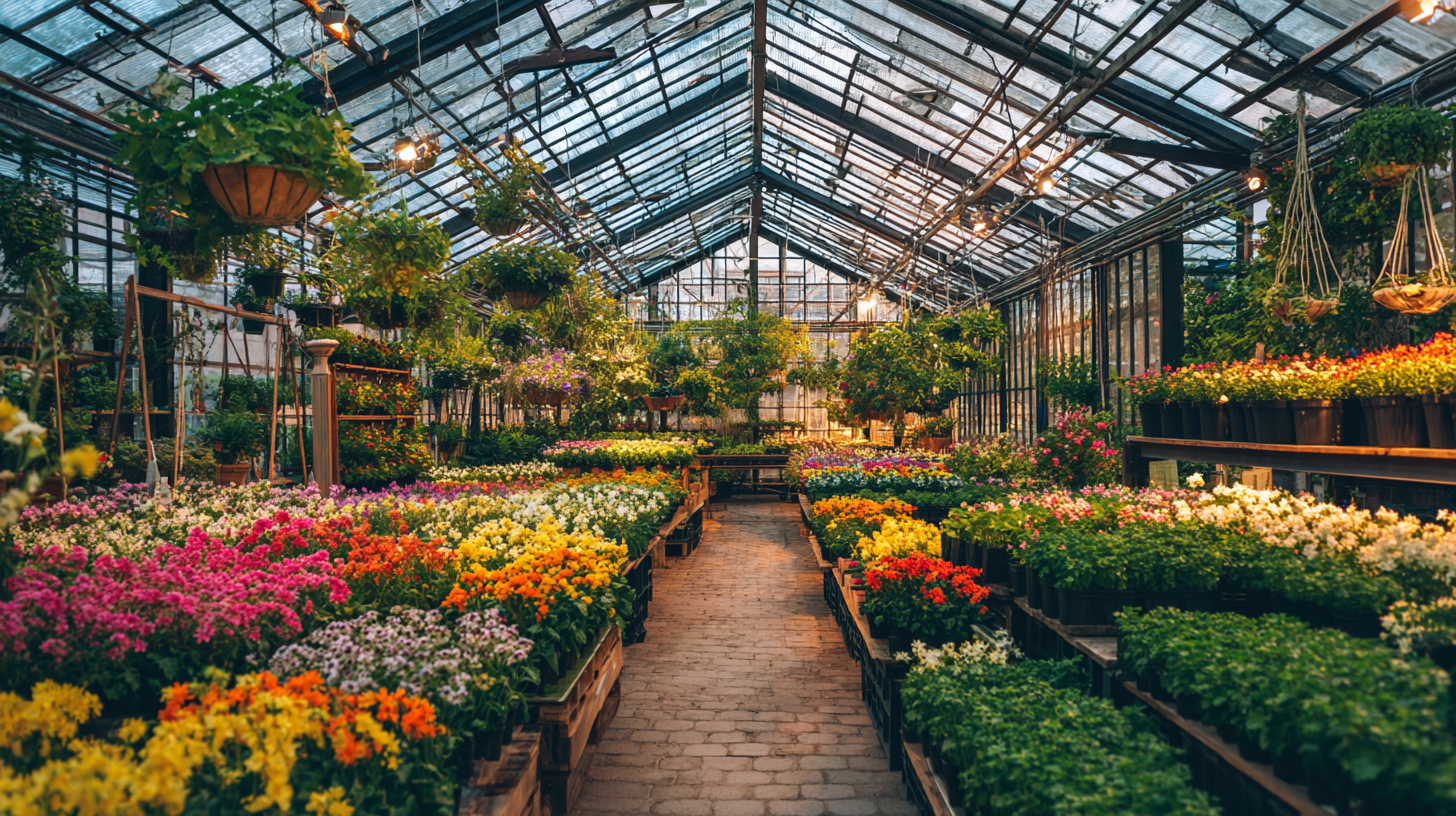 When you're choosing
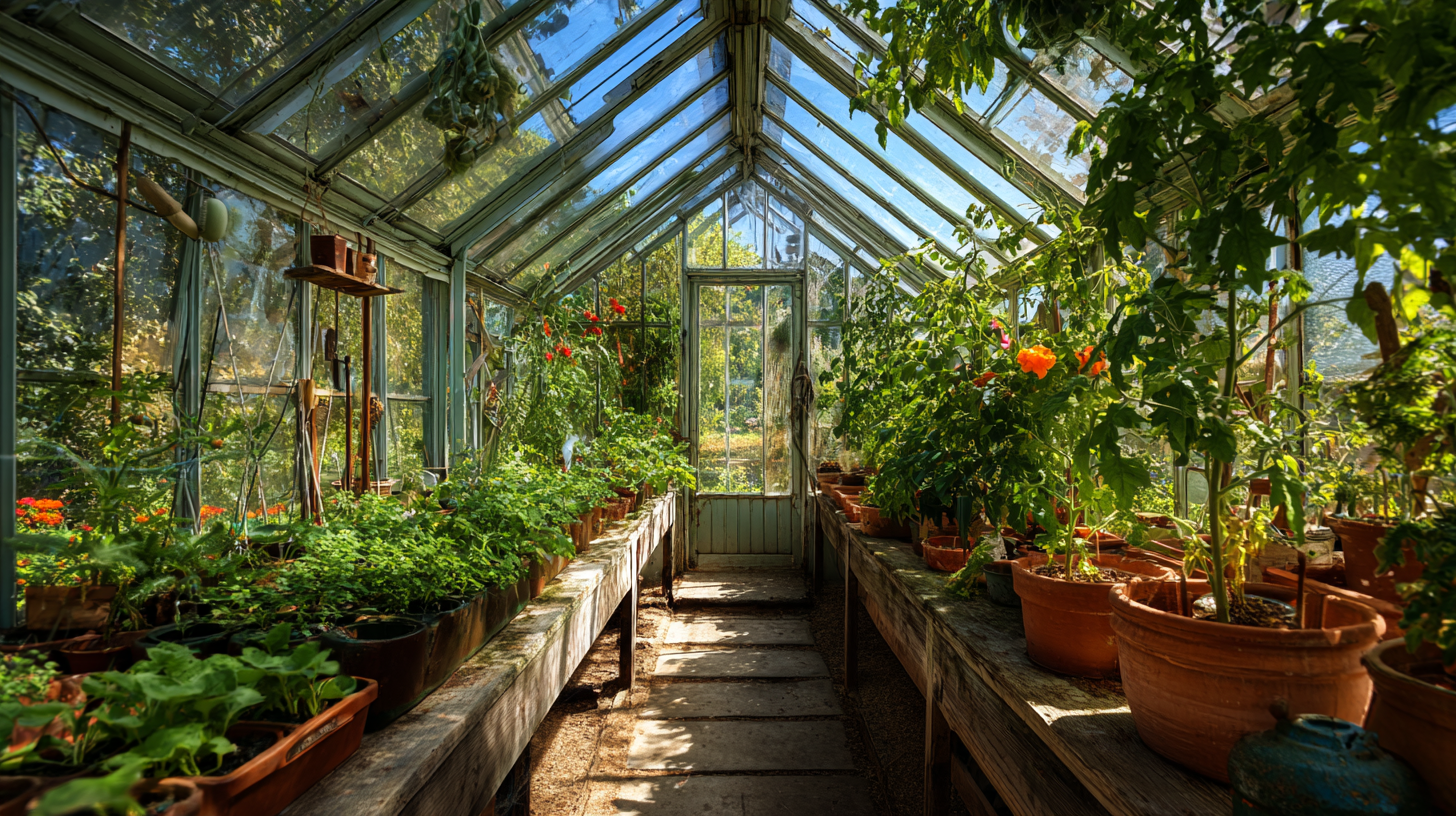 When you're picking out the right glass for your greenhouse, one thing you definitely want to keep in mind is how