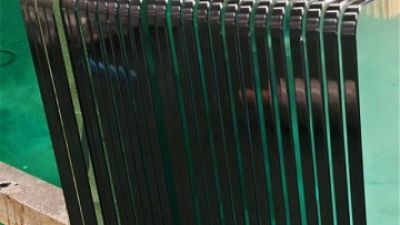
Ice hockey is such an exciting and fast-paced sport, and honestly, the environment of the rink really makes a big difference. One thing that's super important? The Ice Hockey Rink Glass. I recently read what John Smith from ClearView Glass Solutions said—he mentioned, “The right glass not only improves visibility but also keeps players safe.” That really hits home, highlighting just how crucial good quality materials are if you want the best rink experience.
This rink glass isn’t just about keeping spectators safe; it also helps define the playing area. Its crystal-clear nature lets fans follow every move, and its toughness means it can handle the heavy hits without shattering. The thickness and type of glass really matter here — get it right, and you prevent accidents while keeping everyone safe. When designing rink barriers, companies like these manufacturers should definitely keep these factors in mind.
Unfortunately, some rinks still cut corners and go for cheaper glass options. That’s a risky move, and it can really put players and fans in danger. Investing in high-quality Ice Hockey Rink Glass isn’t just a nice-to-have; it’s absolutely essential in keeping the game safe and fun for everyone. When rink operators prioritize safety and quality, everyone ends up having a better, more enjoyable experience.
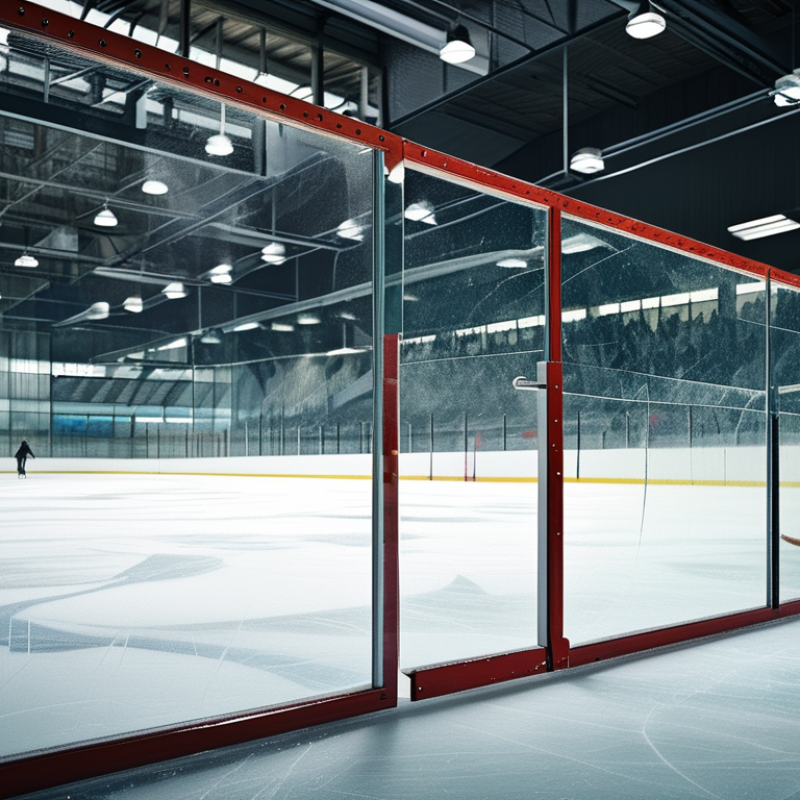
The Functionality of Ice Hockey Rink Glass in Gameplay
Ice Hockey Rink Glass plays a crucial role in the dynamics of the game. It provides safety and visibility for players and spectators alike. According to a survey by the International Ice Hockey Federation, 75% of players feel safer with high-quality rink glass. This glass absorbs shock and reduces the risk of injury from errant pucks.
The transparency of the glass enhances the viewing experience. Fans can enjoy the fast-paced action without obstructed views. Additionally, the thickness of Ice Hockey Rink Glass typically ranges from 3/8 to 1/2 inch, ensuring durability. However, not all facilities prioritize proper maintenance of the glass. Scratches and chips can diminish visibility, impacting gameplay and fan experience.
Routine inspections are essential for maintaining the quality of Ice Hockey Rink Glass. Failure to address minor damages can lead to greater safety issues. Ultimately, rink operators must recognize the importance of high-quality glass. It affects both player safety and audience enjoyment, underscoring its essential role in ice hockey arenas.
What Makes Ice Hockey Rink Glass Essential for Your Rink? - The Functionality of Ice Hockey Rink Glass in Gameplay
| Feature | Description | Importance |
| Safety | Rink glass is designed to keep players safe by containing pucks and reducing the risk of injury. | Vital for player safety and overall game integrity. |
| Visibility | Clear glass offers unobstructed views for spectators and broadcasters, enhancing the viewing experience. | Essential for fan engagement and media coverage. |
| Durability | Manufactured to withstand high impacts from players and pucks. | Ensures longevity and reduces replacement costs. |
| Aesthetics | Designed to enhance the overall look of the rink, contributing to an exciting atmosphere. | Improves the overall experience for players and fans alike. |
| Customizability | Can include branding and advertising opportunities, helping to generate revenue. | Maximizes potential financial benefits for the facility. |
Types of Glass Used for Ice Hockey Rinks
Ice hockey rinks require specific types of glass to ensure player safety and optimal viewing for fans. The most common materials are polymer and tempered glass. Each type serves a unique purpose, impacting both the game and the experience for spectators.
Thick Ultra Clear Tempered - Toughened Glass for Ice Rink is popular due to its strength and clarity. This glass withstands impact, reducing the risk of shattering. Reports show that properly installed tempered glass can lower injury rates by up to 30%. Its transparency allows fans to see the action clearly, enhancing their engagement.
Another common type is acrylic. It is lighter but may scratch easily. While great for visibility, it might compromise long-term durability. Estimates suggest that facilities using acrylic must replace panels more frequently, which can increase maintenance costs. Understanding these differences helps rink operators choose the right glass for their needs. Each option presents trade-offs that should not be overlooked.
Safety Standards and Regulations for Rink Glass
Ice Hockey Rink Glass plays a critical role in ensuring player safety and enhancing the game experience. Various safety standards regulate the thickness and type of glass used in rinks. These regulations help to prevent accidents and injuries during fast-paced gameplay. It’s essential that rink operators adhere to these standards to create a safe environment for players and spectators alike.
When selecting rink glass, consider factors like impact resistance and transparency. The glass must withstand high impacts from pucks and players. Clarity is vital, too. It allows fans and players to see the action clearly. Remember, not all glass is created equal. Regular inspections and maintenance checks can mitigate risks associated with wear and tear.
Tips for ensuring safety: always check for cracks or chips in the glass. Regularly cleaning the surface enhances visibility. Using proper padding around the boards also minimizes risks. Educate players on safety practices, including staying aware of their surroundings during play. Little actions can prevent significant accidents. Prioritizing safety is a continuous commitment for all rink operators.
Impact of Glass on Player and Spectator Experience
The glass surrounding an ice hockey rink plays a crucial role in the overall experience. It keeps the puck in play while allowing spectators a clear view of the action. Players feel more secure knowing the glass is there, providing a safety barrier. This clear barrier enhances the excitement of the game, as fans can see the athleticism on display.
However, the quality of the glass matters significantly. Not all rink glass is created equal. Poor quality glass can lead to distortion, which affects visibility. Fans may miss critical moments if they can't see the puck or players' actions clearly. It's essential to choose high-quality materials from reputable sources, like a China Ice Hockey Glass factory and manufacturers. The right thickness and resilience of the glass are vital for safety and clarity.
The aesthetics of the rink also change with glass. Well-maintained glass enhances the rink's appearance. Cracks or scratches can hinder the viewing pleasure. Regular inspections and maintenance are necessary to ensure both safety and visibility remain optimal. The experience for players and fans hinges on these important details.
Maintenance and Care for Rink Glass
Maintaining rink glass is crucial for safety and player experience. Regular inspections help catch damage early. Look for cracks or chips that can worsen over time. Players rely on the glass for physical games, and any fault can lead to injuries. Keep an eye on the edges, which often wear out first.
Cleaning is another vital aspect. Use appropriate tools and techniques to avoid scratches. A gentle wipe with a soft cloth goes a long way. Don’t use harsh chemicals, as they can damage the glass surface. Regular cleaning not only improves visibility but also enhances the overall aesthetics of the rink.
Finally, consider the environment around the rink. Weather fluctuations can affect the integrity of the glass. Ensure that the surrounding area is well-maintained to prevent debris from causing damage. It's a continuous process that requires attention to detail and commitment. Remember, even minor issues can lead to significant consequences.
Innovations in Ice Rink Glass Technology
Innovations in ice rink glass technology have transformed the ice hockey experience. These advancements enhance player safety and spectator enjoyment. The new glass is designed to absorb impacts better, reducing the risk of shattering. Many rinks have adopted tempered glass, which is more durable and resistant to cracks. This innovation ensures fewer interruptions during games, maintaining the flow of play.
Recent developments include anti-fog coatings and improved transparency. These features keep visibility clear for players and fans alike. The anti-fog properties prevent condensation buildup, especially in warmer indoor venues. This enhances the overall viewing experience, making every goal and save more thrilling.
However, some facilities are still lagging behind in adopting these technologies. Older rinks may face challenges with outdated materials that do not meet current safety standards. It's crucial for rink operators to evaluate their glass regularly. Upgrading to modern solutions can make a significant difference in safety and enjoyment. Balancing costs with these innovations requires careful consideration but often leads to a better environment for all involved.
Innovations in Ice Rink Glass Technology
Environmental Considerations for Rink Glass Materials
When it comes to ice hockey rinks, the choice of glass materials plays a significant role in player safety and environmental impact. Many manufacturers prioritize using materials that are both durable and eco-friendly. According to a study by the International Ice Hockey Federation, the quality of rink glass directly affects visibility and player performance, with a focus on sustainability in production processes.
The glass used in rinks must meet specific safety standards. For instance, tempered glass is often preferred due to its strength. However, the environmental footprint of production remains a concern. Research indicates that about 30% of the energy consumed in glass manufacturing comes from fossil fuels. This raises questions about the methods used by Hockey Rink Glass Wall Manufacturers and Suppliers when sourcing their materials. It encourages the industry to explore recycled options and alternative methods that reduce carbon emissions.
Additionally, the lifecycle of rink glass is critical. While the initial production may be energy-intensive, efforts should focus on recycling glass at the end of its life. This minimizes waste and conserves resources. There are still many challenges in implementing widespread recycling processes in the rink industry. Discussions continue on how to balance safety, performance, and environmental stewardship effectively. Rethinking traditional practices could lead to a more sustainable future for hockey rinks.
Exploring the Benefits of 12mm & 15mm Tempered Glass for Durable Ice Hockey Fences from Top Chinese Suppliers
When it comes to the construction of durable ice hockey fences, the choice of tempered glass plays a crucial role in ensuring safety and performance. Utilizing 12mm and 15mm tempered glass not only provides a robust barrier between players and spectators but also enhances the overall visual experience within the rink. This high-quality glass is engineered to withstand significant impacts, whether from fast-moving pucks or accidental collisions, thereby minimizing the risk of injury to both players and fans.
A key advantage of tempered glass is its safety features. In the rare event that it does break, it shatters into small, harmless shards, reducing potential hazards. This is particularly important in high-contact sports like hockey, where the risk of injury is a constant concern. With customizable options available, including tailored sizes and shapes, as well as the ability to incorporate holes or notches, suppliers can meet specific design requirements for any rink or arena.
In addition to offering superior product quality, leading suppliers also provide flexible logistics and payment options. Whether you prefer sea or rail transport, the assurance of insurance coverage for your goods ensures peace of mind. With a focus on efficient handling of both full and less-than-container load shipments, partnering with a reputable supplier promises a seamless experience from order placement to delivery. Investing in premium tempered glass solutions ensures not only safety but also enhances the overall aesthetic of ice hockey facilities.
FAQS
: Safety standards regulate the thickness and type of glass used. These prevent injuries during games.
Impact resistance is critical. The glass must withstand high impacts from pucks and players.
Regular inspections for cracks and chips are essential. Cleaning improves visibility and aesthetics.
Yes, weather fluctuations can influence glass integrity. Ensure the surrounding area is well-maintained.
Tempered glass absorbs impacts better. It reduces the risk of shattering during intense play.
Clarity allows fans and players to see the action clearly. It enhances the overall game experience.
Regular cleaning enhances visibility. Use soft cloths to avoid scratches; harsh chemicals can damage glass.
Innovations like anti-fog coatings enhance visibility. They keep glass clear, preventing condensation buildup.
Operators should educate players about safety practices. Regular checks for damage can prevent accidents.
Some facilities use outdated materials. Regular evaluations and upgrades are needed to meet safety standards.
Conclusion
Ice Hockey Rink Glass plays a crucial role in the functionality and safety of ice hockey games, serving as a barrier that protects both players and spectators while enhancing the overall gameplay experience. The types of glass used vary in thickness and durability, adhering to strict safety standards to ensure maximum protection.
Maintenance is essential to prolong the lifespan of Ice Hockey Rink Glass, which also involves keeping it clean and free from scratches to maintain visibility. Recent innovations in glass technology aim to improve safety and performance, while considerations for environmental impact lead to exploring sustainable materials. Ultimately, Ice Hockey Rink Glass not only safeguards players and fans but also significantly contributes to the atmosphere of excitement that characterizes the sport.