Leave Your Message
0%

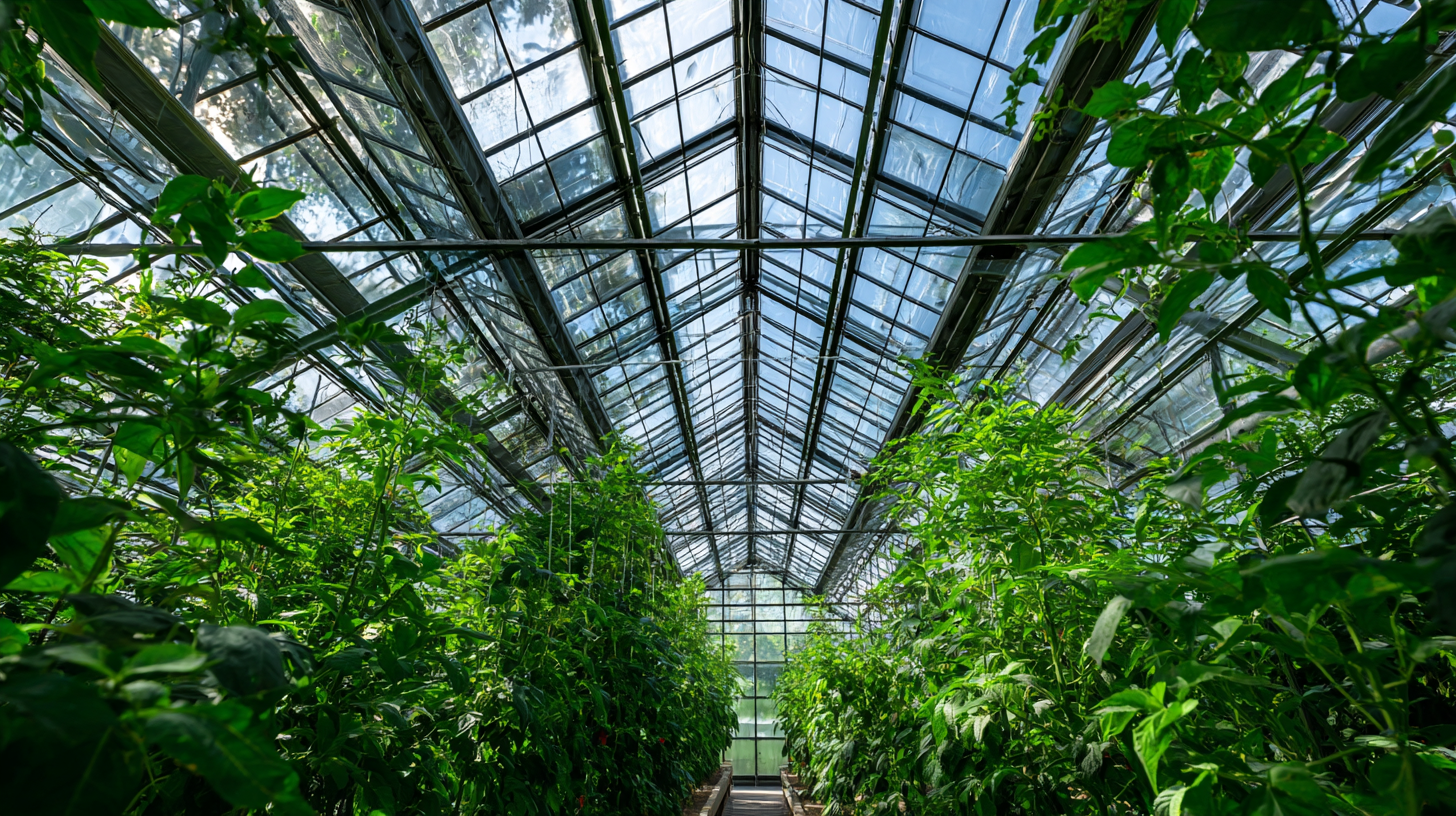
You know, in recent years, it really feels like people are finally waking up to how important it is to choose the right kind of Greenhouse Glass. It’s not just aboutletting in light anymore — it’s about optimizing plant growth while also saving energy, which is pretty cool. I came across this report from Grand View Research, and it’s pretty eye-opening — they’re saying the global greenhouse market could hit around 36.48 billion USD by 2025. That just goes to show how much folks are paying attention to sustainable farming practices these days.
How to Choose the Right Greenhouse Glass for Optimal Plant Growth and Energy Efficiency

The type of glass you use in a greenhouse makes a huge difference, honestly — it affects how well light gets through, how well it insulates, and overall climate control inside. All of that impacts your crop yields and how much energy you’re using. Companies like QINHUANGDAO LIANYIDING GLASS CO., LTD. (or LYD GLASS, as they’re often called), based in Qinhuangdao, are really pushing things forward by making top-notch tempered, laminated, and insulated glass. They cater to what modern greenhouses need.

Picking the right glass isn’t just about better plant growth — it can also mean saving on logistics costs and being kinder to the environment. Honestly, it’s a win-win for everyone involved.

Types of Greenhouse Glass: Comparison of Single, Double, and Triple Glazing

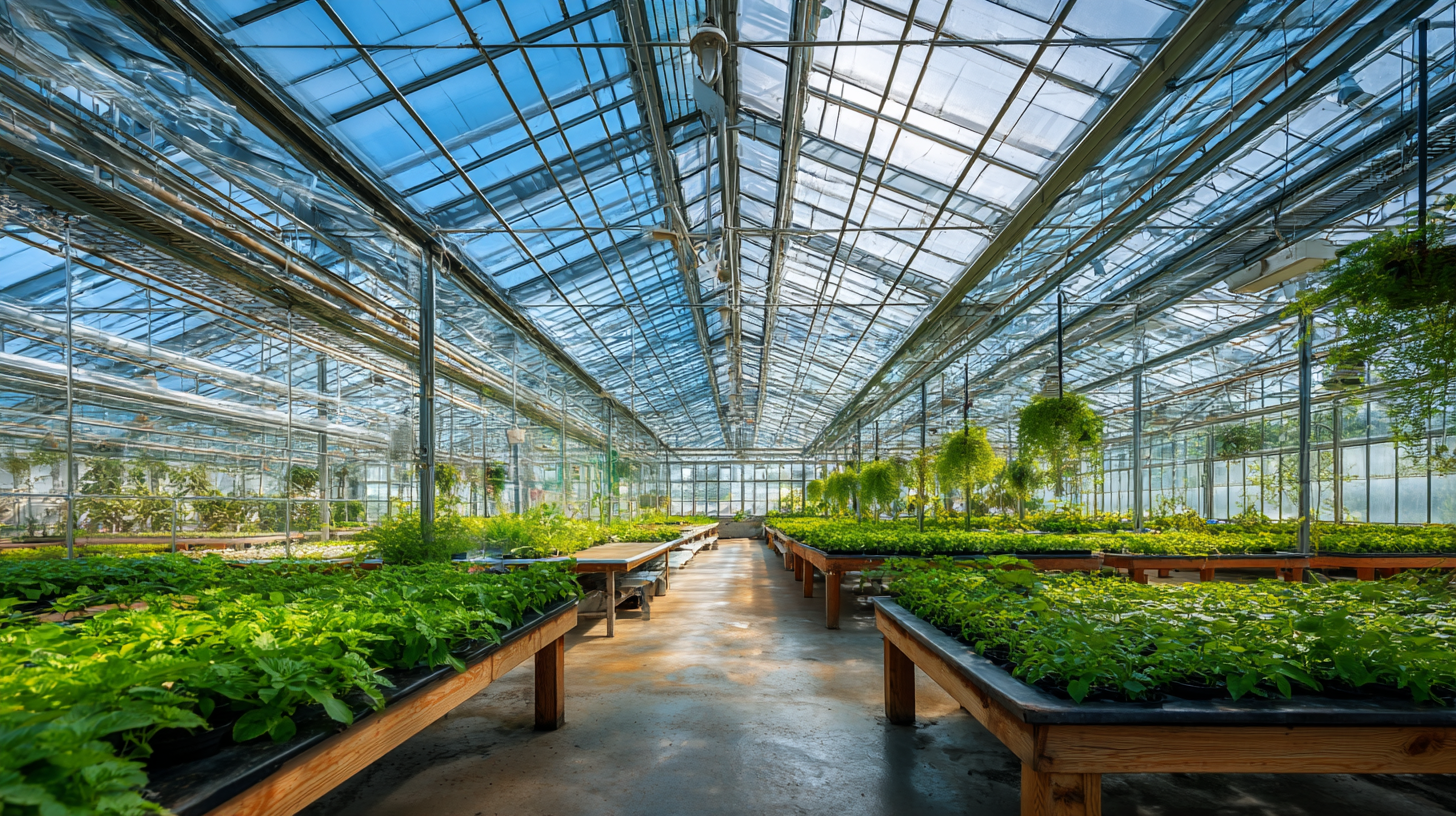
So, when you're picking out Greenhouse Glass, it's pretty important to understand the differences betweensingle, double, and triple glazing. Each has its own perks and quirks, especially when it comes to helping your plants thrive and keeping energy costs in check. Single glazing, for instance, is just a single sheet of glass—it's lightweight and usually cheaper. But here's the catch: it doesn’t insulate very well, so if you're in an area with pretty wild temperature swings, it might not cut it. You could end up shelling out more on heating during winter, and your plants might struggle a bit because the conditions aren’t super stable.
How to Choose the Right Greenhouse Glass for Optimal Plant Growth and Energy Efficiency

Then there's double glazing, which is quite popular. It’s basically two panes of glass with a little air gap in between. That makes a huge difference in keeping the heat in and reducing energy loss. It's perfect for places with chilly winters and hot summers because it keeps things more balanced. Plus, that extra layer helps block out some of the harsh UV rays, which plants really appreciate.

If you’re really serious about energy efficiency and want the best possible environment, triple glazing is the way to go. It adds another layer of insulation, so it keeps temperatures even more stable inside the greenhouse. Sounds fancy, and it can be a bit pricier upfront, but many growers find that the savings on energy bills and better growing conditions make it worth the investment—especially if you’re aiming for year-round harvests.

Impact of Light Transmission on Plant Photosynthesis and Growth Rates

You know, light transmission really plays a huge role when it comes to how efficiently plants can do photosynthesis. The kind of glass you choose for a greenhouse can make a big difference in how much natural light actually gets to the plants inside. Picking the right glass isn’t just about letting in as much light as possible—you also want features like UV filtering. That way, you’re protecting those delicate plants from too much radiation, and at the same time, helping them grow faster. For the best results, Greenhouse Glass should let through a wide range of light, especially the blue and red parts of the spectrum, which are super important forphotosynthesis.

Lately, there have been some pretty exciting innovations, like specialized chloroplast structures that make the most of available light. Scientists are even working on ways to help plants convert sunlight into energy more efficiently—kind of like fine-tuning their internal machinery. Plus, with the rise of LED grow lightsdesigned specifically for plants, we can give them that extra boost of light when natural sunlight isn’t enough, ensuring they get everything they need to stay healthy and grow quickly. Putting together the right type of Greenhouse Glass with smart lighting options really can create the perfect environment, helping plants thrive while keeping energy use in check.

Energy Efficiency Ratings of Different Glass Types for Greenhouses

When you're choosing Greenhouse Glass, one thing that really matters is its energy efficiency. It’s pretty much the key to helping your plants thrive while also keeping costs down. There are different kinds of glass out there, each with its own way of handling insulation and letting light in—which directly affects the environment inside your greenhouse. For example, double-glazed glass is a game-changer because it insulates way better than single-pane options. That means less heat escapes when it’s cold outside, helping you keep a steady, cozy climate for your plants.

On top of that, Low-E (low-emissivity) glass has been getting a lot of buzz. It's great because it reflects infrared rays while still letting in visible light. So, it helps keep things warm inside during winter without overheating your plants in the summer. Understanding the energy ratings of different glass types can really help you make smarter choices. Overall, it’s about creating a healthier environment for your plants while saving some cash on energy bills—can’t go wrong with that, right?

How to Choose the Right Greenhouse Glass for Optimal Plant Growth and Energy Efficiency

Glass Type Light Transmission (%) UV Protection (%) Insulation Rating (U-value) Durability Energy Efficiency Rating
Single Pane Glass 80% 10% 5.8 W/m²K Low D
Double Glazed Glass 70% 25% 2.8 W/m²K Medium B
Polycarbonate Sheets 85% 30% 3.6 W/m²K High A
Low-E Glass 75% 50% 1.6 W/m²K Very High A+
Acrylic Sheets 92% 70% 4.0 W/m²K High B+

Cost-Benefit Analysis of Various Greenhouse Glass Options

When you're trying to pick out the right glass for your greenhouse, it's pretty important to do a solid cost-benefit check on all your options. I mean, traditional glass is often the go-to because it’s sturdy and lets in a ton of light, which is great for your plants to thrive. But, let’s be honest—it's also kinda pricey to install and maintain, especially if you live somewhere with wild weather. Plus, standard glass doesn’t do much to keep heat in, so you might end up paying more to keep things warm during the colder months.

On the flip side, polycarbonate panels can be a smart, more energy-friendly pick. They usually cost less to put up and pack some serious insulation punch thanks to their layered structure, which helps cut down on heating costs over time. Yeah, the initial cost might be a bit higher compared to regular glass, but those energy savings and better insulation can really add up in the long run. And if you’re willing to spend a little extra, options like double-glazed or low-emissivity glass can boost performance even more—though they do come with a bigger price tag. Ultimately, it comes down to thinking about your climate, what kind of plants you’re growing, and your budget. All of these things will help you figure out which type of glass makes the most sense for your greenhouse.

Durability and Lifespan of Greenhouse Glass: Choosing the Best for Long-Term Use

When you're choosing Greenhouse Glass, things like durability and how long it lasts really matter — they directly impact your plants' health in the long run and can save you a bunch on energy costs. I read somewhere from the National Greenhouse Manufacturers Association that top-quality glass can stick around for 20 to 30 years if you take good care of it. But honestly, cheaper options tend to break down faster, which means less light gets through and you end up shelling out more for replacements. Going with tempered glass is usually a smart move — it’s much more resistant to impacts and temperature changes, so your greenhouse stays in good shape longer, giving your plants the best shot at growing strong.

On top of that, with all the tech advances in glass lately — like double glazingand special coatings that save energy — you can really boost how long your Greenhouse Glass lasts and how well it performs. For example, a study by theAmerican Society for Horticultural Science shows that double-glazed glass can cut energy use by up to 30%, which not only lowers your bills but also helps your setup last longer. So, if you invest in good, durable Greenhouse Glass, you'll create a more eco-friendly environment for your plants, which can lead to better yields down the line and save you some serious cash on the operational side of things.

Insulation Properties and Their Effect on Temperature Regulation in Greenhouses

You know, the insulation qualitiesof Greenhouse Glass really make a big difference when it comes to creating the perfect environment for plants to thrive. If you get it right, the right kind of glass can help keep temperatures steady and that makes a huge impact on how well your plants grow and produce. High-insulation glass is great because it cuts down on heat escaping during those chilly nights, which keeps things warmer and helps the plants’ metabolism stay on point. In colder spots, going fordouble-glazed or low-E (low-emissivity) glass can really be a game-changer, letting you grow plants all year round without worrying too much about the weather outside.

How to Choose the Right Greenhouse Glass for Optimal Plant Growth and Energy Efficiency

But it’s not just about the insulation, you know. The kind of glass you pick also affects other things, like how much light gets through. Some types are designed to filter certain wavelengths of sunlight — which can boost photosynthesis and prevent the greenhouse from overheating during hot days. That’s why choosing the right glass isn’t just a matter of insulating; it’s about balancing heat retention with good light transmission. If you pick the wrong kind, you might end up using too much energy or even stress your plants. So, finding that sweet spot between insulation and light is super important if you want to keep your greenhouse both energy-efficient and a perfect home for your plants.

Exploring the Benefits and Applications of High-Impact Protective Laminated Glass in Modern Architecture

High-impact protective Laminated Glass serves as a transformative element in modern architecture, offering a multitude of benefits that are indispensable in today's construction landscape. This type of glass is composed of several layers bonded together with a specially engineered interlayer, a process that ensures the glass remains intact even when shattered. This characteristic significantly enhances safety by reducing the risk of injury caused by falling shards. Moreover, the diversity of Laminated Glass types, created using various combinations of glass and interlay options, allows architects and designers to cater to specific strength and security needs of their projects.

Customization plays a pivotal role in the application of laminated glass, making it an excellent choice for contemporary architectural designs. Clients can request glass panels in a range of sizes and shapes, with customizable thickness and color options for the PVB interlayer, offering aesthetic flexibility alongside functional performance. The professional approach to logistics ensures a seamless experience for clients, whether the mode of transportation is by sea or rail. With insurance coverage for the goods and careful handling during loading by an experienced team, the commitment to quality and safety extends throughout the entire procurement process.

FAQS

: What are the differences between single, double, and triple glazing in greenhouse glass?

: Single glazing consists of one pane of glass and is affordable but offers minimal insulation. Double glazing features two panes with an insulating air gap, providing better thermal efficiency and UV protection. Triple glazing includes three panes, offering the best insulation and temperature stability, making it a suitable but more expensive option for serious horticulturists.

Which type of glazing is best for extreme temperature fluctuations?

For areas with extreme temperature fluctuations, double or triple glazing is recommended as they offer better insulation and energy retention compared to single glazing, which is less effective and can lead to higher heating costs.

How does light transmission impact plant growth in greenhouses?

Light transmission is critical for photosynthesis, as it determines how much natural light reaches the plants. The right type of greenhouse glass maximizes light transmission and UV filtration, which are essential for optimal growth rates.

What light wavelengths are most beneficial for plant photosynthesis?

The blue and red wavelengths of light are particularly beneficial for photosynthesis, and greenhouse glass should allow a broad spectrum of light to support healthy plant growth.

How does double glazing improve energy efficiency compared to single glazing?

Double glazing reduces heat loss due to its insulating air gap between the two panes, significantly improving thermal efficiency and making it more suitable for regions that experience both cold and hot weather.

Can greenhouse technology innovations affect plant growth?

Yes, recent innovations in greenhouse technology, such as advanced chloroplast structures and tailored LED lighting, enhance light absorption and ensure plants receive adequate light levels for healthy growth.

What should be considered when selecting greenhouse glass?

Factors to consider include the climate of the area, the type of plants being grown, the desired energy efficiency, and the importance of UV protection and light transmission capabilities.

Is the investment in triple glazing justified for horticulturists?

While triple glazing may have a higher initial cost, the long-term energy savings and improved growing conditions can justify the investment for serious horticulturists aiming to maximize their yields year-round.

Conclusion

Picking the right kind of greenhouse glass isn’t just a small detail — it’s pretty much key when it comes to helping your plants thrive and saving energy at the same time. In this article, we dive into the different types of greenhouse glass out there — like single, double, and triple glazing — and break down how each one affects light transmission. That’s a big deal because it directly impacts how well your plants can photosynthesize and grow. We also look at the energy efficiency ratings for each type, and do a little cost-benefit analysis to give you a clearer idea of what’s worth it. Of course, durability and lifespan matter too — investing in good quality glass can save you money and headaches down the line.

Another thing to consider is how well these different glazings insulate, which plays a huge role in maintaining a steady temperature inside. That’s super important for creating the perfect environment for your plants to flourish. Luckily, companies like QINHUANGDAO LIANYIDING GLASS CO., LTD. offer high-quality options like tempered, laminated, and insulated glass, so you can pick what fits your space and needs best. With all these tips in mind, you'll be well on your way to choosing the greenhouse glass that sets your plants up for success.

Lily

Lily

Lily is a dedicated marketing professional at LYD GLASS, situated in the vibrant city of Qinhuangdao. With a keen understanding of the glass manufacturing industry, she specializes in promoting the company’s core products, including Tempered glass, Laminated glass, and Insulated glass. Lily’s......
Previous Leading Global Manufacturer of Premium Tempered Glass Printing Solutions