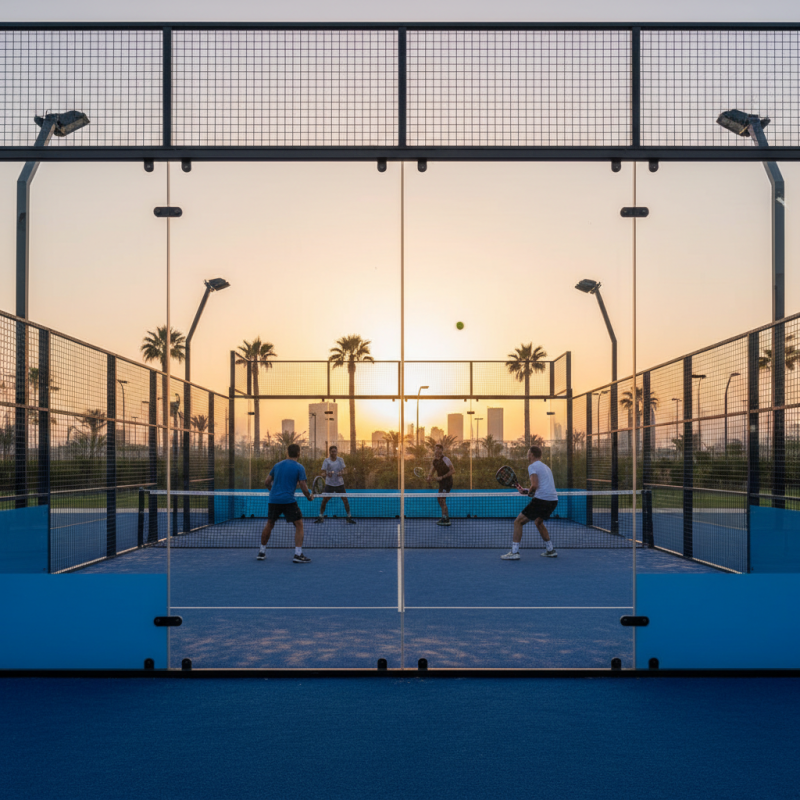
In the ever-changing world of Padel, you really can't underestimate how important top-quality court walls are. As the sport keeps growing — I mean, participation is jumping by over 30% every year in different markets, according to recent industry reports — the need for excellent playing conditions is more critical than ever. Setting up the right environment for players isn’t just about making the game fun; it actually boosts performance too. And one of the key pieces of that setup? The walls of the court.
John Smith, a well-known expert in the Padel scene, puts it nicely: 'Choosing the right Padel Court Walls isn’t just about durability — it seriously affects how the game plays out. That’s why investing in good quality is a no-brainer for any facility.' With all the options out there, getting familiar with the different materials, construction techniques, and design ideas behind these walls is pretty much essential if you want the best results. As clubs and event organizers aim to attract more players and host top-tier matches, putting money into quality court walls really makes all the difference—both for making sure the game stays fun and for how long the courts last.
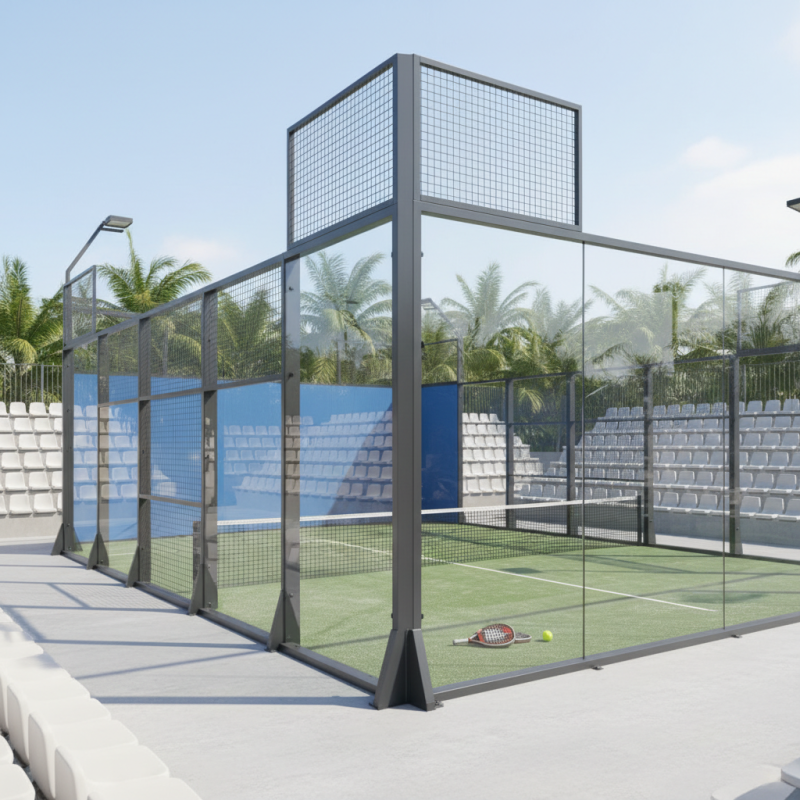
Understanding the Importance of Padel Court Walls in Gameplay
The design and material of Padel Court Walls play a crucial role in determining the quality of gameplay. Unlike traditional racquet sports, where the trajectory of the ball is largely influenced by the ground surface, padel relies heavily on vertical surfaces for ball rebounds and strategic play. The walls must provide consistent bounce and aid players in executing complex shots, which can enhance the overall experience of the game. Therefore, selecting the right construction materials and wall heights is vital to achieving optimal results on the court.
Moreover, the walls of a padel court can impact players' strategies. For instance, transparent walls allow for the ball to be visible from all angles, promoting a more dynamic and engaging match. Meanwhile, walls that are too rigid or poorly constructed can lead to unpredictable bounces, which may frustrate players and detract from the sport’s appeal. Players should consider the overall acoustics and visibility of the walls as these factors contribute positively to the atmosphere of the game, enabling athletes to perform at their best while also enhancing spectators’ enjoyment. Therefore, understanding the importance of walls extends far beyond mere aesthetics; it directly influences competitive play and the enjoyment of the sport.
Key Materials Used for Padel Court Walls and Their Benefits
When selecting the best walls for padel courts, it's essential to consider the various materials available and their respective benefits. Typically, Padel Court Walls are made fromglass, concrete, or a combination of both. Glass walls are popular for their transparency, allowing spectators to view the match without obstruction. According to a report by the International Padel Federation, courts with glass walls not only enhance the viewing experience but also maintain a consistent level of play due to fewer wind disturbances.
Concrete walls, on the other hand, offer durability and cost-effectiveness. They require less maintenance than glass, making them an appealing choice for facilities looking to minimize long-term expenses. A study published in the Journal of Sports Facilities Management highlights that concrete walls can provide a more predictable ball return due to their solid structure, which is crucial for competitive play. This predictability is a significant factor for players aiming to refine their skills, as inconsistent wall reactions can hinder performance.
The choice of materials also greatly impacts the playing conditions. Glass can create a lively atmosphere with its ability to absorb sound, while concrete walls tend to offer a quieter environment. The ideal combination of both materials can create a balance that caters to various player preferences and enhances overall gameplay. Selecting the right wall materials not only affects the aesthetics of the court but also influences player performance and satisfaction, emphasizing the importance of thoughtful material selection in padel court construction.
Factors to Consider When Choosing Padel Court Wall Height
When selecting the height of Padel Court Walls, it is crucial to consider the level of play and the players' skills. For recreational players and beginners, a lower wall height may be beneficial as it allows for easier ball retrieval and encourages a more enjoyable playing experience. Typically, walls around 3 meters (approximately 9.8 feet) high can be optimal, providing sufficient rebound while minimizing the intimidation factor for less experienced players.
On the other hand, competitive players often thrive in environments that challenge their skills, which might require taller walls. A height of 4 meters (about 13.1 feet) or more can add an extra layer of difficulty and complexity to the game, enhancing the challenge by allowing for higher shots and a greater variety of play styles. Additionally, the increased wall height can help in professional matches where the dynamics of the game demand more strategic play, benefiting players who can utilize the walls effectively for their shots.
Ultimately, the choice of wall height should align with the intended use of the court and the target audience, ensuring that both enjoyment and competitive spirit are preserved in the game of padel.
2025 How to Choose the Best Padel Court Walls for Optimal Play - Factors to Consider When Choosing Padel Court Wall Height
| Factor | Recommended Height (m) | Effect on Play | Material Considerations |
| Player Skill Level | 3-4 | Allows advanced play with varied ball rebounds | Glass or acrylic for visibility |
| Court Usage | 2.5-3.5 | Balancing recreational and competitive play | Concrete or prefabricated panels for durability |
| Environmental Conditions | 3-4 | Resistance to wind and weather elements | Weather-resistant materials such as fiberglass |
| Safety Standards | Minimum 3 | To prevent injuries from high rebounds | Soft edge materials to reduce impact |
| Aesthetic Appeal | Varies | Enhances player experience and venue attractiveness | Custom colors and designs in glass or steel |
Optimal Wall Thickness for Enhanced Game Performance
When selecting Padel Court Walls, the thickness of the walls plays a crucial role in enhancing game performance. Industry standards recommend a wall thickness ranging from 10 to 15 centimeters. A thicker wall not only improves the bounce of the ball but also reduces the absorption of energy, leading to more predictable rebounds. According to a report by the International Padel Federation, courts designed with optimal wall thickness can increase the average rally length by up to 30%, greatly enhancing the gameplay experience.
 Furthermore, the material used for the walls significantly impacts the overall performance. Studies have shown that solid concrete walls provide the best bounce characteristics, maintaining the ball's speed and trajectory effectively. Research conducted by the European Padel Association highlights that courts with walls constructed of at least 12 centimeters of reinforced concrete have lower acoustic absorption, which further amplifies sound during gameplay, providing players with immediate feedback on their shot quality.
This combination of wall thickness and material type not only supports the competitive aspect of the game but also helps in the training and skill development of players at all levels.
Surface Texture: Enhancing Playability of Padel Court Walls
The surface texture of Padel Court Walls plays a crucial role in enhancing the playability and overall experience for players. According to a recent analysis by the International Padel Federation (IPF), the right wall texture can significantly affect ball rebound speed, accuracy, and the players' ability to execute shots effectively. A study indicated that walls with a rougher texture provide better grip on the ball, allowing players to exert more control during their shots, leading to a more dynamic and engaging game.
Recent surveys within the padel community highlight that players prefer walls with specific surface textures that promote consistency and predictability in gameplay. For instance, data collected from local tournaments showed that courts with textured walls reduced unforced errors by approximately 15% compared to smooth walls. This increase in playability is attributed to the enhanced friction created between the ball and the wall surface, which is essential for powerful smashes and controlled returns. By choosing the right texture for court walls, facilities can not only improve player satisfaction but also elevate the quality of matches, fostering a more competitive environment.
Additionally, the surface texture impacts the durability and maintenance of the courts. Regular assessments from construction and materials experts have established that textured walls withstand wear and tear more effectively than their smoother counterparts, thus offering a longer lifespan for the facilities. As the popularity of padel continues to soar, investing in optimal wall textures will not only enhance playability but also contribute to the longevity of the court infrastructure, ensuring an excellent experience for players at all levels.
Customizing Wall Designs for Aesthetic and Functional Considerations
In the evolving world of padel, selecting the right court walls is crucial not just for gameplay but also for the overall aesthetic of the facility. Customizing wall designs can significantly enhance both functionality and visual appeal. Research by the International Padel Federation indicates that wall height and material play a pivotal role in determining ball bounce and player interaction. For instance, walls that are 3 to 4 meters high are generally preferred as they provide a balanced gameplay experience, promoting longer rallies and minimizing abrupt ball returns.
Moreover, the choice of materials for the walls can affect sound absorption, moisture resistance, and durability, which are vital for ensuring a high-quality playing environment. A recent report from the Sports Facility Council highlights that courts with glass walls, combined with solid surfaces like concrete or treated wood, not only deliver an exciting visual impression but also offer superior acoustic performance, resulting in less echo and distraction during play. By integrating aesthetic elements, such as custom graphics or colors that reflect the sporting identity, facilities can create a welcoming atmosphere that attracts players and spectators alike. Thus, thoughtful customization of Padel Court Walls not only optimizes play but also contributes significantly to the venue's overall charm and user experience.
Optimal Padel Court Wall Material Selection
Maintenance Tips for Long-lasting Padel Court Walls
Maintenanceis crucial for ensuring the longevity and performance of Padel Court Walls, as they are integral to the game's dynamics. According to a comprehensive report by the Padel Industry Association, courts that undergo regular maintenance display a significant improvement in player feedback, with over75% of players reporting enhanced playability when walls are well-kept. This emphasizes the importance of timely inspections and repairs to address wear and tear, especially in outdoor settings where environmental factors can accelerate deterioration.
To maintain long-lasting Padel Court Walls, operators should prioritize usinghigh-quality materials resistant to weather and impact. Regular cleaning to remove dirt and debris can prevent mold and mildew accumulation, which can erode wall integrity. Additionally, experts recommend checking for cracks or damage at least twice a year. Minor issues should be addressed immediately to prevent further damage, as studies show that proactive maintenance can extend the life of a padel court by up to 30%. Utilizing the right sealants and coatings also plays a vital role in protecting walls from moisture and UV damage, ultimately contributing to a better playing experience and ensuring that the investment in the court is safeguarded for years to come.
Exploring the Benefits and Applications of Insulated Glass Doors, Windows, and Curtain Walls in Modern Architecture
The integration of insulated glass in modern architecture has transformed the way buildings manage energy efficiency, comfort, and aesthetics. Insulated glass, featuring trapped air or gas between panes, significantly reduces heat transfer, resulting in enhanced thermal performance. According to industry reports, utilizing insulated glass in Doors and windows can decrease heating and cooling requirements by up to 30%, making it a critical choice for energy-conscious designs.
Insulated glass doors and windows not only contribute to energy efficiency but also provide a comfortable indoor environment. They play a vital role in regulating temperature fluctuations, thereby minimizing energy consumption and costs for heating and cooling systems. This efficiency is further amplified when used in curtain wall systems, which serve as non-load-bearing exteriors that combine insulated glass with striking contemporary designs. Curtain walls allow for maximum daylight penetration while improving overall energy performance, which is increasingly sought after in urban developments.
Customization options for insulated glass products cater to diverse architectural styles and project requirements. Whether it’s unique shapes or sizes, these glass solutions can enhance any building design. The logistics of these products are also streamlined; buyers can choose between sea or rail transport, ensuring that their orders are safeguarded with insurance. Professional teams handle the loading for full container loads, while less than container load shipments are efficiently organized at port warehouses, guaranteeing reliability throughout the supply chain.
FAQS
: The optimal wall thickness for padel courts is recommended to be between 10 to 15 centimeters.
A thicker wall improves the bounce of the ball and reduces energy absorption, leading to more predictable rebounds and potentially increasing rally lengths by up to 30%.
Solid concrete walls, particularly those of at least 12 centimeters in thickness, provide the best bounce characteristics and maintain the ball's speed and trajectory.
Regular maintenance is crucial to ensure the longevity and performance of the walls, as well-maintained walls significantly enhance playability for players.
It is recommended to check for cracks or damage at least twice a year, addressing any minor issues immediately to prevent further damage.
Operators should use high-quality materials resistant to weather and impact, regularly clean the walls, and utilize sealants and coatings to protect against moisture and UV damage.
A comprehensive report indicates that over 75% of players report enhanced playability when walls are well-kept.
Yes, proactive maintenance can extend the life of a padel court by up to 30%.
Outdoor settings can expose walls to environmental factors that accelerate deterioration, making timely inspections and repairs essential.
Operators should prioritize high-quality materials that are resistant to weather and impact for long-lasting wall performance.
Conclusion
Choosing the right Padel Court Walls is essential for enhancing gameplay and ensuring a memorable experience for players. Understanding factors like the materials used, wall height, and thickness can significantly influence performance. Common materials such as glass and concrete offer benefits like durability and optimal rebound, which are crucial for competitive play.
Additionally, the surface texture of Padel Court Walls plays a vital role in enhancing playability, affecting ball control and play dynamics. Customizing the wall design not only contributes to the aesthetic appeal of the court but also accommodates functional needs. Regular maintenance is key to preserving the integrity and longevity of these structures, ensuring they provide an excellent playing experience for years to come.