Leave Your Message
0%

Picking the right Padel Court Walls is really important if you're setting up a facility. These walls aren’t just the boundary lines; they actually shape how the game feels. The materials you go with can really influence how players perform and how much fun they have. Honestly, a place with good-quality walls can attract more players pretty easily.

There are different kinds of Padel Court Walls out there. For example, glass walls give you great visibility and look pretty stylish, while concrete walls are super tough and long-lasting. The surface texture also makes a difference—smooth walls tend to speed up the game, making it more fast-paced, while rougher surfaces can slow things down a bit. Every type has its pros and cons, so it’s all about what suits your needs best.

Deciding on the right walls can feel a bit overwhelming. You should think about your local weather and where your facility is located—things like rain, sun, and temperature can really affect how long your walls last. It’s a good idea to chat with experts who know the ins and outs of these materials—they might offer advice you hadn’t thought of. Just keep in mind, these walls are a long-term investment, so making a smart choice now will pay off down the line.
How to Choose the Best Padel Court Walls for Your Facility?

Understanding the Importance of Padel Court Walls

How to Choose the Best Padel Court Walls for Your Facility?

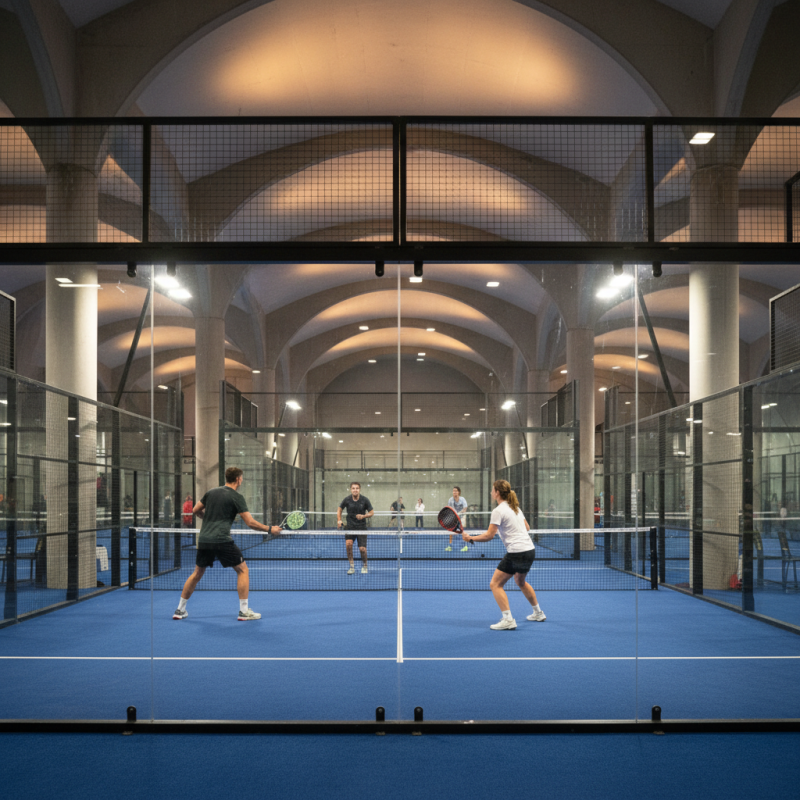
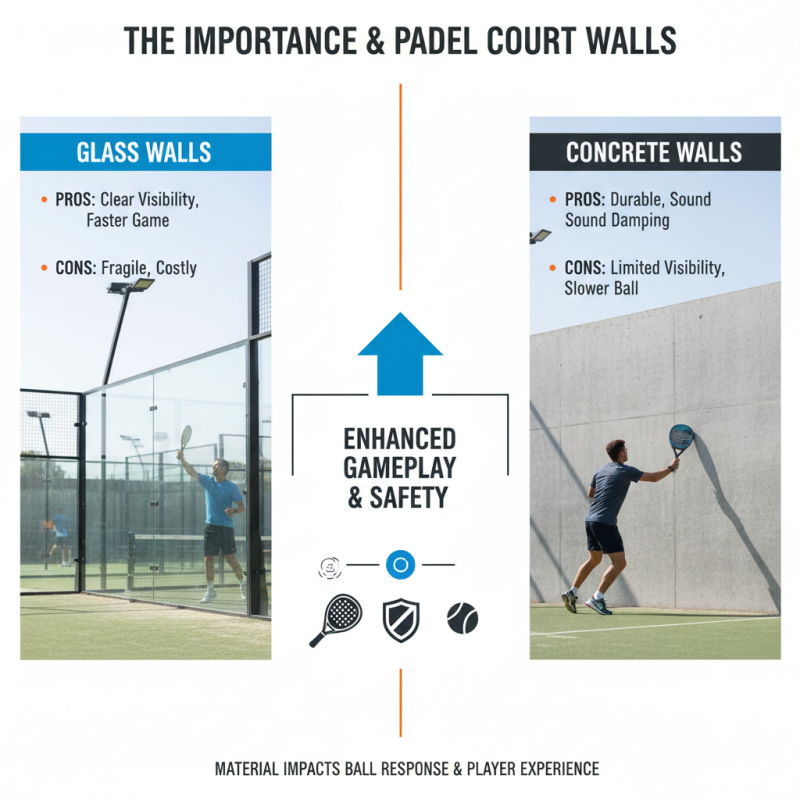
Padel Court Walls play a crucial role in the overall experience of the game. These walls must meet specific criteria to enhance gameplay while ensuring safety. The right material can significantly influence ball response. Common options include glass and solid concrete. Each type impacts player visibility and game dynamics differently. Glass walls offer clear sightlines but may be more prone to damage. Concrete walls are sturdy but can limit visibility.

Moreover, the height and thickness of the walls matter as well. Taller walls can prevent balls from going out of bounds, promoting continuous play. However, if they are too tall, they might create a feeling of confinement. Players often reflect on the need for balance. A spacious feel can enhance enjoyment.

Choosing the right walls requires experience and understanding of local climates. Weather can affect wall durability and player experience. In some cases, walls may need maintenance sooner than expected. It is essential to make informed decisions based on these factors. This ensures that the facility meets safety standards while optimizing the game’s integrity. Make it a point to involve experienced professionals when considering wall options for your padel courts.

Types of Materials Used for Padel Court Walls

When constructing a padel court, choosing the right wall material is crucial. The walls affect gameplay and player experience. Common materials include glass, concrete, and metal. Among these, Glass Walls For Padel Court gain popularity for their aesthetic appeal and functionality.


Glass walls offer visibility and light, enhancing the ambiance. They allow spectators to enjoy the action without obstruction. According to a comprehensive report by the International Padel Federation, courts with glass walls have seen a 25% increase in player satisfaction. However, maintaining glass can be challenging. It requires regular cleaning to prevent scratches and smudges.


Concrete and metal walls present different advantages. Concrete walls are durable and low-maintenance. However, they can absorb sound, resulting in a less vibrant atmosphere. Meanwhile, metal walls tend to be lightweight and easier to install. They can be less visually appealing than glass. Choosing the right material involves considering factors like maintenance, cost, and player preference. A balanced approach will ensure a successful facility that caters to athletes' needs.

Evaluating Wall Height and Thickness Requirements

Choosing the right wall height and thickness for your padel court is crucial. The wall height typically ranges from 3 to 4 meters. This range ensures a balance between gameplay and safety. Higher walls can provide a more challenging experience but may also intimidate beginners. Consider your target audience when deciding on the height.

Wall thickness should generally be around 10 to 15 centimeters. A thicker wall can enhance durability and withstand harder shots. However, it can increase construction costs and affect space design. It's essential to assess the long-term needs of your facility. Thicker walls might resonate more sound, impacting the playing environment.

Evaluate the materials used as well. Different materials affect both sound absorption and durability. A lack of adequate planning could lead to regrets later. Facilities with insufficient wall height may limit playability. It’s essential to ensure the walls facilitate enjoyable games while considering safety standards.

Wall Height and Thickness Requirements for Padel Courts

Assessing Durability and Maintenance Needs

How to Choose the Best Padel Court Walls for Your Facility?

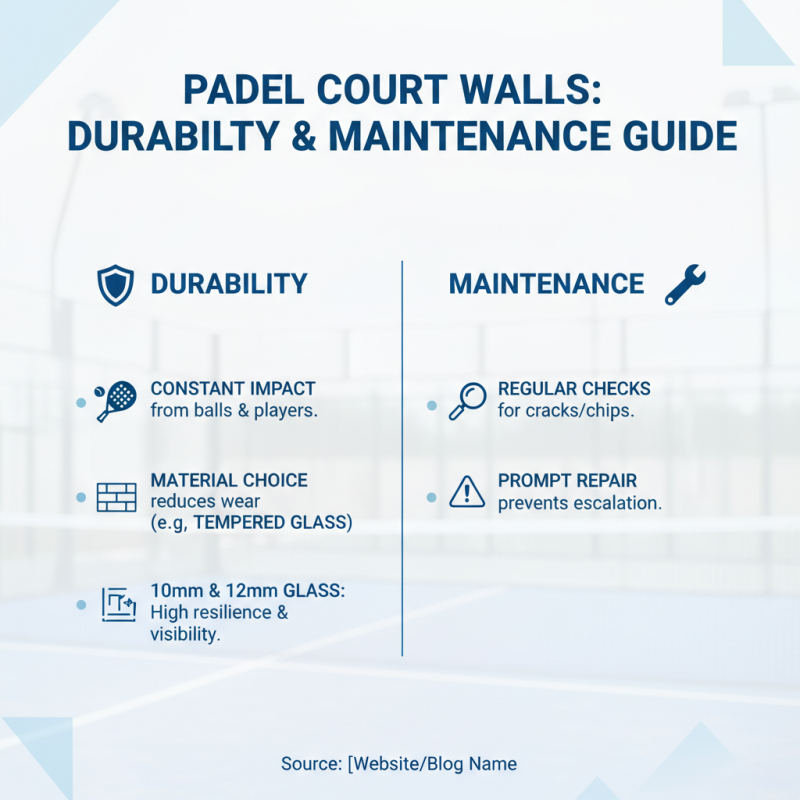
When selecting Padel Court Walls, durability and maintenance are crucial factors. The walls endure constant impact from balls and players, impacting their longevity. Choosing the right materials helps in reducing wear and tear over time. For instance, 10mm and 12mm tempered glass for padel tennis court offer stunning visibility and resilience. However, even glass has limitations. Regular checks are essential to identify cracks or chips, which can escalate if left unattended.

Maintaining the walls is equally significant. Dust and debris can accumulate, affecting the playing experience. A simple cleaning schedule can enhance performance and durability. Using eco-friendly cleaning agents can help—keeping walls clear without harming the environment. Nonetheless, wear is inevitable; thus, planning for replacements is wise. This proactive approach can prevent disruptions.

It's important to consider the climate of your area. Extreme weather conditions can affect wall integrity. Humidity can lead to rust on metal frames. In contrast, harsh sunlight can fade certain materials. A thorough assessment of these conditions helps in choosing the best options. Balancing aesthetics and functionality is key to a successful installation.

Considering Aesthetic Design and Visual Appeal

Aesthetic design plays a crucial role in selecting the best Padel Court Walls. The visual appeal of your facility can attract players and enhance their experience. When choosing wall materials, options like 10mm and 12mm tempered glass for padel court are popular. These choices provide safety and clarity, ensuring players can easily see the ball and fellow competitors.

Color and texture significantly impact the overall atmosphere. Consider how the walls complement the surrounding environment. Different shades can evoke specific emotions, influencing player performance. While clear glass offers a sleek look, colored options can create vibrant energy. It’s essential to balance aesthetics with functionality. Reflect on how wall designs might distract or motivate players.

Artistic elements can further enrich the space. Think of incorporating murals or graphics on walls. This can give your facility a unique identity. However, too many visual elements can overwhelm. It’s a delicate balance that requires thoughtful consideration. Take the time to experiment and adjust. Testing different designs can lead to unexpected yet beneficial results.

How to Choose the Best Padel Court Walls for Your Facility? - Considering Aesthetic Design and Visual Appeal

Wall Type Material Color Options Durability Maintenance Level
Glass Walls Tempered Glass Clear, Frosted, Tinted High Low
Concrete Walls Reinforced Concrete Gray, Painted Finishes Very High Medium
Steel Mesh Powder-Coated Steel Various Colors Medium High
Wooden Walls Softwood or Hardwood Natural Wood Finish, Stained Medium High

Analyzing Cost vs. Value for Different Wall Options

When selecting Padel Court Walls, understanding the cost versus value of different materials is crucial. Many facilities face budget constraints but also desire long-lasting quality. In this context,10mm and 12mm clear Tempered Glass for Padel Court options become significant. The thickness of the glass impacts durability, playability, and safety. Investing in thicker glass can initially strain budgets but often results in lower maintenance costs over time.

Choosing walls involves evaluating various factors like installation costs and player experience. Thinner walls might save money upfront but can lead to frequent replacements. On the other hand, high-quality glass walls provide better visibility and enhance gameplay, justifying their higher costs. Facilities must reflect on what they value—saving money today or investing in a premium product for the future.

Tips: Consider the location of your facility. Areas with extreme weather might need sturdier walls. Evaluate local demand for padel to determine how much you're willing to invest in your infrastructure. Regular maintenance checks can also prolong the lifespan of your chosen materials.

Exploring Compliance with Local Regulations and Standards

When selecting Padel Court Walls, ensuring compliance with local regulations is crucial. Each region has specific guidelines on materials, dimensions, and safety standards. For example, in Europe, the European Committee for Standardization (CEN) sets parameters that padel courts must meet. Ignoring these could lead to costly renovations or legal issues.

Construction standards suggest using materials like tempered glass or composite materials for walls. Reports show that safety standards are critical for minimizing injuries during play. According to a study by the International Padel Federation, courts adhering to official specifications can reduce accidents by 30%. This statistic emphasizes the importance of robust design choices aligned with regulatory frameworks.

Evaluating local regulations might feel overwhelming. Inspecting community codes and seasonal guidelines is essential. Some facilities overlook these details, leading to compliance failures. Regular consultations with local authorities can clarify doubts. Staying informed ensures that installations not only meet legal requirements but also enhance player experience and facility longevity.

The Essential Guide to Choosing 10mm and 12mm Clear Tempered Glass for Padel Courts: Benefits and Considerations

When choosing tempered glass for padel courts, the thickness is a critical factor that can significantly impact both performance and durability. Clear Tempered Glass options of 10mm and 12mm thickness are popular choices among manufacturers and court builders, providing an ideal balance between safety and playability. Measuring standard dimensions of 2995mm×1995mm and 1995mm×1995mm, these glass panels come equipped with 4-8 counter-bored holes that facilitate easy installation while ensuring a clean aesthetic with polished flat edges.

Customization is another key benefit to consider. Whether you need specific sizes, shapes, or even custom drilling and water-jet cutting notches, manufacturers can accommodate various requests to meet exact specifications. This flexibility allows for tailored solutions that fit unique court designs and specifications, ensuring that each installation is perfectly standardised and planimetric.

In terms of logistics, customers can opt for transportation by either sea or rail, providing various options to meet different shipping needs. Both FOB and CIF payment terms are available, with the added assurance that insurance will be purchased for the goods, protecting client investments throughout the transit process. The loading of cargo, whether full container load (FCL) or less than container load (LCL), is handled by a skilled professional team, ensuring that products are loaded safely and efficiently for delivery.

FAQS

: Why is durability important when selecting Padel Court Walls?

: Durability ensures walls withstand constant impact from balls and players, increasing their lifespan.

What materials are recommended for Padel Court Walls?

10mm and 12mm tempered glass are popular choices due to their visibility and resilience.

How can I maintain the walls effectively?

Regular cleaning with eco-friendly agents helps prevent dust buildup and maintains wall integrity.

What signs should I look for to assess wall damage?

Regular checks for cracks or chips are essential to prevent further damage over time.

How does climate influence padel court wall longevity?

Extreme weather can cause rust or fading, affecting the integrity and appearance of the walls.

How does aesthetic design impact player experience?

Visual appeal can attract players and enhance their enjoyment during games, influencing performance.

What role does wall color play in a padel court?

Different colors can evoke emotions, potentially boosting or hindering player focus and energy.

Are artistic elements beneficial for Padel Court Walls?

Incorporating murals can create a unique identity but should be balanced to avoid overwhelming players.

Why should I plan for wall replacements?

Wear is inevitable, so proactive planning ensures minimal disruption during maintenance activities.

How can I test different wall designs?

Experimenting with colors and textures can reveal surprising effects on player motivation and enjoyment.

Conclusion

When selecting Padel Court Walls for your facility, it’s essential to understand their significance in both gameplay and safety. The choice of materials, such as glass or concrete, impacts not only the wall's durability and maintenance needs but also its aesthetic appeal. Evaluating the appropriate wall height and thickness is crucial to ensure compliance with local regulations and to enhance player experience.

Additionally, an analysis of cost versus value for different wall options will help in making an informed decision. Balancing these factors ensures that the chosen Padel Court Walls meet the functional requirements while also contributing to a visually appealing environment that attracts players and spectators alike.

Seraphina

Seraphina

Seraphina is a dedicated marketing professional at LYD GLASS, located in the strategic coastal city of Qinhuangdao. With a keen understanding of the glass industry, she specializes in highlighting the company's core offerings, which include tempered glass, laminated glass, and insulated glass. Her......
Previous China Best Schuifdeuren Glas Options for Global Buyers?