Picking out the perfect railing for your project can honestly feel a bit overwhelming—I get it. There's so much to consider, especially when you think about balancing good looks with safety. John Anderson from GlassGuard Railings puts it nicely when he says, "Topless Glass Aluminum Railing really transforms a space, giving you great visibility while keeping safety in check." That little quote just highlights why so many folks are loving this modern option.
If you check out Topless Glass Railing | Frameless Glass Railing, you'll see it offers a sleek, seamless look—perfect for contemporary designs. The fact that there are no traditional posts means you get unobstructed views, which totally amps up the beauty and enjoyment of your landscape. But heads up: this choice isn’t just about how it looks. You’ll need to make sure the glass is tempered and the frame is sturdy enough to last. Not all suppliers are created equal, so it pays to do some homework.
Remember, your project deserves only the best. Take some time to research different manufacturers and compare the materials they offer. Finding that sweet spot between style and safety is super important. Think about what you really need—this isn’t just a visual thing, it’s about making sure it works well for your space too. So go ahead, explore the potential of Topless Glass Aluminum Railing, but make sure it’s really the right fit for your vision and needs.
Understanding Topless Glass Aluminum Railing: Key Features and Benefits
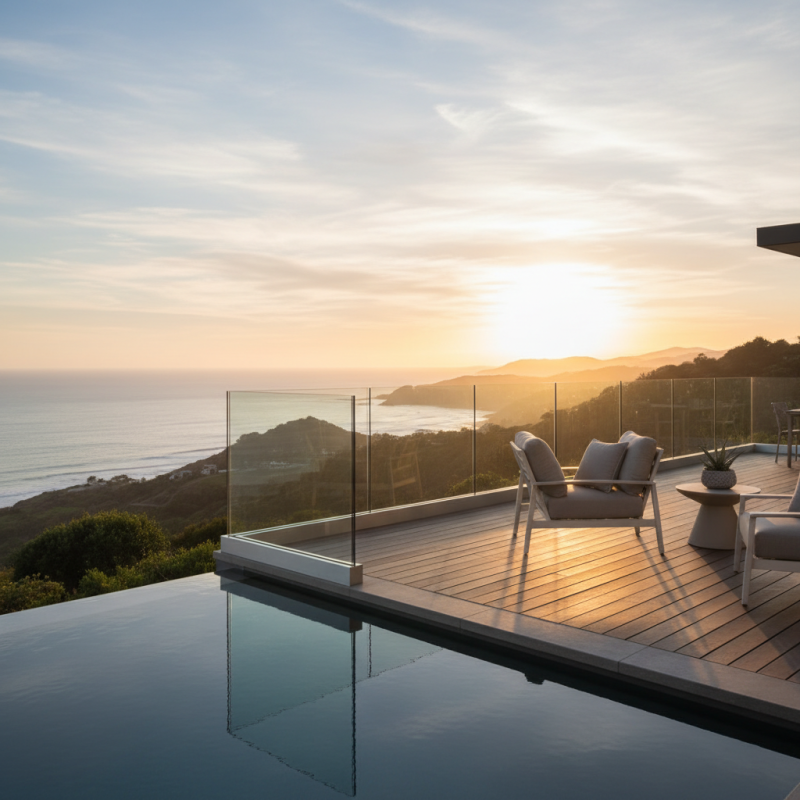
Topless glass aluminum railing has become a popular choice for modern balcony and terrace designs. This type of railing offers a sleek, unobstructed view. Its minimalist appearance enhances the visual appeal of outdoor spaces. The transparent glass panels provide safety without compromising the aesthetic.
Key features of topless glass aluminum railing include superior durability and ease of maintenance. The aluminum frames are resistant to corrosion, making them suitable for various climates. Many people appreciate their sleek design and the way they complement architectural elements. However, it’s important to consider the thickness of the glass used. For instance, using Topless Glass Post Railing for Terrace Railing 12mm ensures stability and can withstand pressure while maintaining clarity.
Some individuals may overlook installation details, which can lead to frustrations later. This system requires precise measurements and professional installation to ensure safety. Regular checks on the condition of the glass and fittings are also advisable. Each component plays a vital role in the effectiveness of the railing. Maintenance may seem tedious, but it is crucial for longevity.
Assessing Project Requirements for Topless Glass Aluminum Railing
When assessing project requirements for Topless Glass Aluminum Railing, start with your site environment. Consider the climate and weather conditions. A location with high winds or heavy rains may need extra stability. Think about the visual impact as well. Ensure that your design integrates well with the surrounding architecture. The railing must blend seamlessly with its environment to enhance its appeal.
Next, evaluate local building codes. Compliance is crucial for safety and legality. Codes may dictate materials, heights, and structural requirements. Ignoring these regulations can lead to costly mistakes. Additionally, consider the maintenance aspect. Although Topless Glass Aluminum Railing offers a modern look, it may require regular cleaning. Dust and fingerprints can detract from its aesthetics. Be realistic about the upkeep involved.
Lastly, think about your budget. Quality materials can be an investment but are often worth it in the long run. Comparing different options can help you find the right balance between cost and quality. It's important to plan ahead and ensure your selection meets both your expectations and practical needs. Reflect on these factors to make a well-informed decision.
Material Options: Selecting Quality Glass and Aluminum for Durability
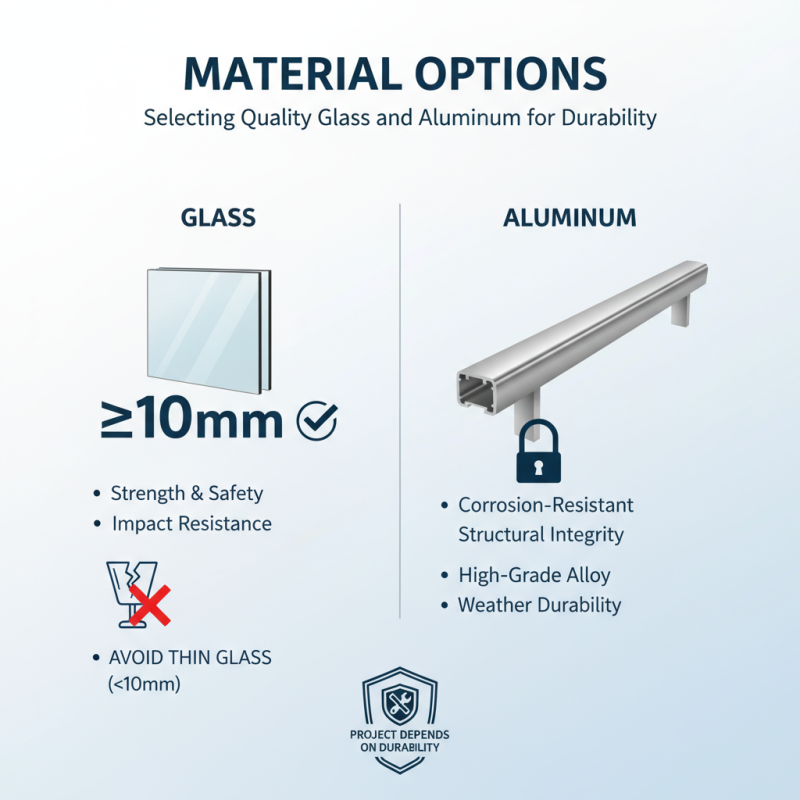
Selecting quality materials is crucial when choosing topless glass aluminum railing. The integrity of your project depends on the durability of the components. High-quality glass should be at least 10mm thick to provide adequate strength and safety. Thinner glass may shatter easily, posing significant risks. Always consider the glass’s impact resistance and durability ratings.
Aluminum is another essential element. It should be corrosion-resistant and lightweight for easy handling. Look for aluminum that has been treated with protective coatings to enhance its lifespan. The design and finish of the aluminum can also affect the overall aesthetic of your railing. Powder-coated options can provide a sleek look while ensuring protection against the elements.
While the focus often lies on aesthetics, it’s easy to overlook potential weaknesses. Check for certification labels that indicate compliance with safety standards. Reflection on the quality of the materials may save you from future headaches. Railing systems are not just accessories; they’re safety features that require thoughtful selection of components like the 10mm Topless Glass Railing to stand the test of time.
Design Considerations: Aesthetic Appeal and Functionality in Railing Choices
When selecting a topless glass aluminum railing, aesthetic appeal plays a crucial role. A sleek, transparent design can enhance the look of your space. It allows for unobstructed views, connecting indoor and outdoor areas visually. The clarity of the 12mm Topless Glass Railing can make a small area feel more open and inviting. Consider the surrounding environment. A modern railing can complement contemporary architecture, while a more traditional style may clash.
Functionality is equally important. A well-designed railing doesn't just look good; it provides safety and stability. Ensure that the railing meets local building codes for strength and durability. Glass can be fragile, so focus on quality. The thickness of the glass, like in a 12mm Topless Glass Railing, can significantly affect its resilience. Regular maintenance is also necessary. Glass can attract fingerprints and smudges, requiring consistent cleaning to maintain its clarity.
Reflect on your project's unique needs. Are you prioritizing safety or style? Sometimes, there can be a trade-off between aesthetics and functionality. A beautiful design may sacrifice safety if not constructed properly. It’s essential to strike a balance, so consider all factors thoroughly.
How to Choose Topless Glass Aluminum Railing for Your Project?
| Dimension | Consideration | Details |
| Height | Safety Compliance | Ensure the railing height meets local safety regulations (typically 36" to 42"). |
| Material | Durability | Select aluminum for longevity and resistance to corrosion. |
| Glass Type | Aesthetic Appeal | Consider tempered or Laminated Glass for safety and clarity. |
| Finish | Visual Harmony | Choose a finish that complements your overall design theme (e.g., matte, brushed). |
| Installation | Ease of Assembly | Opt for a system that allows for quick and easy installation while ensuring stability. |
| Cost | Budget Allocation | Assess the total project cost including materials, labor, and maintenance. |
Installation Guidelines: Steps to Properly Install Topless Glass Aluminum Railing
Installing topless glass aluminum railing requires careful planning and execution. Begin by collecting all necessary tools and materials. Make sure you have measuring tape, level, drill, and brackets. These items are essential for a successful installation. Take accurate measurements of the area where the railing will be placed. This will help ensure a secure fit.
Next, prepare the mounting surface. It should be clean and level. Sometimes, older surfaces can be uneven, which may require repair. Align the brackets based on your measurements, ensuring they are evenly spaced. The level is crucial here; it helps confirm that the railing will be straight. If you encounter any issues with alignment, do not hesitate to make adjustments.
Once the brackets are secured, it’s time to install the glass panels. Handle the glass carefully to avoid any scratches or breaks. It's also important to ensure a tight fit to maintain stability. Regularly check the alignment as you go. If something feels off, take a moment to reassess. This project can seem simple, but small mistakes can lead to significant issues down the line.
Safety Standards: Ensuring Compliance with Building Codes and Regulations
When selecting topless glass aluminum railing, safety is a primary concern. Compliance with building codes and regulations ensures the integrity of your project. Familiarizing yourself with local standards is crucial. Each region may have specific requirements regarding materials, height, and structural integrity. Poor adherence can lead to costly adjustments later.
Conduct thorough research on the various safety standards applicable to railings. Many regulations focus on the strength of the material and how it withstands pressure. For instance, railings should typically resist certain force impacts without bending or breaking. Some codes also emphasize the gap size between balusters or vertical elements, aiming to prevent children from slipping through.
Not every installation team is well-versed in these regulations. A lack of knowledge can lead to non-compliance. This may result in safety risks or legal issues down the line. Always ask for documentation proving understanding of safety standards. Vigilance during the selection and installation process is vital for reducing potential risks.
Budgeting for Your Project: Cost Factors Involved in Topless Railing Selection
When budgeting for a project involving topless glass aluminum railings, several critical cost factors come into play. The initial investment can vary based on material quality, design complexity, and customization options. According to industry reports, aluminum railings can range from $50 to $150 per linear foot. Options like tempered glass may add to costs but enhance aesthetics and safety.
Installation expenses also significantly influence the overall budget. Skilled labor rates typically range from $40 to $100 per hour, depending on the region. A report by the Glass Association of North America indicates that professional installation accounts for approximately 30% of the total railing project cost. DIY installation can reduce costs but may introduce risks if not done correctly.
Maintenance is another aspect worth considering. While aluminum railings require less upkeep compared to wood, periodic cleaning and inspections are necessary. Overlooking this can lead to costly repairs down the line. Reflecting on past projects, some homeowners have faced unexpected expenses due to inadequate maintenance plans. Balancing initial costs with long-term investment is key in this decision-making process.
Enhancing Pool Safety: The Role of Tempered Safety Glass in Accident Prevention and Compliance with Industry Standards
Enhancing pool safety is a critical concern for homeowners and industry professionals alike. The adoption of Tempered Safety Glass for pool fencing not only meets industry standards but significantly reduces risks associated with pool accidents. According to recent safety studies, the use of tempered glass can lower the likelihood of injuries, particularly among children, which underscores the importance of selecting the right materials for pool safety.
In pool fencing applications, 12mm tempered glass has emerged as the standard choice due to its durability and impact resistance. However, alternatives like 6mm, 8mm, and 10mm tempered glass can also be effective depending on the specific requirements of the installation. For enhanced safety, Heat Soaked Glass and Tempered Laminated Glass provide additional resilience and are increasingly favored in safety-focused designs. These glass types undergo rigorous testing to ensure they can withstand high-impact forces, further promoting a safer environment around pool areas.
Customization options allow for specific fitting requirements, enabling precise installations tailored to meet both safety and aesthetic considerations. Whether through drilling holes or water-jet cutting notches, manufacturers can accommodate unique designs, ensuring that homeowners and builders achieve the best possible outcomes. With flexible transportation options and commitment to safety through insurance coverage, clients can confidently invest in tempered glass solutions that align with both regulatory compliance and safety needs. For optimal results, it’s essential to discuss your specific glass type, dimensions, and quantities, ensuring you receive prompt and accurate pricing.
FAQS
: The glass should be at least 10mm thick for strength and safety.
Aluminum should be lightweight and corrosion-resistant for durability and easy handling.
Use aluminum with protective coatings to resist corrosion and improve longevity.
Think about the design and how it complements your space's architecture.
No, railings are safety features requiring thoughtful selection of components.
A beautiful design may sacrifice safety if not executed with quality materials.
Regular cleaning is needed to remove fingerprints and smudges for clarity.
Yes, check for certification labels to ensure compliance with safety standards.
Yes, prioritize safety over aesthetics to avoid potential risks.
Consider your project’s needs regularly to ensure you’re making the best material selections.
Conclusion
When considering a project that involves Topless Glass Aluminum Railing, it's essential to understand its key features and benefits, such as enhanced visibility and modern aesthetic appeal. The selection process begins with a thorough assessment of project requirements, ensuring the chosen railing meets both functional and design needs. Material quality is crucial; opting for durable glass and aluminum ensures longevity and stability.
Design considerations play a significant role, as the railing must complement the overall aesthetic while maintaining functionality. Proper installation guidelines should be followed to achieve the best results, alongside adhering to safety standards, ensuring compliance with local building codes and regulations. Finally, budgeting should take into account various cost factors involved in the selection of Topless Glass Aluminum Railing, ensuring a balance between quality and affordability.