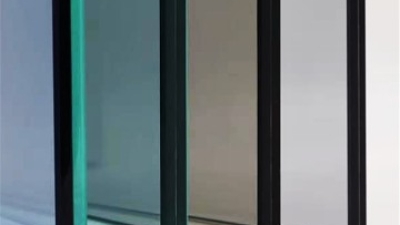
Hey, if you're diving into a project that involves picking out glass materials, it's pretty important to get a good handle on the different types out there. One that really catches the eye is Colored Tempered Glass — it's not just about looks, but also stands up well over time. At QINHUANGDAO LIANYIDING GLASS CO., LTD., or LYD GLASS for short, we’re all about offering a variety of glass products, including that stylish Colored Tempered Glass, tailored to fit all sorts of architectural and design needs. Being based right in Qinhuangdao really helps us get products to our international clients quickly, which means lower shipping costs overall. In this little guide, I’ll walk you through some key things to keep in mind when choosing the right Colored Tempered Glass for your project. Our goal is to make sure you get both the looks and the functionality you want, plus we’re here to share some expert tips on tempered, laminated, and insulated glass options along the way.

Factors Influencing the Color Selection of Tempered Glass in Construction Projects
Choosing the right Colored Tempered Glass for your construction project isn’t just about picking a pretty color — there are actually quite a few things to keep in mind. One pretty important factor is how well the glass handles heat. According to the folks at the Glass Association of North America, Colored Tempered Glass can cut down solar heat gain by as much as70%. That’s a game-changer if you’re aiming for an energy-efficient building. Of course, the look of the glass matters a lot too — designers and architects usually pick colors that match the overall vibe of the place. The National Association of Home Builders also points out that choosing the right hue can actually boost a property’s value and make it easier to sell.
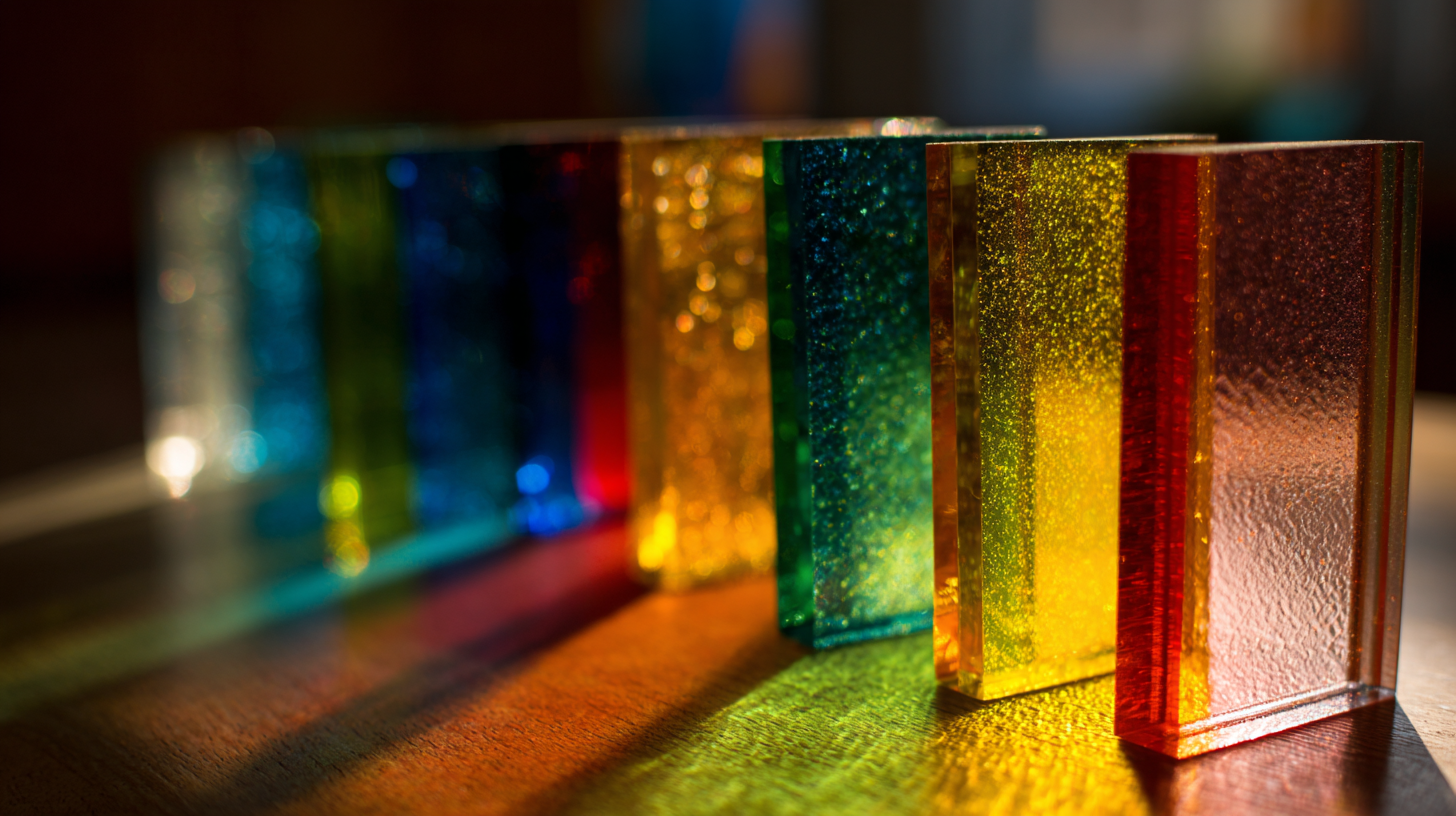
So, here are some tips to keep in mind when picking out Colored Tempered Glass. First off, think about theclimate where you’re building. Different colors perform differently in various environments. For example, darker tints can be great for cooler areas because they absorb heat, while lighter shades are better in warmer places since they help keep things cool. Another thing is to consider whether the space is residential or commercial because that’ll influence both how the glass looks and how it performs. And don’t forget — working with suppliers who can give you samples is super helpful. Playing around with actual samples can make all the difference when trying to decide what really works for your project.
All in all, choosing the right glass isn’t just about aesthetics — it’s about balancing style, function, and climate for the best results. Just take your time, do a bit of research, and get some samples to see what really works for you.
Current Trends in Colored Tempered Glass: A Study of Market Preferences
So, the market for Colored Tempered Glass is really booming right now. You know, it’s largely fueled by current design trends in architecture and cars nowadays. I came across a study from Custom Market Insights, and it says that by 2034, the global market for panoramic sunroofs in cars could hit around $48.78 billion — and it's growing at about 11.7%annually. That’s pretty impressive! It just shows how people are really into glass solutions that are not only eye-catching but also functional. Colored Tempered Glass fits the bill perfectly—people love it for its good looks and toughness.
On the building side of things, the North America Architectural Flat Glass Market is also expected to grow quite a bit through 2033. We’re seeing more and more homeowners and businesses opting for colored glass in their projects. The trend now is definitely leaning towards custom designs—companies are using Colored Tempered Glass to make buildings stand out, while still keeping safety in mind. Plus, consumers are becoming way more conscious about aesthetics andeco-friendly stuff.
That’s why products like
solar photovoltaic glass are gaining ground—people want smart, stylish, and sustainable solutions. Long story short, all these factors are really shaping the future of the
Colored Tempered Glass industry in a big way.
Understanding the Impact of Light Transmission on Colored Tempered Glass Choices
When you're picking out Colored Tempered Glass for a project, getting a grip on how light passes through is pretty important. Different shades don’t just change how things look—they really influence how light interacts with the space too. For example, darker tints tend to cut down on the amount of light coming through, making the room feel a bit moodier, while lighter colors let in more natural sunlight, making everything brighter and more open. So, whether you’re designing a shop that needs lots of light or a cozy home that wants a warm vibe, your color choice should really match both the look you're aiming for and the practical side of things.
Also, keep in mind that how much light gets through depends on both the color and thickness of the glass. This can actually make a difference when it comes to heating or cooling costs in a building. Warmer-toned glass tends to soak up more sunlight, kind of like a sponge, whereas cooler shades might reflect a lot, which helps with energy efficiency. So, thinking about how light interacts with your glass throughout the day isn’t just about looks—it also impacts sustainability and comfort. In the end, it’s all about making sure the color you choose fits your overall design and energy goals. It’s worth taking a bit of time to imagine how sunlight will play with your glass at different times of the day and making sure it all feels right both visually and practically.
How to Choose the Right Colored Tempered Glass for Your Project - Understanding the Impact of Light Transmission on Colored Tempered Glass Choices
| Color | Light Transmission (%) | Applications | Aesthetic Impact |
| Clear | 90-92% | Windows, Doors
| Minimal alteration of view |
| Bronze | 50-60% | Building Facades | Warm aesthetic, enhances privacy |
| Green | 35-45% | Shower Enclosures, Balconies | Natural feel, blends with nature |
| Blue | 30-40% | Storefronts, Partitions | Cool ambiance, gives depth |
| Gray | 20-30% | Privacy Glass, Architectural Panels | Contemporary look, great for privacy |
Evaluating Durability and Safety Standards for Colored Tempered Glass Applications
When you're choosing colored tempered glass for a project, it’s super important to look into how durable and safe it really is. Tempered glass is pretty tough stuff because it’s heated up and cooled down quickly, which makes it much more impact-resistant and better at handling temperature changes than regular glass. But keep in mind, adding color to the glass can sometimes change those properties a bit. So, make sure you’re buying from reputable brands that follow industry standards. Checking for certifications like ASTM or EN is a good idea—these basically show that the glass has been tested and meets safety and performance benchmarks that matter in real-world use.
On the safety side, colored tempered glass should tick a few important boxes. For example, it needs to break in a way that doesn’t create dangerous, sharp shards—avoiding injuries is key. Also, think about the environment where the glass will live—will it be exposed to lots of sunlight, wind, or temperature swings? If the glass can stand up to those conditions without cracking or losing its strength, that’s a huge plus. Looking for tests showing how it holds up under these conditions can really give you peace of mind. Bottom line, focusing on both durability and safety will help ensure your final project isn’t just beautiful but also built to last and safe for everyone around it.
Cost Analysis of Different Colored Tempered Glass for Various Projects
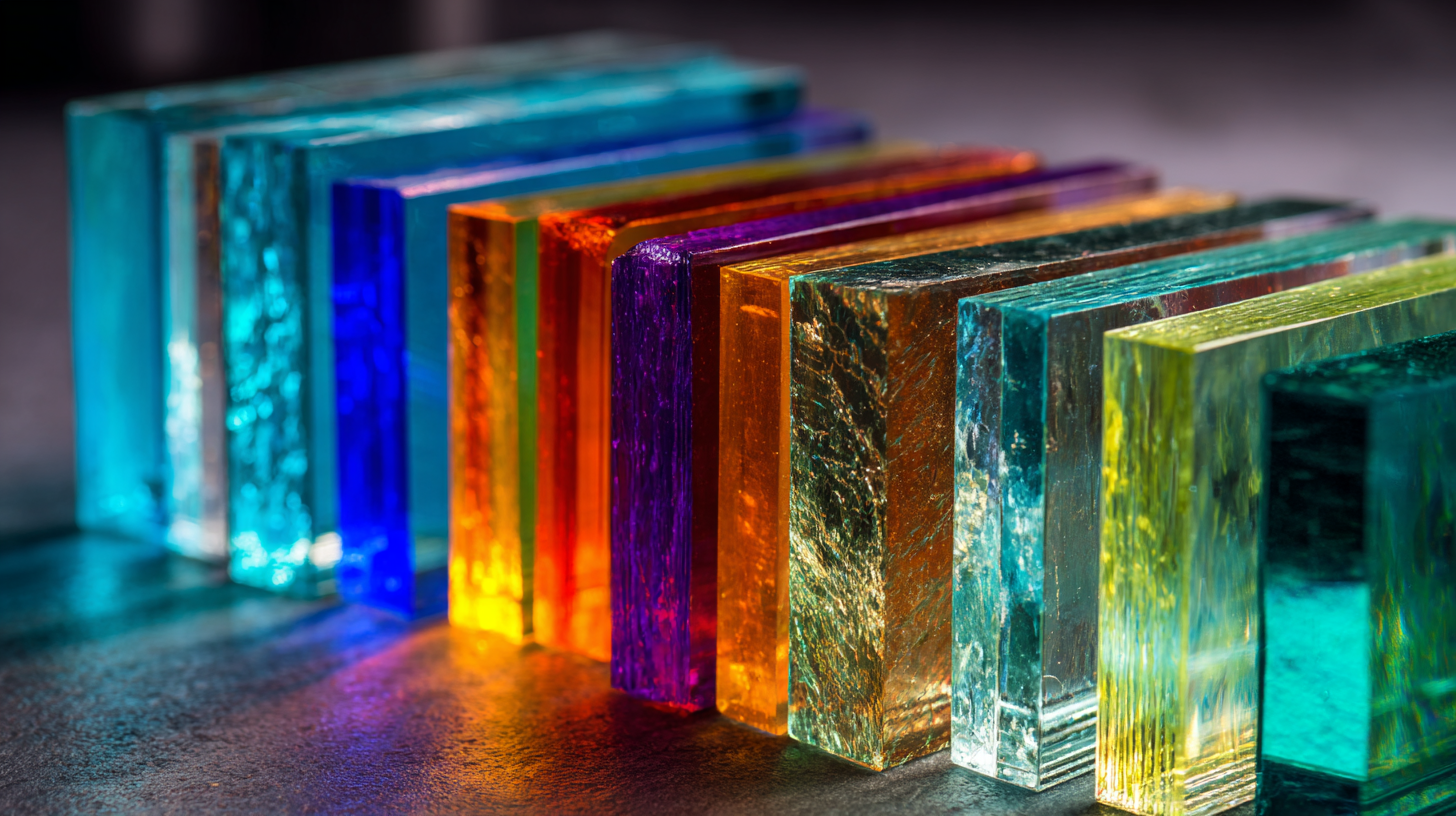
When you're looking into different colored tempered glass for your project, it’s really important to think about the costs involved with each option. Prices can spike or drop quite a bit depending on stuff like the color you want, how thick the glass is, or even which manufacturer you go with. For instance, custom colors tend to cost a bit more, while those standard shades are usually easier on the wallet. Doing some research and comparing different suppliers can help you snag a good deal that fits within your budget.
A little tip — always ask for samples before placing a big order. It’s a good way to make sure the color really matches your vision and works well with the lighting in the space. Plus, it gives you a feel for how the glass looks in real life.
Also, keep in mind what you’re actually going to use the glass for. For big architectural projects with large panels, costs might add up quickly. But if you’re just doing something smaller, like decorative pieces or splashbacks, there’s usually more room to play around with colors and keep costs down. Talking to a few vendors can also be helpful — you might find they offer discounts on bigger orders without sacrificing quality.
And don’t forget to include installation costs in your budget. Proper setup is super important for safety and making sure your glass lasts. The complexity and size of the glass can influence installation expenses too, so it’s worth considering that part as well.
Cost Analysis of Different Colored Tempered Glass for Various Projects
This chart illustrates the average cost of various colored tempered glass types used in different projects. The costs are represented in USD per square foot, providing insight into how costs can vary based on color and project type.
Color Psychology in Design: Choosing Tempered Glass to Enhance Aesthetic Appeal
You know, color psychology really matters a lot when you're designing spaces, especially when picking out colored tempered glass. Different colors can totally change how people feel about a room—what vibe they get from it. For example, research shows that blue glass tends to give off a calming, peaceful vibe, which is why it's perfect for places like offices or wellness centers where relaxation is key. On the flip side, warm tones like reds and oranges can energize a space and boost creativity, making them great choices for studios or social spots where you want that lively feel.
But it’s not just about how it looks—there’s actually a psychological side to it too. I remember reading a study from GPD 2019 that talked about how perception and boundaries really shape how people experience their surroundings. The color you choose can really enhance or even undermine the mood you're going for. For instance, softer pastel shades can cut down on harsh light and make a space feel warm and inviting. On the other hand, bold, saturated colors are like eye-catching accents that can grab attention and encourage folks to engage more. Basically, if designers pick their glass colors thoughtfully, matching them up with the emotional tone or aesthetic they want, they can totally make the whole space feel just right—more welcoming, inspiring, or calming depending on the goal.
Enhancing Safety and Aesthetics: The Benefits of High-Impact Protective Laminated Glass in Modern Architecture
High-impact protective laminated glass plays a crucial role in modern architecture by enhancing safety and aesthetics. Constructed by bonding two or more layers of glass with a strong interlayer under controlled pressure and heat, laminated glass ensures that even in the event of breakage, the shards remain intact, significantly reducing the chances of injury. According to industry reports, buildings that utilize laminated glass can see a decrease in injury-related incidents by up to 60%, making it a preferred choice for both commercial and residential applications. The customizable nature of laminated glass allows architects to tailor the size, shape, color, and thickness of the interlayer, such as PVB, to meet specific design and safety requirements.
Moreover, the versatility of laminated glass meets diverse strength and security needs. With options available for various interlayer materials and thicknesses, it is suitable for high-security environments like banks and government buildings, as well as aesthetically focused residential properties. Furthermore, transportation logistics ensure that clients receive their products safely, with options for sea or rail transport, and professional teams handling the loading to minimize risk during transit. Given the increasing focus on safety in design, the adoption of high-impact laminated glass is likely to grow, paving the way for more secure and visually appealing structures in our urban landscapes.
FAQS
: The growth is driven by current design trends in architecture and automotive applications, with a strong consumer preference for visually appealing and functional glass solutions.
The global automotive panoramic sunroof market is expected to be valued at USD 48.78 billion by 2034.
It is becoming popular due to its aesthetic appeal and durability, with an increasing interest in customized designs that enhance visual impact while ensuring safety.
It is important to examine its strength, as colored tempered glass should be sourced from reputable manufacturers that comply with industry durability standards.
Colored tempered glass should evaluate its ability to minimize hazards, such as withstanding breakage without producing sharp shards, and should comply with safety regulations like ASTM or EN standards.
The coloring process can affect the glass's properties, so it is critical to ensure that the finished product maintains the strength and safety expected from tempered glass.
Consider UV exposure and temperature fluctuations that the glass will encounter, as tests demonstrating resilience against these conditions provide assurance for project suitability.
Certifications confirm compliance with safety regulations and reflect the glass's performance in real-world applications, ensuring it meets necessary durability and safety standards.
By leveraging its aesthetic qualities and customizable designs, colored tempered glass can enhance visual impact while maintaining the necessary safety and performance standards.
Consumers are increasingly conscious of aesthetics and environmental sustainability, driving the demand for advanced glass products like colored tempered glass.
Conclusion
When you're trying to pick the right colored tempered glass for your construction projects, there are a few things you definitely want to keep in mind. For starters, current market trends and what's popular right now really influence your color choices—after all, it’s about matching the vibe and design you’re going for. You also need to think about how much light the glass lets through since that can totally affect the mood of the space and even how energy-efficient it is. Oh, and safety and durability are super important — making sure your glass meets all the standards and regulations is non-negotiable. Plus, doing a proper cost comparison helps figure out which options are the best bang for your buck for different projects.
At QINHUANGDAO LIANYIDING GLASS CO., LTD. (LYD GLASS), we totally get how important all these factors are when it comes to our products. Being based in Qinhuangdao helps us get our high-quality tempered glass — and laminated and insulated varieties too — right to our clients quickly and efficiently. We also love to incorporate color psychology into our design advice because it really can make a difference in how satisfying and appealing the final look turns out. Basically, we’re here to help make your projects not just functional, but visually awesome too.