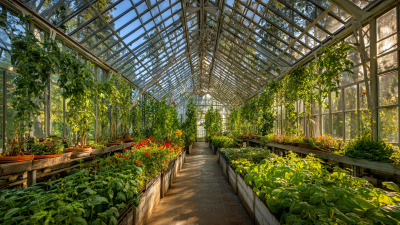
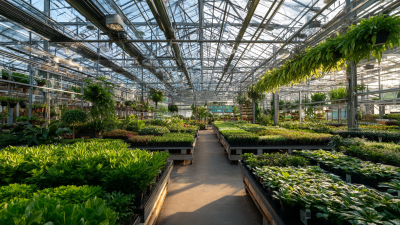
So, if you're thinking about diving into greenhouse gardening, one thing people often overlook is picking the right kind of glass for your greenhouse. I read somewhere—actually, from the National Greenhouse Manufacturers Association—that your choice of glass can really make a big difference in how well your plants grow, how much energy you save, and overall how successful your garden is. More folks are into sustainable gardening these days, so it's pretty important to understand the different options out there—like tempered glass, polycarbonate, and acrylic—so you can make the best decision.
Turns out, clear glass is great because it lets in up to 90% of sunlight, which is perfect for photosynthesis. But if you’re in a colder or more extreme climate, double-glazed glass might be a smarter pick because it helps insulate and keeps heating bills down. As urban farming and eco-friendly living keep growing in popularity worldwide, making an informed choice about your Greenhouse Glass isn’t just about growing healthy plants—it's also about saving energy. Honestly, taking the time to figure out what your specific needs are and understanding how each type of glass impacts your setup can really pay off in the long run. It’s all about making smart investments in your green space, ya know?
Understanding the Different Types of Greenhouse Glass Available
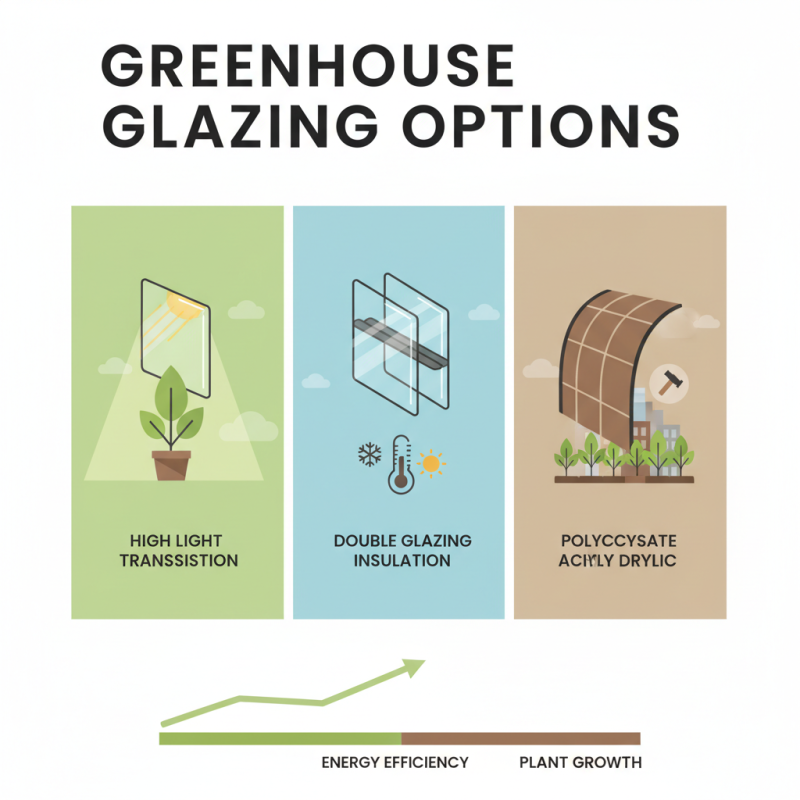
When selecting the best Greenhouse Glass for your gardening needs, it's essential to understand the various types available. The most common options include tempered glass, polycarbonate, and acrylic. Tempered glass is renowned for its strength and durability, making it an excellent choice for long-term use. It offers excellent insulation and can withstand harsh weather conditions, but it can be heavier and more expensive.
Polycarbonate, on the other hand, is a lightweight alternative that still provides good insulation and UV protection. It is available in twin-wall or multi-wall options, which enhance its insulating properties. Acrylic glass offers a high level of clarity and is more impact-resistant than glass, making it a good option for areas prone to vandalism or harsh weather. However, acrylic can scratch easily, which may affect its long-term clarity.
Tips: When choosing Greenhouse Glass, consider factors like climate, location, and your budget. If you live in an area with extreme weather,tempered glass may be the best option due to its robustness. For those looking to minimize weight and maximize insulation, polycarbonate is a solid choice. Always think about how much light your plants need; higher clarity materials can be beneficial for light-sensitive plants.
Evaluating Light Transmission and Energy Efficiency in Glass
When selecting Greenhouse Glass, evaluating light transmission and energy efficiency is crucial for creating an optimal growing environment. Light transmission refers to the percentage of sunlight that passes through the glass, directly impacting plant growth and photosynthesis. High-quality glass should ideally allow at least 90% of light to penetrate, providing plants with the necessary energy for healthy development. Factors such as thickness, color, and coating can influence light transmission, so it’s important to assess these characteristics when making your choice.
Energy efficiency is another vital aspect to consider. Greenhouses can experience significant temperature fluctuations, and the right glass can help regulate internal conditions. Double-glazed or low-emissivity (Low-E) glass options can effectively reduce heat loss, maintaining a more stable climate for plants. Additionally, choosing glass that reflects excess UV radiation can prevent overheating during the summer months, further preserving energy and resources. By prioritizing both light transmission and energy efficiency, gardeners can ensure a thriving environment for their plants while minimizing energy costs.
Comparing Tempered Glass and Polycarbonate Options
When selecting the best Greenhouse Glass, gardeners often face the choice between tempered glass and polycarbonate materials. According to the American Society of Horticultural Science, both options have distinct advantages that cater to various gardening needs. Tempered glass is renowned for its excellent clarity and rigidity, allowing for an unobstructed view of plants and maximizing light transmission, which can reach up to 90%. This feature is particularly crucial for photosynthesis, as plants in greenhouses require ample sunlight to thrive.
On the other hand, polycarbonate greenhouse panels have gained popularity due to their superior insulation properties and impact resistance. A report by the National Renewable Energy Laboratory indicates that polycarbonate can provide an insulation value (R-value) of up to 1.5, significantly improving energy efficiency and temperature regulation within the greenhouse. This is essential for maintaining optimal growing conditions, especially in regions with extreme weather. Additionally, polycarbonate is less prone to breakage, making it a safer option for gardeners concerned about safety and durability.
Ultimately, the decision between tempered glass and polycarbonate hinges on specific gardening priorities, including climate conditions, budget constraints, and aesthetic preferences. Both materials have proven effective in enhancing plant growth, and understanding their unique benefits can help gardeners make informed choices to optimize their greenhouses.
Assessing Durability and Weather Resistance in Greenhouse Glass
When selecting Greenhouse Glass, assessing durability and weather resistance is crucial. Glass that can withstand various environmental conditions ensures that your plants thrive throughout the year. It is important to consider the thickness of the glass, as thicker panes provide better insulation and resilience against harsh weather.
For instance, tempered glass, which undergoes a special treatment to increase strength, is an excellent option for gardeners looking for longevity and safety, as it is less likely to shatter upon impact.
Additionally, the ability of the glass to resist weather-related factors such as wind, hail, and UV radiation plays a significant role in the longevity of a greenhouse. UV-resistant coatings can help prevent degradation over time, ensuring that the greenhouse retains its structural integrity while providing the necessary light for plant growth.
Furthermore, the framework of the greenhouse should also be taken into account, as a well-constructed frame can significantly enhance the protective capabilities of the glass, making the entire setup more resilient to the elements. By prioritizing durability and weather resistance, gardeners can create a stable environment for their plants, leading to healthier growth and increased yields.
Considering Cost and Installation Factors for Your Greenhouse
When selecting the right glass for your greenhouse, considering the cost and installation factors is crucial. The type of glass you choose can significantly affect both your initial investment and long-term energy efficiency. For instance, while traditional single-pane glass is often more affordable upfront, it can lead to higher heating costs, as it typically has a lower insulation value. According to a report by the National Renewable Energy Laboratory, the use of double-pane or specialized thermal glass can reduce heating expenses by up to 50%, making it a worthy investment for long-term savings.
Installation costs should also be weighed carefully. While less expensive glazing materials may seem appealing, they may require more frequent replacements or repairs, which can add to overall costs over time. A survey by the American Society of Agricultural and Biological Engineers indicates that the average installation cost for glass greenhouse structures can range between $10 to $25 per square foot, depending on the type of glass and complexity of the setup. Choosing high-quality glass, while more expensive initially, can result in lower maintenance costs and fewer disruptions in your gardening activities, ultimately enhancing your overall gardening efficiency.
Identifying Local Climate Conditions Impacting Glass Choice
When choosing the best Greenhouse Glass for your gardening needs, it's crucial to consider the local climate conditions that can impact your decision. For instance, regions with harsh winters may require thicker, multi-pane glass to provide adequate insulation against the cold. On the other hand, areas with hot summers will benefit from glass that offers good UV protection to prevent overheating and plant stress. Understanding your local weather patterns, such as temperature fluctuations and humidity levels, will help you select the most suitable glass type for your greenhouse.
Tip: If you live in a climate with extreme temperature variations, consider using double or triple-glazed glass. This design can significantly enhance thermal regulation, keeping your plants cozy during the cold months and cool when the weather turns warm.
Additionally, exposure to wind and storm activity in your area can influence your glass choice. In locations with frequent storms, Tempered Safety Glass may be a wise investment, as it is less likely to shatter compared to standard glass. It's essential to evaluate how much natural light your greenhouse needs based on the amount of sunlight your region receives, which can vary dramatically based on geographical location.
Tip: Use light-diffusing glass to ensure that your plants receive even distribution of sunlight, which can promote healthier growth. Always factor in the balance between durability and light transmission when selecting the right glass for your greenhouse.
How to Choose the Best Greenhouse Glass for Your Gardening Needs - Identifying Local Climate Conditions Impacting Glass Choice
| Climate Zone | Recommended Glass Type | Advantages | Disadvantages |
| Temperate | Single Glazing | Cost-effective and easy to install | Poor insulation; higher energy costs |
| Tropical | Polycarbonate | UV protection; good durability | Can be more expensive; less clarity |
| Cold | Double Glazing | Excellent insulation; energy-efficient | Higher initial cost; heavier |
| Arid | Low-E Glass | Reflects heat; minimizes glare | Can limit light; may need special fixtures |
| Variable | Tempered Glass | High durability; shatter-resistant | Higher cost; difficult to source |
Maintaining and Caring for Your Greenhouse Glass Over Time
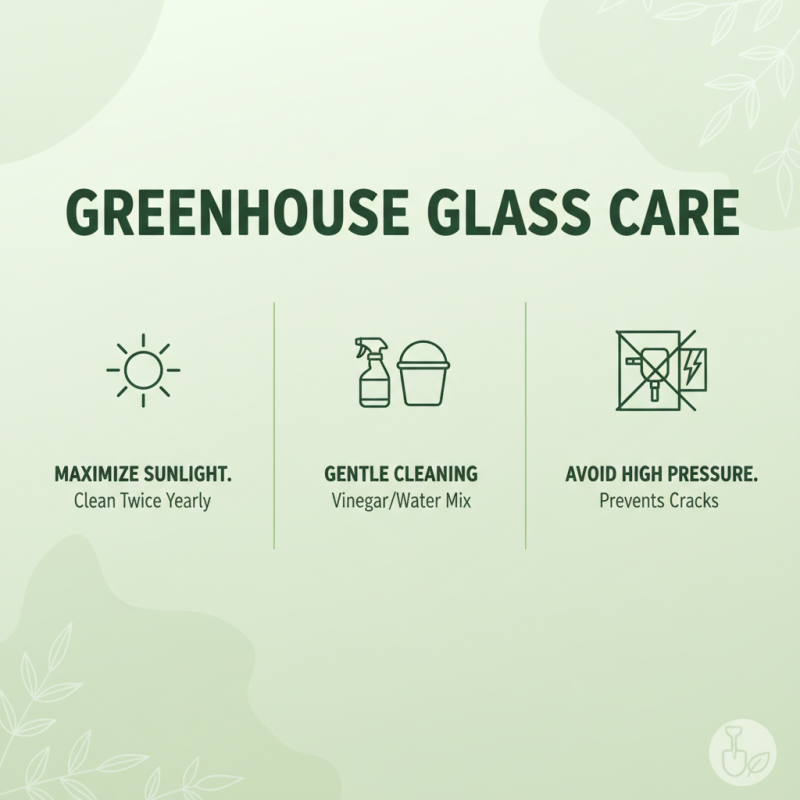
Maintaining and caring for your Greenhouse Glass is essential to ensure a productive gardening environment. Regular cleaning is necessary to maximize sunlight exposure and maintain optimal growing conditions. Depending on the climate and surrounding area, it's recommended to clean the glass at least twice a year. Use a gentle cleanser or a mixture of vinegar and water to avoid scratching the surface. Be cautious when using pressure washers; high pressure can compromise the integrity of the glass, leading to cracks or breaks.
Additionally, inspecting your Greenhouse Glass for damage should be a routine practice. Look for cracks, chips, or signs of wear that could affect its stability. If you notice any damage, addressing it promptly is crucial to prevent further issues. Consider applying a protective sealant to the edges of the glass panes, as this can enhance durability and reduce the risk of moisture infiltration. Lastly, during the colder months, make sure to check for condensation build-up, as excessive moisture can lead to mold and algae growth, which can hinder plant health. By following these maintenance tips, your Greenhouse Glass will continue to provide a safe haven for your plants for years to come.
FAQS
: Light transmission refers to the percentage of sunlight that passes through the glass, impacting plant growth and photosynthesis. High-quality glass should allow at least 90% of light to penetrate, which is essential for healthy plant development.
Energy efficiency can be improved by using double-glazed or low-emissivity (Low-E) glass options that reduce heat loss, maintaining stable climate conditions within the greenhouse. Reflective glass that blocks excess UV radiation can also help prevent overheating.
Tempered glass offers excellent clarity and rigidity, maximizing light transmission (up to 90%). It also provides durability and safety, as it is less likely to shatter upon impact, making it ideal for a stable growing environment.
Polycarbonate panels provide superior insulation properties and impact resistance, with an insulation value (R-value) of up to 1.5. This makes them effective for energy efficiency and temperature regulation, especially in extreme weather conditions.
Durability involves assessing the thickness of the glass, as thicker panes offer better insulation and resilience against harsh weather. Additionally, weather resistance to wind, hail, and UV radiation is important for the longevity of the greenhouse.
UV-resistant coatings help to prevent degradation of the glass over time, ensuring that it maintains structural integrity while still allowing necessary light for plant growth.
The framework should be well-constructed to enhance the protective capabilities of the glass. A sturdy frame can make the entire greenhouse setup more resilient to environmental elements, contributing to durability and longevity.
The choice depends on gardening priorities such as climate conditions, budget, and aesthetic preferences. Both materials have unique benefits for enhancing plant growth, so understanding these can aid in making an informed decision.
The characteristics of greenhouse glass, including light transmission, energy efficiency, and durability, directly affect the growing environment, influencing plant health, growth rates, and overall yields.
By prioritizing both light transmission and energy efficiency in glass selection, gardeners can create optimal growing conditions while minimizing energy costs associated with temperature regulation and lighting.
Conclusion
Choosing the right Greenhouse Glass is crucial for the success of your gardening efforts. There are various types available, each with unique properties that can affect light transmission and energy efficiency. When evaluating options, consider the benefits of tempered glass versus polycarbonate, looking at factors such as durability, weather resistance, and insulation qualities.
Additionally, assessing local climate conditions will help determine the most suitable type of Greenhouse Glass for your environment. Cost and installation factors also play a significant role in decision-making, as maintaining and caring for your greenhouse glass over time is essential for longevity. By understanding these aspects, you can make an informed choice that meets your gardening needs effectively.