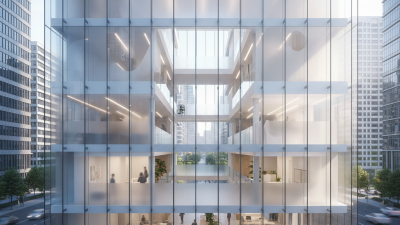
Frosted Laminated Glass is really gaining popularity these days, both for homes and offices. People love it because it’s not just pretty but also super functional. It’s such a versatile material — giving you privacy without blocking out all that lovely natural light. That makes it perfect for places like offices, conference rooms, or even your cozy living space where you want some seclusion but still want to let daylight in. The cool thing is, the frosting process used when making this glass creates a nice, soft, diffused look. It naturally softens harsh light and adds a warm, inviting vibe to any room.
If you’re thinking about using Frosted Laminated Glass, there are a few things to keep in mind — like the overall style of your space, how much privacy you actually need, and safety. Knowing the benefits, like how it helps cut down noise and boost security, can really help you decide if it’s the right pick. Plus, learning how to install and care for it will make sure it lasts a long time and keeps looking great. This guide will walk you through the key points to consider when choosing and using Frosted Laminated Glass to make sure you get the most out of it in your space.
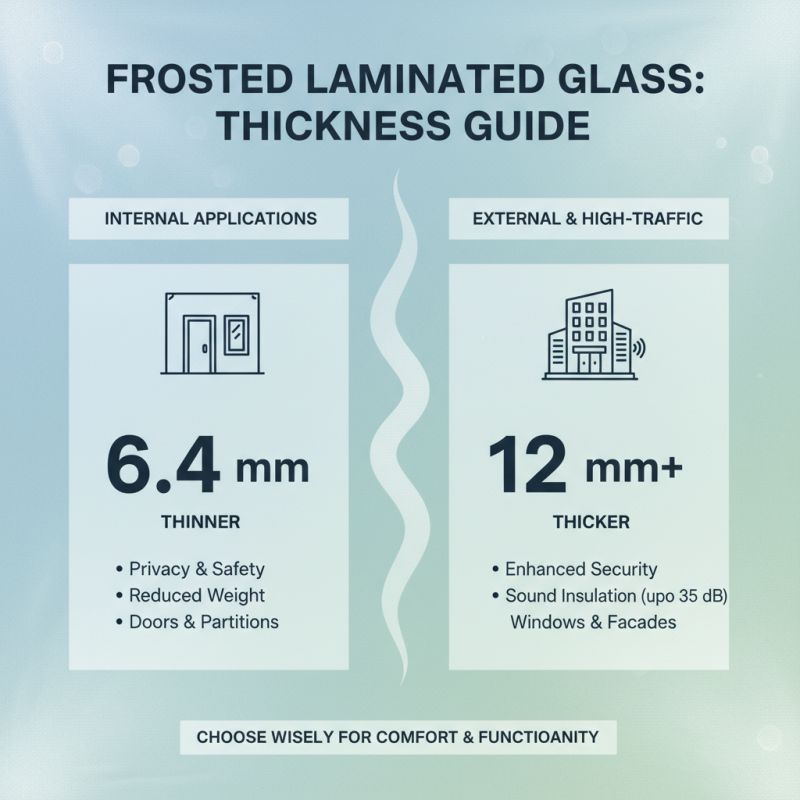
When selecting Frosted Laminated Glass for your home or office, understanding the right thickness is crucial for both functionality and aesthetics. The thickness of Frosted Laminated Glass typically ranges from 6.4mm to 19mm, with variations based on specific requirements. A thinner option, such as 6.4mm, may be suitable for internal applications where safety and privacy are important but weight is a concern. On the other hand, a thicker variety, like 12mm, provides enhanced security and sound insulation, making it ideal for external applications or areas with high foot traffic. According to a recent industry report, thicker laminated glass can reduce noise by up to 35 decibels, vastly improving the comfort of a workspace or living area.
Tips: When considering glass thickness, factor in the installation environment and function. For areas prone to impacts, such as near children or pets, opting for at least 10mm thickness can offer greater peace of mind. Additionally, ensure to consult a professional to evaluate built-in load-bearing capabilities, especially when implementing large panels.
It’s also worth considering that the transparency of the frosted finish varies with thickness. Thinner glass may not diffuse light as effectively as thicker options, which can lead to differing visual aesthetics. A thickness of around 10mm is often a safe choice to achieve a good balance between light diffusion and privacy, enabling spaces to feel inviting without compromising on confidentiality. Remember, the right thickness will ultimately enhance both the functional performance and the overall design of your space.
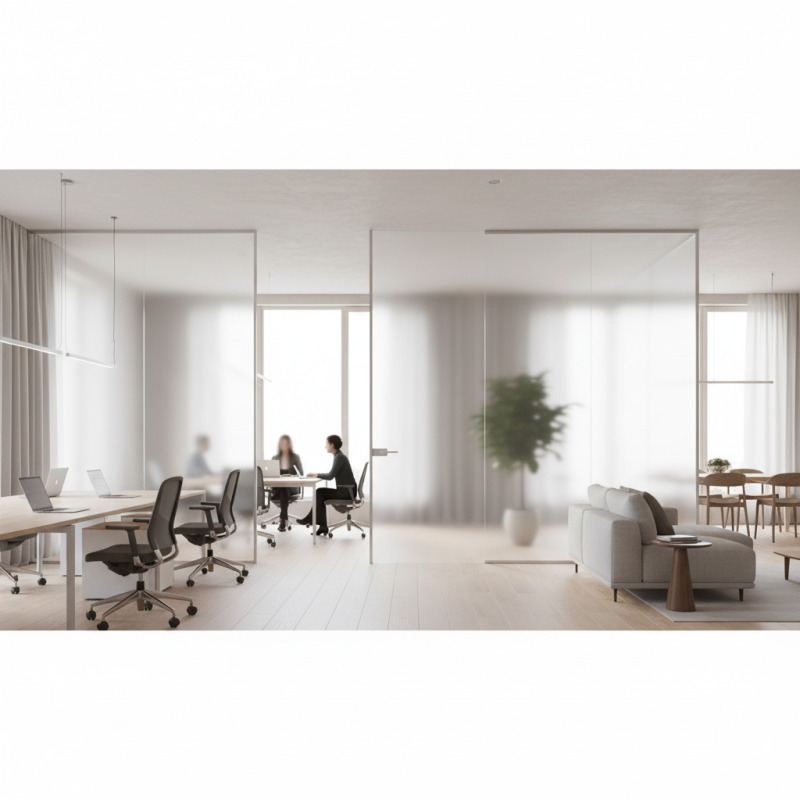
Frosted Laminated Glass is an excellent choice for enhancing privacy in both residential and commercial spaces. The frosted finish obscures visibility, allowing natural light to filter through while preventing prying eyes from easily seeing inside. This is particularly beneficial in settings like offices, where collaborative spaces need to maintain a degree of confidentiality without sacrificing illumination. By utilizing Frosted Laminated Glass in conference rooms or office partitions, you can create an environment that fosters openness while still protecting sensitive information.
In addition to its aesthetic appeal, frosted laminated glass offers practical advantages. The laminated structure adds a layer of safety, as it holds together even if shattered, reducing the risk of injury from broken glass. Furthermore, this type of glass can help in sound insulation, providing a quieter atmosphere, which is ideal for home offices or busy work environments. By choosing frosted laminated glass, you are not only enhancing your space's privacy but also ensuring durability and functionality, making it a smart investment for your home or office.
When selecting frosted laminated glass for your home or office, understanding the safety standards and certifications that apply is essential. Frosted glass, often favored for its privacy benefits and aesthetic appeal, must meet specific safety criteria to ensure durability and protection. According to industry reports by the Glass Association, laminated glass offers higher safety levels compared to regular glass due to its impact resistance and shatter-proof qualities. Specifically, certified frosted laminated products should comply with ASTM International standards, which guarantee that the glass has undergone rigorous testing for both performance and safety.
Tip: Always look for products that come with relevant certifications to ensure that you are choosing high-quality frosted laminated glass. This includes checking for compliance with standards such as ANSI Z97.1 for safety glazing materials and the CPSC regulations that ensure the glass is suitable for various applications.
In addition, it's vital to consider the installation process and the safety of your frosted glass. An improperly installed glass can compromise its benefits, making it crucial to hire certified professionals. According to the National Glass Association, improper installation accounts for a significant percentage of glass product failures. Thus, it is advisable to request installation services from companies that are experienced and offer warranties on their work.
Tip: Before the installation, ensure that the glass is inspected for any defects and that your chosen installers are familiar with the necessary safety practices. This will help maximize the longevity and performance of your frosted laminated glass.
When considering the cost factors associated with frosted laminated glass versus traditional glass, several key aspects need to be examined. According to industry reports, the average price for frosted laminated glass can be estimated at $50 to $100 per square foot, while traditional glass typically ranges from $10 to $30 per square foot. This significant price difference is attributable to the additional manufacturing processes involved in creating frosted laminated glass, which not only offers aesthetic benefits but also heightened safety and acoustic performance.
Incorporating frosted laminated glass can also lead to long-term financial savings, particularly in commercial settings. A study conducted by the Glass Association indicates that buildings using laminated glass can see a reduction in energy costs by up to 15% due to its superior insulation properties. Furthermore, the durability of frosted laminated glass, which is resistant to shattering and scratching, can minimize replacement costs over time. In contrast, traditional glass is more prone to damage, potentially leading to higher long-term expenses related to repairs and replacements. Thus, while the initial costs of frosted laminated glass may be higher, its overall value proposition becomes evident when considering energy savings and durability.
This chart compares the average cost per square foot between frosted laminated glass and traditional glass, highlighting key factors that influence the choice of materials for homes and offices.
Installation of frosted laminated glass requires precision and adherence to best practices to ensure optimal performance and aesthetic appeal.
According to the Glass Association of North America, the correct installation method can enhance not only the safety of the glass but also its durability, maintaining its frosted finish over time. One key technique is ensuring that the glass is installed in a manner that allows for thermal expansion; using a proper gap and applying silicone sealants can mitigate the risk of cracking, especially as temperature fluctuations can lead to stress on the glass.
Moreover, clean handling during installation is crucial. Industry reports indicate that dirt and debris can impair adhesive bonding and cause long-term damage to the glass. Therefore, installers should use clean gloves and tools specifically designed for glass handling. Proper framing and support are essential to distribute weight evenly across the glass, which is especially important in large panes where the risk of bowing increases.
Regular inspections and maintenance post-installation, as highlighted by the American National Standards Institute, can further assure that the frosted laminated glass remains an aesthetically pleasing and functional element of any space.
Frosted laminated glass is a popular choice for both residential and commercial spaces due to its privacy benefits and aesthetic appeal. However, to ensure its longevity, proper maintenance is essential. According to a report by the Glass Association, regularly scheduled cleaning and care can extend the lifespan of frosted glass by up to 25%. Routine maintenance should include gentle cleaning with a mild detergent and a soft cloth, avoiding abrasive materials that can scratch the surface.
In addition to regular cleaning, it's crucial to address common issues like water spots or mineral deposits, which can diminish the glass's frosted appearance over time. The industry recommends using a vinegar and water solution to effectively eliminate these deposits while being gentle on the glass. Additionally, periodic inspections for any signs of damage or wear in the laminate layer are advisable, as early detection can prevent more costly repairs later. Many professionals suggest that with appropriate care, frosted laminated glass can remain visually appealing and structurally sound for decades, making it a sustainable choice for any space.
Frosted laminated glass has emerged as a popular choice among designers and homeowners looking to enhance the aesthetic of modern interiors. Its ability to offer privacy without sacrificing natural light makes it a versatile material in both residential and commercial spaces. According to a recent report by the Glass Association, the interior glass market is projected to reach USD 24.8 billion by 2026, driven primarily by the increasing demand for stylish and functional design solutions. This surge in popularity can be attributed to the contemporary trend of integrating transparency and lightness into design, reinforcing the notion that frosted glass can create a soft, inviting ambiance while maintaining separation between spaces.
The integration of frosted laminated glass in modern interiors is also reflective of the broader design trend towards minimalism and clean lines. Designers are increasingly using this material in partition walls, shower enclosures, and office cubicles, where it serves both practical and aesthetic purposes. The textured surface of frosted glass diffuses harsh light, enhancing comfort while maintaining an airy atmosphere. Industry data indicates that the use of decorative glass, including frosted options, has seen a year-on-year growth of 5%, signaling a shift in consumer preference towards materials that offer both functionality and innovative design. As more interior spaces embrace open layouts, the stylish application of frosted laminated glass will continue to redefine the boundaries of privacy and openness.
| Aspect | Description |
|---|---|
| Types of Frosted Laminated Glass | Acid-etched, sandblasted, and digitally printed options. |
| Applications | Partition walls, windows, doors, and shower enclosures. |
| Benefits | Privacy, natural light, security, and aesthetic appeal. |
| Design Trends | Minimalism, geometric patterns, and eco-friendly designs. |
| Maintenance | Easy to clean; use mild detergent and soft cloth. |
: Frosted laminated glass typically costs between $50 to $100 per square foot, while traditional glass ranges from $10 to $30 per square foot.
The higher cost of frosted laminated glass is due to the additional manufacturing processes it undergoes, which provide aesthetic benefits, enhanced safety, and better acoustic performance.
Yes, buildings using frosted laminated glass may reduce energy costs by up to 15% due to its superior insulation properties, leading to long-term savings.
Frosted laminated glass is more resistant to shattering and scratching, which can reduce replacement costs over time, making it more economical in the long run compared to traditional glass.
Frosted laminated glass is popular for providing privacy while allowing natural light, and is frequently used in partition walls, shower enclosures, and office cubicles, aligning with the modern design trend of minimalism and clean lines.
It offers a soft, inviting ambiance while maintaining separation between spaces, and its textured surface diffuses harsh light, enhancing comfort and maintaining an airy atmosphere.
The interior glass market is expected to reach USD 24.8 billion by 2026, driven by increasing demand for stylish and functional design solutions.
There has been a year-on-year growth of 5% in the use of decorative glass, including frosted options, reflecting a shift towards materials that combine functionality with innovative design.
As open layouts become more popular, frosted laminated glass allows for privacy while still contributing to a spacious feel, enhancing both function and aesthetics in modern interiors.
Frosted Laminated Glass is an excellent choice for both residential and commercial spaces, providing a blend of aesthetics and functionality. When selecting the right thickness, it's crucial to consider the design intent and desired privacy levels. This glass type offers significant benefits for maintaining privacy while allowing natural light to filter through, making it ideal for offices and homes.
In addition to privacy, Frosted Laminated Glass adheres to stringent safety standards and certifications, ensuring durability and protection. When evaluating costs, it is important to compare it with traditional glass to understand the long-term value it provides. Installation techniques require careful execution to maximize benefits, while proper maintenance can enhance the longevity of the glass. Lastly, integrating Frosted Laminated Glass into modern interiors aligns with current design trends, creating sleek and sophisticated environments.