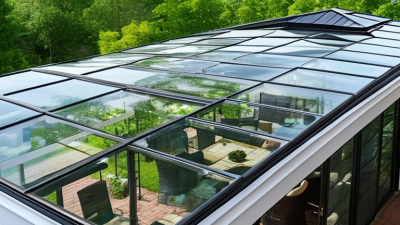
When you're thinking about the best materials for your garden house, Toughened Glass really stands out. It's a solid choice because it combines safety, durability, and looks great — pretty much a homeowner’s dream. Companies like ClearView Glass and Greenhouse Innovations offer a variety of options, so you can find something that fits your style and needs.
Now, the thing with Toughened Glass is that it’s way stronger than regular glass. It can handle all sorts of crazy weather conditions, which makes it perfect for outdoor setups. But… and here’s the thing, it’s also kind of pricey. Some folks might find the cost a bit higher than they expected, so it’s worth weighing that against traditional materials.
On top of that, using Toughened Glass really helps bring in more natural light and makes the inside of your garden house feel a lot more spacious. Just a heads up, though — installing it isn’t usually a DIY job. You’ll probably want a professional to get everything just right. Knowing these things can really help you make a smarter decision. Investing in quality glass is definitely a good move, but totally important to understand all the ins and outs before splurging.
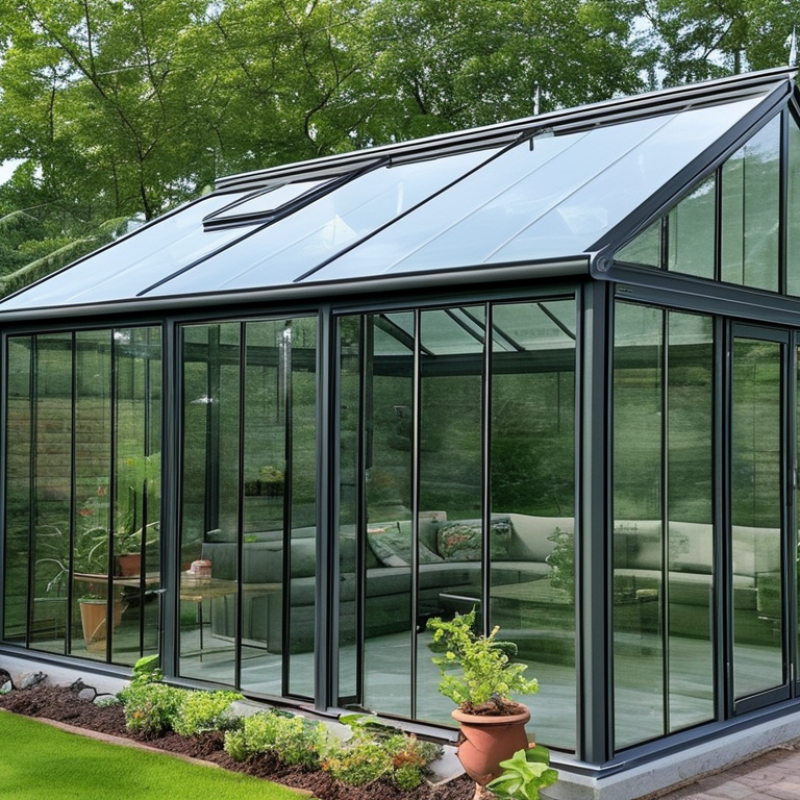
Best Toughened Glass Options for Garden Houses to Choose
When considering Toughened Glass for garden houses, various options come into play. Toughened Glass is widely recognized for its durability and resistance to weather. It’s stronger than regular glass, making it safer for outdoor use. Many homeowners appreciate its clarity and ability to enhance natural light. However, not all Toughened Glass is equal. Some may offer better thermal insulation, while others could be more prone to scratches and damage.
When selecting the right type, focus on thickness and treatment methods. Thicker glass provides added durability. Look for options that feature anti-reflective coatings. These can minimize glare and enhance visibility. It’s also crucial to assess how the glass adheres to the frame of the garden house. Improper installation can lead to cracks and breakage over time. Little things like the framing material and the method of sealing can impact long-term performance.
While Toughened Glass offers clear benefits, keep potential downsides in mind. The initial cost can be higher than standard glass. Installation requires skilled individuals to avoid complications. Additionally, if damage occurs, replacement can be costly. Weigh the pros and cons carefully. Make sure your choice aligns with your garden house's design and your personal preferences.
Understanding Toughened Glass: Definition and Advantages in Gardening
Toughened Glass is becoming a popular choice in gardening, especially for garden houses. This type of glass undergoes a special heating process that enhances its strength. It is designed to withstand various weather conditions, making it ideal for outdoor environments. Its ability to resist thermal stress helps prevent breakage, ensuring that your garden structure remains intact over time.
One of the significant advantages of Toughened Glass is its safety features. When broken, it shatters into small, blunt pieces, reducing the risk of serious injuries. This is particularly important in family gardens where children might play. Additionally, the glass offers excellent insulation properties. It helps regulate temperature, providing a suitable environment for plants, regardless of the season. However, it is important to consider the installation process, as improper handling can lead to issues later on.
Choosing Toughened Glass hinges on understanding your specific needs. While the durability is a significant plus, its cost can be a downside for some. Exploring other glass options may offer benefits for certain structures. Reflecting on the long-term maintenance and aesthetic appeal is also crucial. Toughened Glass might look stunning, but ensure that it fits your garden’s overall design and your budgetary constraints. Each garden is unique, and understanding how Toughened Glass serves your space can lead to better decisions.
Best Toughened Glass Options for Garden Houses to Choose?
| Glass Type | Thickness (mm) | UV Resistance | Energy Efficiency | Cost ($/sqft) |
| Tempered Low-E Glass | 6 | Excellent | High | 20 |
| Laminated Toughened Glass
| 8 | Good | Moderate | 25 |
| Float Toughened Glass
| 5 | Fair | Low | 15 |
| Reflective Toughened Glass | 10 | Excellent | High | 30 |
| Self-Cleaning Toughened Glass | 6 | Good | Moderate | 28 |
Key Features of Toughened Glass for Garden Houses: Strength and Durability
Toughened glass is an excellent choice for garden houses. Its strength sets it apart from regular glass. This type of glass is subjected to high heat and then rapidly cooled. This process makes it far more durable. You can find toughened glass that can withstand extreme weather. It’s an ideal option for areas with heavy rainfall or strong winds.
When choosing toughened glass, consider thickness and clarity. Thicker glass provides better insulation. Clear glass allows for more sunlight, enhancing the garden's brightness. However, finding a balance is crucial. Too thick can block light, while too thin might not resist impact. Toughened glass is also less prone to shattering. If it does break, it crumbles into small pieces. This feature minimizes injury risks.
It's essential to ensure proper installation. Poor installation can lead to issues over time. Additionally, consider the frame materials. They need to complement the toughness of the glass. Each element contributes to the overall durability of your garden house. Reflect on how these choices affect the functionality and aesthetic appeal.
Best Toughened Glass Options for Garden Houses
Comparative Analysis of Different Toughened Glass Types Available
When selecting toughened glass for garden houses, various types hold distinct advantages. Laminated toughened glass is one of these options. It consists of two sheets of glass with a plastic interlayer. This feature enhances impact resistance. In case of breakage, the glass holds together, offering safety. However, it may cost more than simple alternatives.
Another option is heat-treated glass. This type is tempered through heating and rapid cooling. It is known for its strength and thermal stability. This method also minimizes the risk of self-destructing under temperature changes. Yet, during installation, careful handling is crucial, as the edges can be sharp.
The third option is double-glazed toughened glass. This involves two panes of glass with an insulating space in between. It provides excellent insulation and can reduce noise. However, it is heavier and may require stronger framing. The complexity of installation might also be a consideration. Each type offers unique benefits and potential challenges, making it essential to evaluate your specific needs carefully.
Impact Resistance of Toughened Glass: Industry Standards and Testing Data
Toughened glass is a popular choice for garden houses due to its durability and safety features. The impact resistance of toughened glass significantly exceeds that of standard glass. According to industry research, toughened glass can withstand impacts of nearly 5 times greater force. This impressive strength is essential for structures exposed to varying weather conditions.
Testing standards, such as those set by ASTM International, emphasize the importance of thorough evaluations. They recommend impact tests that simulate real-world forces. A variant of the common drop ball test involves a 1-inch steel ball dropped from a height to assess resistance. Results consistently show that toughened glass demonstrates resilience, often shattering into small, blunt pieces, reducing injury risk.
Despite these advantages, not all toughened glass is created equal. Variability in manufacturing processes can lead to inconsistencies in quality. A study highlighted that 15% of samples fell short of expected safety standards. Choosing reputable suppliers with certified testing processes is crucial. Identifying the right toughened glass requires discernment and understanding of these testing benchmarks.
Cost-Effectiveness of Toughened Glass Options for Garden House Builders
The cost-effectiveness of toughened glass for garden houses is a topic of growing interest among builders. Industry reports indicate that toughened glass can reduce overall maintenance costs. Its durability means fewer replacements over time. Buildings made with toughened glass are less prone to damage from weather extremes, which translates to long-term savings.
Furthermore, investing in toughened glass can enhance energy efficiency. Studies show that buildings with high-performance glass can lower heating and cooling expenses by up to 30%. The initial investment might be higher than standard glass, but the return on investment tends to outweigh the upfront costs. Energy-efficient buildings also contribute to lower environmental impacts, a crucial factor for modern builders.
However, choosing the best toughened glass isn't straightforward. Not every type of toughened glass meets the same standards. Builders need to consider factors like thickness, coating, and UV resistance. While the options may be overwhelming, it's essential to prioritize quality over price to avoid future issues. Balancing costs with quality remains a common challenge in decision-making processes.
Installation Best Practices for Toughened Glass in Garden Environments
When installing toughened glass in garden environments, knowing best practices can make a significant difference. The glass should fit snugly within its frame, ensuring that it is held securely. It's crucial to select appropriate seals to prevent moisture infiltration, which can lead to deterioration over time. Ensuring the area where the glass will be installed is level is essential too. Uneven surfaces can lead to stress points, making the glass more prone to breakage.
Using spacers is another important factor. These maintain the correct distance between the glass and frame, which allows for thermal expansion. Proper spacing can prevent cracking during fluctuations in temperature. Additionally, the choice of adhesive matters. An outdoor-rated sealant can better withstand humidity and temperature changes, extending the lifespan of the installation. It’s often easy to overlook these details, but they can mean the difference between a stable installation and one that fails.
Regular checks on the integrity of the installation are also necessary. Occasional inspections help identify any wear that could compromise safety. While aesthetic appeal is important, functionality should not be neglected. Small gaps or improper fittings might not seem critical at first, but they can lead to larger issues over time. Paying attention to these elements contributes to a sustainable and safe garden space.
FAQS
: Toughened glass is glass that has been treated with heat to enhance its strength.
It withstands various weather conditions and thermal stress, making it ideal for outdoor structures.
When broken, it shatters into small, blunt pieces, reducing the risk of injury, especially for children.
It helps regulate temperature, creating a suitable environment for plants year-round.
Yes, options include laminated, heat-treated, and double-glazed, each with its benefits and challenges.
Reflect on durability, cost, maintenance, aesthetics, and how it fits in your garden.
Improper handling can lead to issues later on, so careful installation is crucial.
Toughened glass is five times stronger and better at resisting impacts than standard glass.
Testing emphasizes evaluating resilience, but variability in manufacturing can affect quality.
While it looks stunning, consider budget constraints and if it fits your garden's design.
Conclusion
Toughened glass for garden houses is an ideal choice for those seeking durability and strength in their outdoor spaces. This type of glass undergoes a special tempering process, providing advantages such as increased resistance to impacts and temperature changes, making it suitable for various gardening applications. Understanding its key features, such as durability and safety, helps homeowners make informed decisions.
In addition to its impressive strength, a comparative analysis of different toughened glass types highlights their varying benefits and cost-effectiveness for builders. Industry standards and testing data ensure that toughened glass meets safety requirements, enhancing its appeal for garden houses. When considering installation, best practices are essential to maximize the performance and longevity of toughened glass in garden environments, ensuring a beautiful and resilient structure for years to come.