- Home
- Products
- About Us
- Project
- Technical Advantage
- News
- Contact Us
Inquiry
Leave Your Message
Lately, the architecture scene has seen quite a shake-up, mainly thanks to new tech, especially when it comes to Laminated Glass Printing. It’s not just about making buildings look cooler—although that’s definitely part of it. These new methods also bring real practical perks, like making structures safer and more energy-efficient. I read somewhere that the worldwide laminated glass market is expected to hit around USD 50.88 billion by 2025, growing at roughly 6.9% each year—that’s pretty crazy! Meanwhile, in Qinhuangdao, LYD Glass is really taking advantage of its location—making a bunch of different kinds of glass, like tempered, laminated, and insulated. By jumping into Laminated Glass Printing tech, they’re cutting down on logistics costs because their transportation's more efficient, but they’re also pushing the envelope with innovative glass solutions that really fit the ever-changing demands of modern building design.
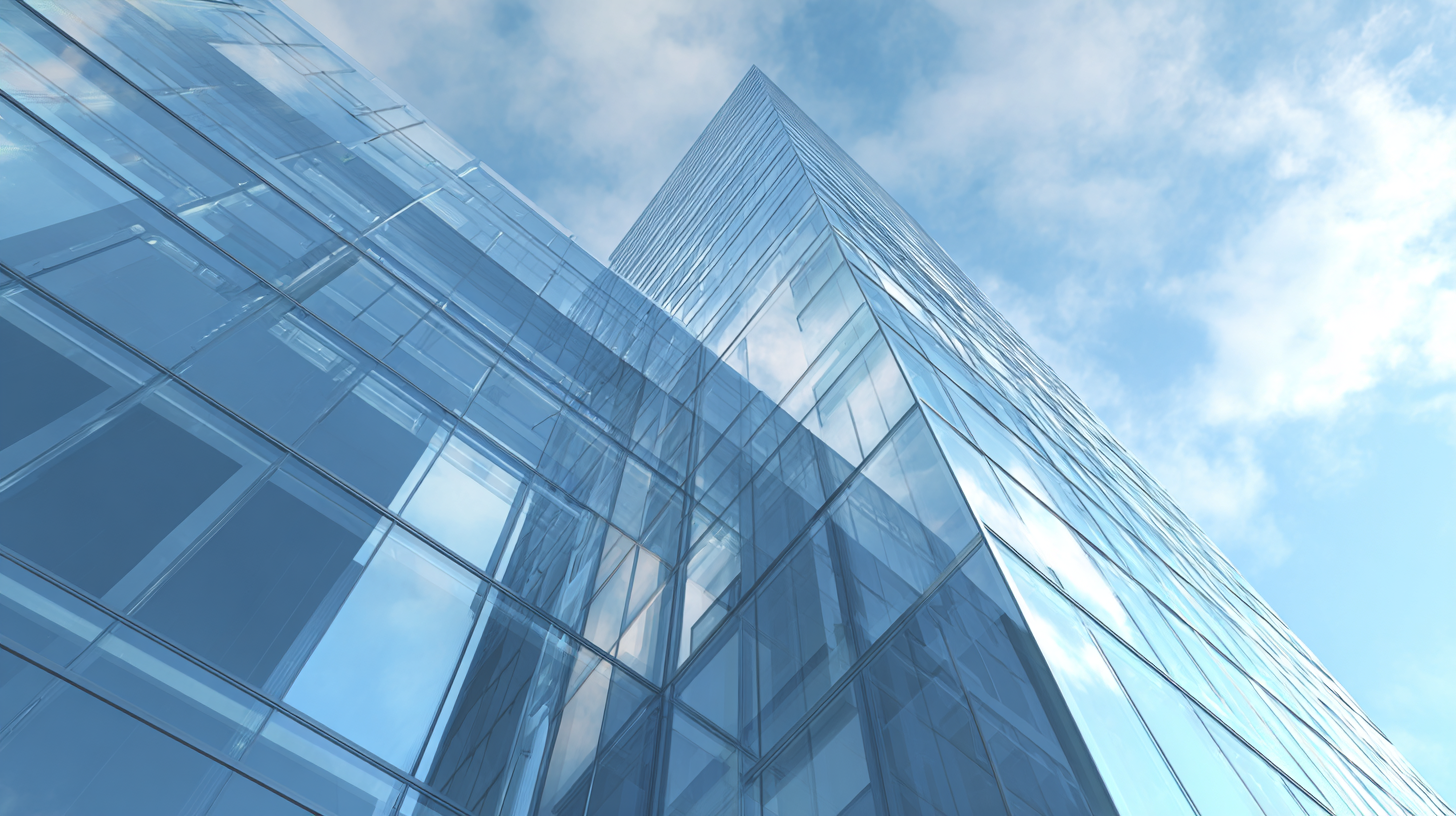
Laminated Glass Printing is honestly apretty cool breakthrough that blends art with architecture in a whole new way. Basically, it’s about printing digital images onto sheets of glass, then bonding them together with a special adhesive. What’s great is that this process keeps the colors vivid and the details sharp—plus, it actually makes the glass stronger and more durable. So, architects and designers now have a ton of creative options to craft eye-catching facades or interior features that not only look amazing but can also stand the test of time.
In today’s architectural world, using Laminated Glass Printing really boosts the visual appeal while ticking practical boxes too. You can customize designs to tell a story, showcase cultural themes, or even reflect a company's brand identity in asuper unique way. And beyond looks, Laminated Glass offers practical benefits like better energy efficiency and UV protection – meaning buildings are not just pretty but alsosmarter and more sustainable. As technology keeps moving forward, methods like digital printing on laminated glass are seriously reshaping how we think about space, merging art and architecture in ways that felt pretty impossible not long ago.
When optimizing your greenhouse, choosing the right glazing material is crucial for enhancing light transmission and maintaining an ideal growing environment. One popular option is 3mm horticultural glass, which is specifically designed for horticultural applications and offers several advantages. According to industry reports, while horticultural glass is the lowest grade of glass available, its cost-effectiveness makes it a preferred choice for many greenhouse owners. With a lower price point than toughened glass, 3mm horticultural glass allows growers to maximize their investment while covering larger areas.
However, it's important to consider the characteristics of horticultural glass. Unlike float glass, this option may have minor marks or blemishes that do not impede its functionality. The glass is easily cut to size, providing flexibility during installation, whereas toughened glass must be purchased in pre-determined sizes. This adaptability can save time and resources during construction or remodeling projects. Additionally, transport logistics for such materials are streamlined, with options for sea or rail shipping available, ensuring your greenhouse project remains on track and within budget.
While 3mm horticultural glass does have a tendency to break into sharp shards, proper handling and support structures can mitigate safety concerns. Reports suggest that when correctly installed, this type of glass can provide adequate insulation and light diffusion, contributing to a healthier plant environment. For growers looking to optimize their facilities without compromising on quality, 3mm horticultural glass represents an excellent balance between affordability and functionality.
: Laminated glass printing is a technique that combines digital prints with glass sheets, which are then laminated using a special adhesive. This process preserves the detail of the images and enhances the structural integrity of the glass.
It enhances aesthetic appeal and functionality, allowing architects to customize designs with cultural narratives or corporate identities, while also improving energy efficiency and UV protection.
Yes, laminated glass is designed to enhance structural integrity and can fortify buildings against environmental stresses like hurricanes, making it ideal for high-rise constructions in areas prone to severe weather.
One example is the Lake Tahoe Glass House, which features extensive use of laminated glass to provide sweeping views while maintaining energy efficiency and structural strength.
By improving energy efficiency and providing UV protection, laminated glass contributes to sustainable building practices while enhancing the visual aspects of architecture.
The global market for architectural glass is anticipated to reach over $1.4 trillion by 2032, indicating a growing demand for innovative solutions like laminated glass printing in modern architecture.
Laminated Glass Printing has really become a game-changer in modern architecture. It's not just about looking good—it also offers some pretty cool solutions for architects who want to get creative. Using advanced printing techniques, designers can craft eye-catching glass features that really boost the overall vibe and style of a building. In this overview, I’ll dive into some of the most exciting ways laminated glass printing is being used today. From how it makes structures more attractive to how it supports eco-friendly practices, there's a lot to explore.
There are some awesome real-world examples showing just how versatile and impactful this technology can be. Companies like QINHUANGDAO LIANYIDING GLASS CO., LTD. are leading the charge, producing top-notch laminated glass that fits perfectly with what modern architecture needs. As the industry keeps shifting and growing, laminated glass printing really stands out — it’s a perfect mix of creative flair and practical sustainability, shaping the future of design in a pretty impressive way.


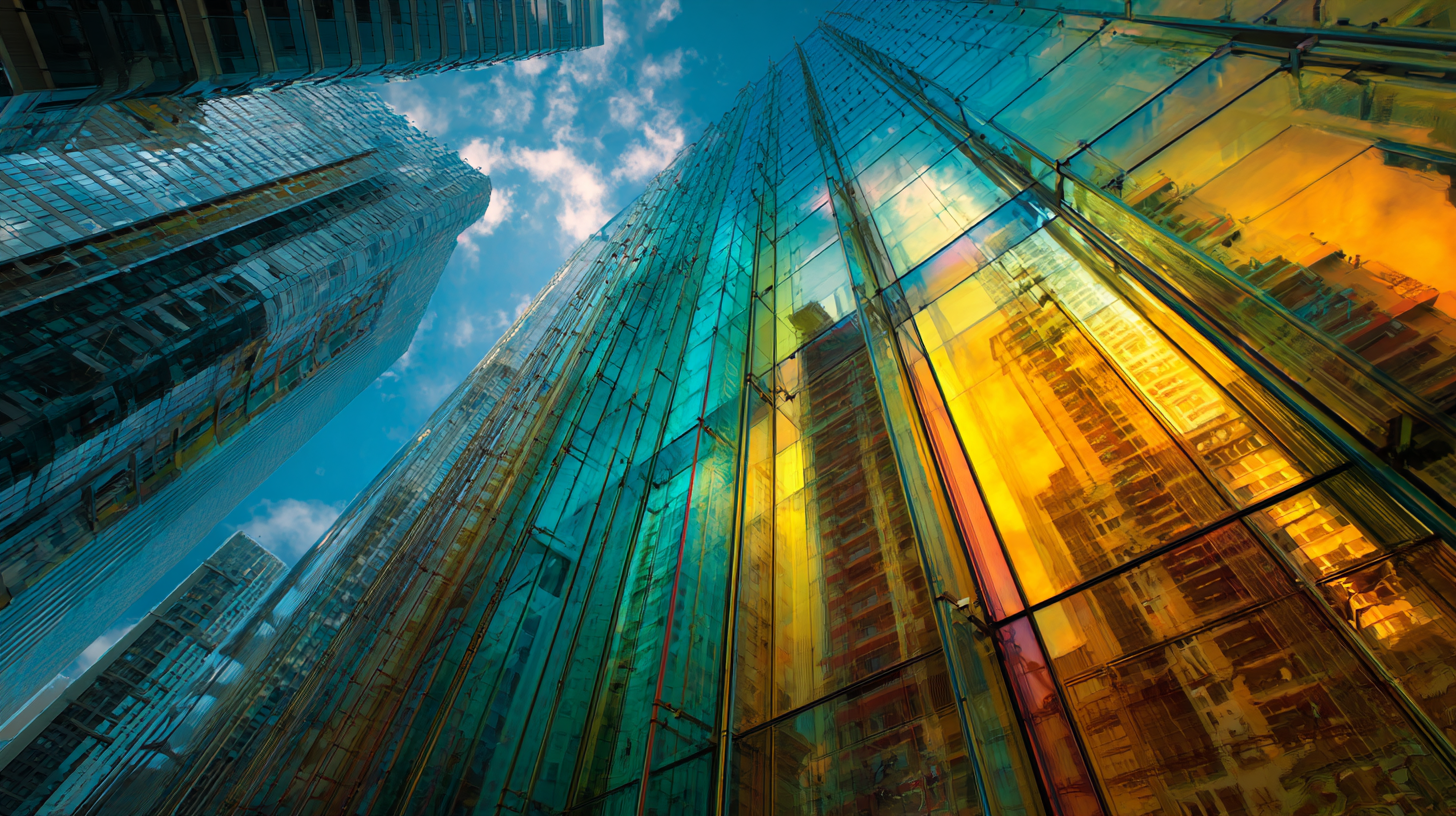
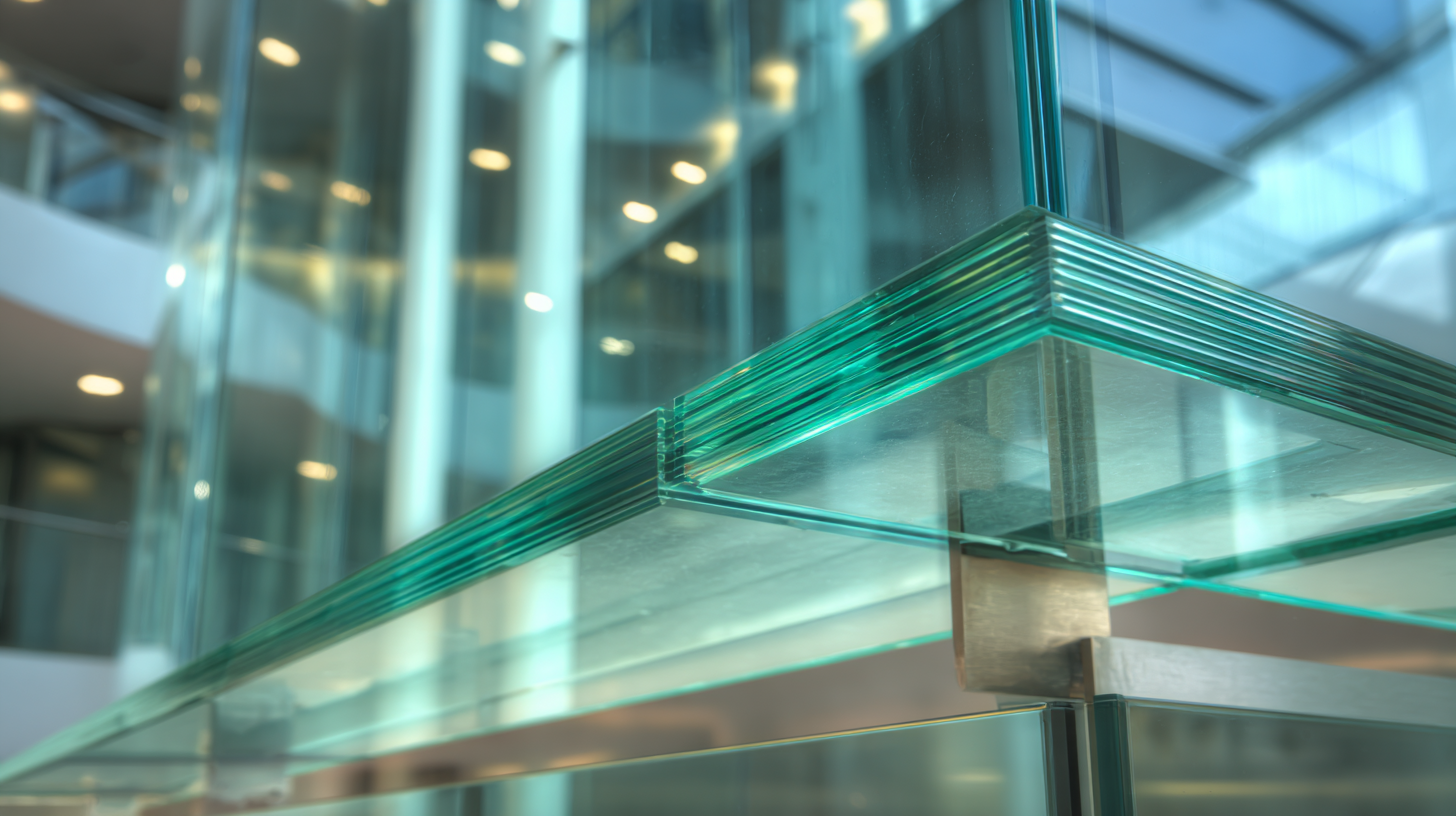 Laminated glass printing has really become a game-changer in modern architecture these days. It’s not just about looking good; it actually offers some pretty serious functional benefits too. If you look at recent examples, like the Lake Tahoe Glass House—a super fancy, contemporary home—you’ll see exactly what I mean. This place, which is on the market for a hefty $45 million, uses a ton of laminated glass. It’s incredible because it gives stunning, wide-open views without sacrificing strength or energy efficiency—key features, especially in areas where the weather can get pretty wild.