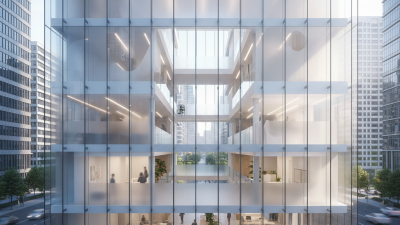
When it comes to architectural innovation, Frosted Laminated Glass really stands out as a pretty game-changing material. It does a great job of blending style and function—something architects and designers are loving these days. I read what Dr. Emily Houghton, a well-known expert in glass tech, had to say about it. She mentioned that "Frosted Laminated Glass not only offers better privacy but also boosts the overall look of any space." That honestly sums up why so many professionals are adding it to their projects.
But the perks of Frosted Laminated Glass aren't just about looks. Thanks to the lamination process, it's super safe—if it ever breaks, the shards stay bonded together, so there's less chance of getting hurt. Plus, the frosted finish acts as a sort of privacy shield, still letting in soft, diffused natural light, which makes it a solid pick for most homes and commercial places. As cities get busier and more modern, I think we're going to see more of this kind of material—mixing style with safety and practicality in today’s buildings.
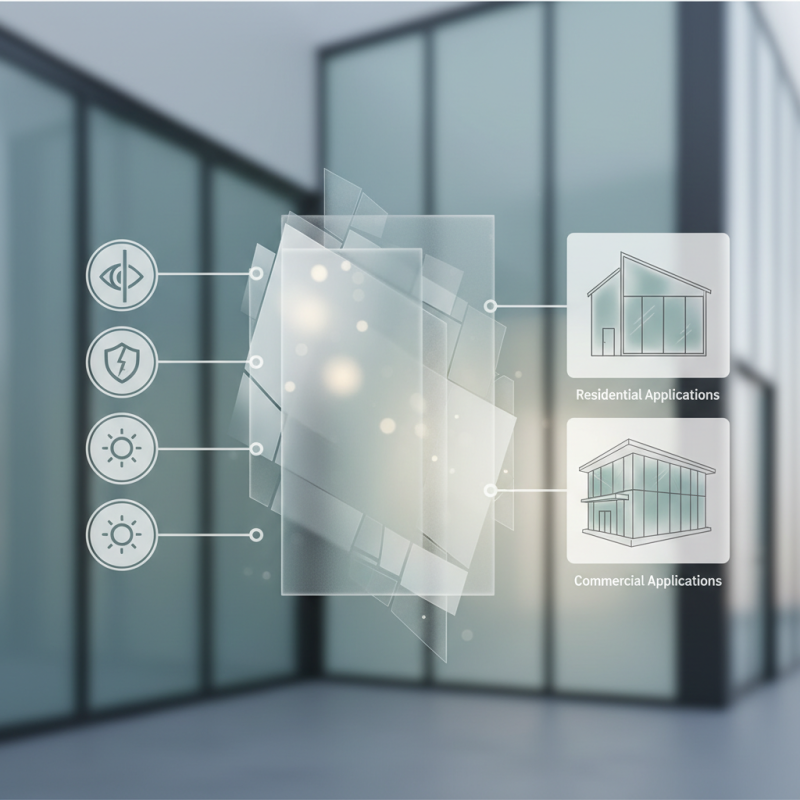
Overview of Frosted Laminated Glass
Frosted Laminated Glass is anengineered material that combines aesthetic appeal with practical functionality. This type of glass features a layer of frosted or opaque finish applied between two sheets of glass, providing a unique visual effect while ensuring privacy and safety. Its translucent quality allows natural light to filter through, making it an excellent choice for applications where illumination is desired without clear visibility, such as in offices, bathrooms, or conference rooms.
In addition to its decorative attributes, Frosted Laminated Glass offersenhanced durability and protection compared to standard glass. The laminated construction ensures that, in the event of breakage, the glass fragments adhere to the interlayer, reducing the risk of injury and making it a safer option for both residential and commercial environments. This type of glass also contributes to sound insulation, effectively minimizing external noise intrusion, and provides UV protection, thus preserving the integrity of interiors against sun damage. With its blend of safety, aesthetic versatility, and functional benefits, Frosted Laminated Glass serves as an ideal solution across variousarchitectural and design settings.
Key Benefits of Using Frosted Laminated Glass
Frosted laminated glass offers several key benefits that make it an increasingly popular choice for various applications in architecture and interior design. One of the primary advantages is privacy. The frosted surface obscures visibility while still allowing natural light to permeate spaces, making it ideal for settings such as offices, bathrooms, and meeting rooms. This feature not only enhances comfort but also adds an aesthetic appeal to interiors without compromising brightness.
Another significant benefit is safety. The laminated composition of the glass consists of two or more layers bonded together with a durable interlayer. In the event of breakage, the glass fragments are held together, reducing the risk of injury and making it a safer option for homes and commercial buildings. Additionally, frosted laminated glass can also provide UV protection, helping to reduce glare and protect furnishings from fading, all while maintaining a stylish appearance. With these benefits, frosted laminated glass serves as a versatile choice that enhances both functionality and design.
Common Applications in Architecture and Interior Design
Frosted laminated glass has carved out a significant niche in both architecture and interior design due to its blend of aesthetic appeal and functional benefits. According to a report by Research and Markets, the architectural glass market is projected to grow steadily, with frosted glass leading the way due to its ability to provide privacy without sacrificing natural light. This makes it a favored choice in spaces such as offices, conference rooms, and residential bathrooms, where visual discretion is paramount. For instance, in commercial settings, frosted laminated glass can enhance the overall design while reducing distractions, thereby improving productivity and comfort for employees.
Moreover, the application of frosted laminated glass extends beyond mere privacy. It is often employed in decorative partitions, skylights, and facades, providing a modern touch to any structure. The smooth, diffused surface of frosted glass can create an inviting atmosphere in public spaces, such as hotels and restaurants, as highlighted in the International Journal of Architectural Engineering. Additionally, its durability, relative safety due to lamination, and resistance to UV rays make it a reliable choice for both indoor and outdoor environments. Overall, the versatility and functional advantages of frosted laminated glass underscore its growing popularity in contemporary design practices.
Comparison with Other Glass Types: Frosted vs. Clear Laminated Glass
Frosted laminated glass and clear laminated glass each offer distinct advantages and are suited for different applications. Frosted laminated glass, characterized by its translucent surface, provides privacy while still allowing natural light to enter a space. This makes it an excellent choice for interior partitions, bathrooms, and conference rooms. The frosted finish diffuses light, reducing glare and creating a softer ambiance, which can be particularly beneficial in environments where comfort and aesthetics are priorities.
On the other hand, clear laminated glass is valued for its unobstructed visibility and clarity. It is often used in storefronts and façades, where visibility is essential for attracting customers and showcasing products. Clear laminated glass maintains a modern aesthetic and is preferred in situations where transparency is desired, such as in residential houses with views. While it offers less privacy than frosted glass, its strength and resilience make it ideal for safety applications, including windows and glass doors. Ultimately, the choice between frosted and clear laminated glass will depend on specific needs, including privacy requirements, light transmission, and the overall design vision.
Manufacturing Processes of Frosted Laminated Glass
Frosted laminated glass is manufactured through a sophisticated process that enhances its aesthetic appeal and functional benefits. The base of this glass consists of two or more layers of glass that are bonded together with an interlayer, typically made of polyvinyl butyral (PVB) or ethylene vinyl acetate (EVA). The frosted effect is usually achieved by sandblasting or acid etching one or both surfaces of the glass before the lamination process. This treatment not only provides a decorative finish but also significantly enhances the glass's privacy without sacrificing natural light.
Once the glass has been frosted, the lamination process begins. The prepared glass layers are assembled with the interlayer positioned between them. The assembly is then subjected to heat and pressure in an autoclave – a specialized chamber that creates a controlled environment. This crucial step ensures that the layers bond securely, resulting in a resilient product. The lamination process also imparts additional safety benefits; if the glass breaks, the interlayer holds the shards together, minimizing the risk of injury and maintaining the integrity of the structure. As a result, frosted laminated glass is widely used in various applications, including residential and commercial settings, where privacy and safety are paramount.
Applications of Frosted Laminated Glass
Maintenance and Care Tips for Frosted Laminated Glass
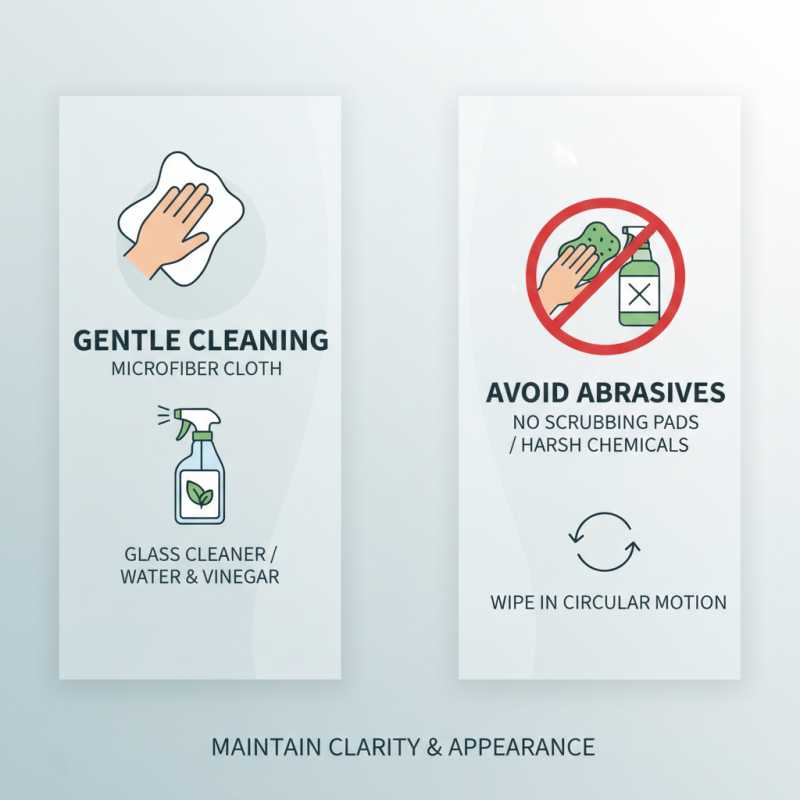
To maintain the aesthetic and functional qualities of frosted laminated glass, regular cleaning is essential. Use a soft microfiber cloth and a gentle glass cleaner or a mixture of water and vinegar to avoid scratching the surface. It’s important to avoid abrasive cleaners or scrubbing pads, as these can damage the frosted finish. Instead, gently wipe in a circular motion to remove dust and fingerprints, ensuring that the glass maintains its clarity and appearance.
In addition to regular cleaning, it's also important to be mindful of temperature changes and heavy impacts. While frosted laminated glass is designed for durability, extreme temperature variations can lead to thermal stress, which might cause cracking. To protect your glass, avoid exposing it to direct sunlight for extended periods, and ensure that heavy objects are not placed on or against the glass. By following these care tips, you can preserve the integrity and beauty of frosted laminated glass in any environment.
Future Trends in Frosted Laminated Glass Technology
The future of frosted laminated glass technology is bright, driven by advancements in material science and manufacturing processes. According to a report by Research and Markets, the laminated glass market is projected to grow at a CAGR of 5.2% from 2021 to 2026, highlighting the increasing demand for this innovative glass type. Key trends in the industry include the integration of smart technologies, such as electrochromic and photochromic coatings, which allow for adjustable privacy and light transmission. These smart glasses can enhance energy efficiency in buildings by optimizing natural light usage, thereby reducing energy costs.
Additionally, the rise of sustainable building practices is influencing the frosted laminated glass market. Manufacturers are exploring eco-friendly materials and recycling methods to minimize their carbon footprint. The adoption of green building certifications, such as LEED, is pushing architects and builders towards using frosted laminated glass for its aesthetic appeal and functionality, without compromising sustainability. Market research suggests that demand for sustainable construction materials will rise, with frosted laminated glass being a prime candidate due to its versatility and ability to provide both visual privacy and energy efficiency. As this technology continues to evolve, we can expect more innovative applications across various sectors, including residential, commercial, and automotive, reinforcing the importance of frosted laminated glass in modern architecture.
Understanding the Benefits and Applications of Frosted Laminated Glass - Future Trends in Frosted Laminated Glass Technology
| Dimension | Data |
| Light Transmission (%) | 50-70 |
| Safety Rating | Impact Resistant |
| UV Protection (%) | 99 |
| Noise Reduction Rating (NRR) | Up to 30 dB |
| Common Applications | Offices, Bathrooms, Balustrades |
| Future Trends | Smart Glass Integration, Sustainable Materials |
FAQS
: Frosted laminated glass offers enhanced privacy, safety, UV protection, and aesthetic appeal while allowing natural light to enter spaces.
The frosted surface obscures visibility while still allowing natural light to permeate, making it suitable for areas like offices and bathrooms.
Yes, the laminated composition holds glass fragments together upon breakage, reducing the risk of injury.
It is ideal for both residential and commercial settings, including offices, bathrooms, and meeting rooms, where privacy and safety are important.
The frosted effect is typically achieved through sandblasting or acid etching one or both surfaces of the glass before the lamination process.
The interlayer is commonly made of polyvinyl butyral (PVB) or ethylene vinyl acetate (EVA).
The glass layers are bonded together with an interlayer and are subjected to heat and pressure in an autoclave to ensure a secure bond.
Yes, it helps reduce glare and protect furnishings from fading due to UV exposure.
The frosted surface offers a decorative finish that complements interior designs without compromising on natural light.
It is used in various applications, including residential homes and commercial buildings, prioritizing privacy, safety, and stylish design.
Conclusion
Frosted Laminated Glass is a versatile material that offers both aesthetic appeal and functional benefits. This specialized type of glass is created through a process that involves the bonding of layers, resulting in enhanced safety and sound insulation. Key benefits include improved privacy and light diffusion, making it an ideal choice for various architectural and interior design applications, such as office partitions and shower enclosures.
In comparison to clear laminated glass, Frosted Laminated Glass stands out for its ability to obscure visibility while still allowing natural light to enter a space. Understanding its manufacturing processes is crucial, as they contribute to the glass's strength and durability. Proper maintenance and care are essential to preserve its appearance and functionality. As technology advances, future trends indicate that Frosted Laminated Glass will continue to evolve, integrating innovative features that enhance its usability in modern design.