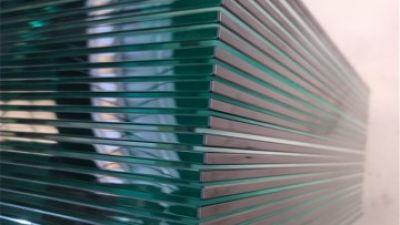
You know, as garden architecture keeps evolving, there's definitely more focus on choosing quality materials. Take toughened glass for garden houses, for example — it's really leading the way right now, balancing durability with good looks. I was reading what Dr. Emily Zhao, an expert in building materials, mentioned — she said, "The right kind of glass can turn your garden house into a real sanctuary." And honestly, that sums up why picking good materials really matters.
Toughened Glass, in particular, is pretty amazing because it can handle rough weather and still give you those nice, clear views outside. Plus, it helps with energy efficiency, which is a big deal for folks trying to be eco-friendly. But here's the thing — not all suppliers are the same. Some products might not quite meet your expectations, so it's super important to look at your options carefully.
Even with all these pluses, choosing the best Toughened Glass can be tricky. Things like thickness, how it's treated, and even who you're buying from — those all make a big difference in how well it performs. In this market that's only growing, making smart choices is key if you really want that perfect garden house setup.
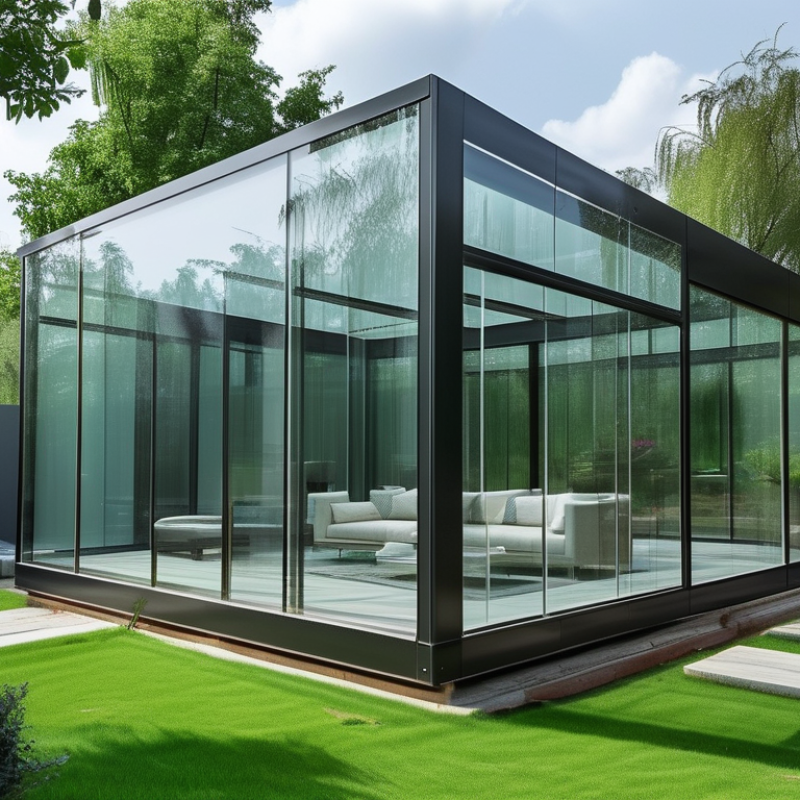
2026 Market Trends in Toughened Glass for Garden Houses in China
In 2026, the demand for Toughened Glassin garden houses is expected to rise significantly in China. Consumers increasingly prefer durable materials that enhance aesthetics while providing safety. Toughened Glass offers an ideal solution. It'sstrong and can withstand various weather conditions. This quality makes it perfect for garden houses, which face exposure to sunlight and rain.
Tips: When choosing Toughened Glass, consider itsthickness. Thicker glass provides better durability. Also, look for UV protection properties to prevent fading of interior furnishings.
The market trends indicate a growing interest in sustainable options. Recycled materials in glass production can be appealing to eco-conscious homeowners. However, the availability of such products may vary. Ensure to check the sourcing and manufacturing practices of your suppliers. The choice of "Glass For Aluminum Garden Houses" should reflect both quality and sustainability.
Another area of observation is styling. Many consumers want designer looks without compromising on safety. Finding the right balance can be challenging. Customization options may be limited, so discuss designs carefully with suppliers. Innovative trends might include tinted glass for privacy while still allowing light. Stay updated with industry patterns to make informed decisions.
Key Characteristics of High-Quality Toughened Glass for Outdoor Use
When it comes to Toughened Glass for outdoor applications, several characteristics stand out. First, this type of glass is known for its high durability. It can withstand harsh weather conditions and resist breakage. This is crucial for garden houses, where fluctuations in temperature and wind can be extreme.
Additionally, Toughened Glass iseasier to clean and maintain, making it a practical choice for outdoor settings.
Another key characteristic is its thermal efficiency. High-quality Toughened Glass helps regulate indoor temperatures by minimizing heat loss. This is essential for creating a comfortable environment in garden houses throughout the year. Furthermore, when considering options likeGlass Panels For Aluminum Garden Houses, pay attention to their UV resistance. This property prevents damage from sun exposure, ensuring longevity and clarity over time.
While Toughened Glass offers many benefits, it is important to recognize potential downsides. The installation process can be complex andrequires professional handling. Additionally, improper handling during installation can lead to cracks. Therefore, it is vital to consult with experts and reflect on the best practices for using Toughened Glass in garden environments.Careful consideration ensures that buyers make informed decisions.
Industry Standards and Certifications for Toughened Glass in China
In recent years, the demand for high-quality toughened glass in garden houses has surged. According to the China Glass Industry Association, the market for toughened glass is projected to grow by 8% annually until 2026. This growth is driven by rising consumer preference for durable and aesthetically pleasing building materials.
Industry standards play a crucial role in ensuring the quality and safety of toughened glass products. The national standard GB 15763.2-2005 outlines specific requirements for the performance and testing of architectural glass. Compliance with this standard indicates that the glass can withstand high pressure and temperature fluctuations, essential for outdoor settings. Certifications such as the ISO 9001 ensure a consistent level of quality in production processes, promoting consumer trust.
Despite advancements, challenges remain. Some manufacturers overlook certain safety benchmarks, potentially compromising product integrity. This raises concerns about long-term durability and user safety. As consumers become more informed, it is imperative for manufacturers to adhere strictly to the prescribed industry standards. The industry must focus on transparency and continuous improvement to maintain credibility and consumer confidence in toughened glass for garden houses.
Comparative Analysis of Toughened Glass Suppliers in 2026
In 2026, the demand for high-quality toughened glass for garden houses is soaring. Consumers are looking for durability and aesthetic appeal. A comparative analysis of suppliers reveals significant differences in product offerings. Some suppliers focus heavily on energy efficiency, while others emphasize strength and impact resistance. It is crucial to weigh these factors based on individual project needs.
Many manufacturers offer glass panels with varying thicknesses and coatings. Thicker panels generally provide better insulation. However, they may also be heavier and more challenging to install. The finish on some glass panels can affect glare and UV protection. While some options boast superior clarity, others might present distortion issues. Navigating these choices can feel overwhelming.
Not all suppliers adhere to the same quality standards. Checking certifications can be beneficial. There are instances where a low-cost option initially seems attractive but ultimately compromises longevity. It’s essential to reflect on long-term benefits versus upfront costs when selecting Glass Panels For Garden Houses. Investing in high-quality materials could save money in maintenance and replacement down the line.
Cost-Benefit Analysis of Toughened Glass vs. Traditional Materials
When considering construction materials for garden houses, the cost-benefit of toughened glass versus traditional materials is crucial. Toughened glass offers superior strength and durability. It can withstand harsh weather and impacts better than wood or plastic alternatives. This durability may reduce maintenance costs over time.
However, the initial investment for toughened glass can be high. Homeowners must weigh this upfront cost against long-term benefits. Traditional materials like wood may be cheaper but often require frequent replacements or repairs. The longevity of toughened glass can lead to savings in the long run.
There's also the aesthetic appeal to consider. Toughened glass allows for maximized natural light and offers a modern finish. This may enhance the garden house's visual appeal. Yet, some might find it unappealing in certain contexts. Balancing aesthetics with practicality is essential for a successful garden house design.
2026 Top Choices for China High-Quality Toughened Glass in Garden Houses
| Material Type | Thermal Insulation (W/m²·K) | Impact Resistance (J) | Weight (kg/m²) | Cost (CNY/m²) | Lifespan (years) |
| Toughened Glass | 1.2 | 30 | 20 | 300 | 25 |
| Polycarbonate | 2.5 | 6 | 10 | 150 | 10 |
| Acrylic | 3.0 | 8 | 8 | 180 | 15 |
| Regular Glass | 1.9 | 3 | 25 | 100 | 10 |
Innovative Applications of Toughened Glass in Modern Garden House Design
Toughened glass is transforming garden house design in innovative ways. Designers are using this material to create seamless connections between indoor and outdoor spaces. Its strength and durability allow for expansive glass walls that enhance natural light. This feature fosters a sense of openness. Homeowners enjoy uninterrupted views of their gardens, creating a tranquil atmosphere.
The applications extend beyond aesthetics. Toughened glass provides thermal insulation. This keeps garden houses comfortable in varying weather conditions. Its safety features are equally important. Unlike regular glass, it shatters into small pieces when broken, reducing injury risks. However, the installation process can be complex. Proper framing and securing are critical. Mistakes can lead to structural weaknesses.
There remains debate about the environmental impact of toughened glass production. Although it's durable, its manufacturing process can be energy-intensive. Future innovations may focus on more sustainable methods. Balancing durability with eco-friendliness is essential. Garden house design continues to evolve, pushing boundaries with materials like toughened glass while seeking improved sustainability.
Future Projections for Toughened Glass Demand in the Chinese Market
The demand for toughened glass in China is poised for significant growth. According to a recent report by the China Glass Industry Association, the market for toughened glass is expected to expand at a compound annual growth rate (CAGR) of 8% from 2024 to 2028. This increase is driven by the rising popularity of garden houses and other outdoor structures. Many homeowners are prioritizing durable materials for their investments.
In particular, 4mm toughened glass for aluminum greenhouse and garden house construction is gaining traction. It offers remarkable thermal insulation and safety features. A study from the Chinese Academy of Building Research indicates that nearly 60% of new garden houses will integrate toughened glass in their designs by 2026. However, there are concerns regarding sourcing high-quality materials. The industry is still grappling with uneven quality issues, which can affect overall customer satisfaction.
Moreover, sustainability is emerging as a key factor in consumer choices. The shift towards eco-friendly products drives the need for transparent production practices. Manufacturers must ensure compliance with environmental standards. While this presents an opportunity for growth, it also underscores the need for improved regulation in the industry. Balancing quality with sustainability remains a challenge as the market evolves.
2026 Top Choices for China High-Quality Toughened Glass in Garden Houses
This chart illustrates the projected demand for high-quality toughened glass in the Chinese garden house market for the year 2026. The data suggests a continuous growth trend, with 'Product D' showing the highest anticipated demand.
Comprehensive Guide to Sourcing High-Quality Clear Tempered Glass (4mm-12mm) from Reliable Chinese Manufacturers
When sourcing high-quality clear tempered glass from reliable Chinese manufacturers, it is essential to understand the unique qualities and advantages these products offer. Tempered glass, known for its robust strength thanks to the specialized heat treatment process called quenching, stands out as a safer alternative to traditional glass options. Upon breaking, tempered glass shatters into small, blunt pieces, significantly reducing the risk of injury. This makes it an ideal solution for various applications, especially in environments where safety is a top priority, such as in commercial buildings or residential spaces.
In addition to its safety features, clear tempered glass provides excellent visibility and transparency. As a type of standard float glass that remains uncoated and untinted, it allows for exceptional light transmission, enhancing the overall aesthetic of any space. Whether used in windows, doors, or interior fixtures, this clear glass ensures an unobstructed view and a bright atmosphere. Partnering with reputable manufacturers ensures that the glass not only meets quality standards but also delivers consistent performance in both residential and commercial settings.
FAQS
: Toughened glass provides superior strength and durability, making it ideal for harsh weather conditions.
While toughened glass has a higher initial cost, it can save money on maintenance and replacements over time.
Homeowners should weigh factors like insulation, thickness, glare, and UV protection to suit their project needs.
Yes, toughened glass maximizes natural light and offers a modern finish, enhancing the visual appeal.
When broken, toughened glass shatters into small pieces, reducing the risk of injury compared to regular glass.
Yes, the manufacturing process is energy-intensive, prompting a need for more sustainable production methods.
Thicker panels provide better insulation but may be heavier and harder to install, posing challenges.
While it offers many benefits, improper installation can lead to structural weaknesses, so care is needed.
No, quality standards vary among suppliers. Checking certifications can help ensure reliable options.
It allows for expansive glass walls, fostering openness and uninterrupted views of gardens for a tranquil feel.
Conclusion
The article explores the trends and characteristics of toughened glass for garden houses in China as we approach 2026. It highlights the key features that define high-quality toughened glass for outdoor applications, emphasizing its durability, safety, and aesthetic appeal. With the increasing demand for superior materials, the article examines industry standards and certifications ensuring the reliability of toughened glass products.
Additionally, a comparative analysis of suppliers sheds light on the competitive landscape, while a cost-benefit assessment illustrates the advantages of toughened glass over traditional building materials. Innovative applications in modern garden house design further enhance its appeal, suggesting a strong future demand for toughened glass in the Chinese market. As the garden house industry evolves, toughened glass is poised to play a crucial role in creating functional and visually striking outdoor spaces.