- Home
- Products
- About Us
- Project
- Technical Advantage
- News
- Contact Us
Inquiry
Leave Your Message
Hey, have you noticed how everyone’s talking about Insulated Glass Doors and windows these days? It’s no wonder — they’re not just about looking sleek, but also about saving energy and cutting costs. According to the folks over at the Glass Association, the market for these insulated glass products is expected to grow around 5% each year, mainly because more and more people are really into sustainability these days. James Sullivan, who’s pretty much a big name in the industry, puts it simply: “If you go for high-quality insulated glass, you’re not just making your home more comfortable—you’re also saving money on energy bills.” Honestly, it’s a no-brainer.
Now, the tech behind these glass doors and Windows has come a long way. One of the coolest things is the Low-E coatings that bounce back unwanted heat. That means better insulation and lower cooling costs. But, here’s the tricky part—lots of folks don’t really get what to look for when it comes to specs. They might end up picking the wrong stuff, which doesn’t really meet their needs, and that’s a shame. So, it’s super important to check out performance ratings from trusted sources before making any decisions.
And just a heads up— not all insulated glass is created equal. Some brands promise the moon but deliver pretty average results. That's why it pays to go with reputable manufacturers, especially those leading the way with the latest innovations in things like Low-E glass. Doing a bit of homework now can save you money in the long run and actually make your daily life more comfortable. Trust me, investing a little time into research is totally worth it for any homeowner looking to upgrade.
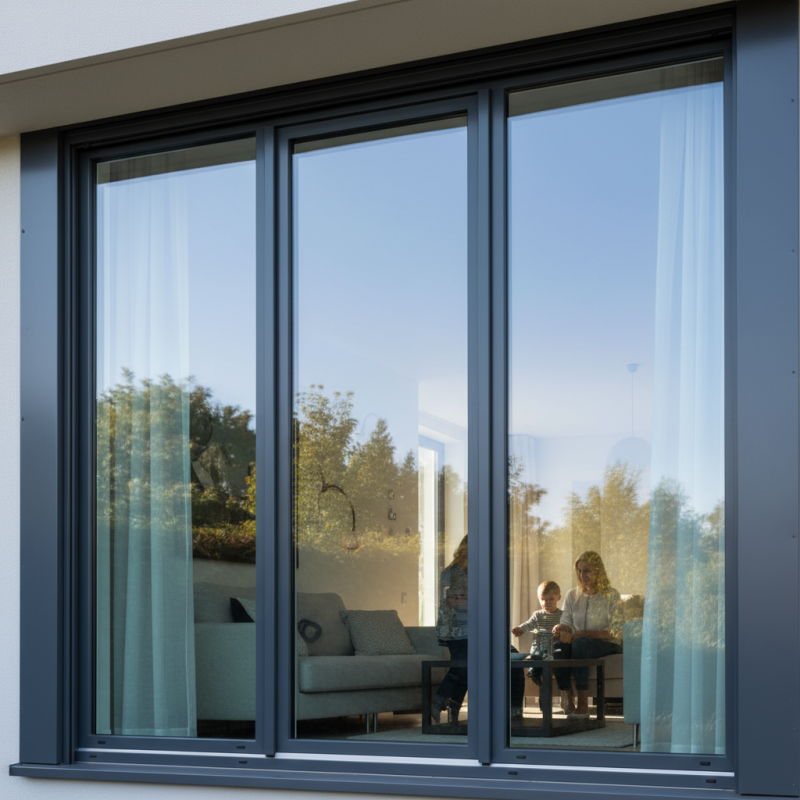
Insulated Glass Doors and windows are essential for energy efficiency. These products reduce heating and cooling costs. According to the U.S. Department of Energy, they can improve energy efficiency by up to 30%. This is beneficial for both the environment and your wallet.
Insulated glass features multiple layers of glass. These layers create an air gap, enhancing insulation. This design minimizes heat transfer. Noise reduction is another key advantage. Homes in loud neighborhoods will benefit greatly from insulated glass. The noise reduction can reach 50% or more.
Tips: Check for low-E (low emissivity) coatings, which reflect heat. Analyze energy ratings before purchasing. This ensures you choose the most efficient option. Remember, the initial investment leads to long-term savings. Don’t overlook potential frame materials. They play a crucial role in overall insulation performance.
| Feature | Description | Benefit | Energy Efficiency Rating |
|---|---|---|---|
| Double Glazing | Two panes of glass with a space in between | Reduces heat loss and noise | A-rated |
| Low-E Coating | Invisible coating that reflects heat | Increases energy efficiency | A-rated |
| Gas Fills | Argon or krypton gas between panes | Improves insulation | A-rated |
| Thermal Breaks | Material that reduces conduction of heat | Prevents heat transfer | B-rated |
| Triple Glazing | Three panes of glass for superior insulation | Maximum thermal efficiency | A+ rated |
Enhancing your home with 3mm and 4mm tempered glass for French doors and windows can significantly elevate the aesthetic appeal and functionality of your living space. French doors often contain multiple small glass panels, typically made from 3mm tempered glass, 3.2mm tempered glass, or 4mm tempered glass. The primary advantage of these materials is their ability to allow an abundance of natural light into your home, creating an inviting and open atmosphere. Whether you want to brighten up a living room or connect indoor and outdoor spaces, tempered glass doors offer a stylish solution.
When considering interior doors, privacy becomes a key factor. In this context, frosted or sandblasted glass options are frequently utilized, providing necessary privacy while still maintaining a modern appearance. The tempered glass used in French doors is engineered to meet strict safety standards, ensuring durability and resilience. Its clear finish, combined with options for polished edges—such as Polished C edge, Pencil Edge, or Flat edge—adds a refined touch to any room. Additionally, customization options are available, allowing for specific sizes and shapes as well as the ability to include features like drilled holes or notched cuts, making it easy to tailor the glass to your unique design needs.
The packaging and shipping of tempered glass are also designed with care to ensure safe delivery. Layers of protective materials, including paper, styrofoam, or PE foam between the glass panels, along with a robust exterior of plastic bags and desiccant, help prevent any damage during transit. The shipping can be arranged via sea or rail, with options for FOB or CIF payment terms. Regardless of the chosen method, the safety and well-being of the delivered products are guaranteed through assured insurance coverage, ensuring peace of mind for clients throughout the process.
: Look for Low-E coatings and a proper energy rating. These features help reduce heating and cooling costs.
Thicker glass offers better insulation and sturdiness. However, it can be harder to install, so consider balance.
Different climates require specific glass specifications for optimal performance, especially in extreme temperatures.
Aesthetic appeal matters. The right style can enhance curb appeal while still being functional.
Proper installation ensures an airtight seal. Misalignments can lead to energy loss and higher costs.
Check for condensation issues, as they may indicate poor insulation. Early action can prevent costly repairs.
Not all products meet claims. Reading reviews helps ensure reliability and performance over time.
Frame material influences long-term performance and durability. Make informed choices for better satisfaction.
Dirty surfaces may lead to air leaks. Always clean surfaces to ensure effective seals and insulation.
The "2026 Top Insulated Glass Doors and Windows Buying Guide" provides comprehensive insights for consumers looking to invest in energy-efficient solutions for their homes. The article begins with an understanding of insulated glass, highlighting its key benefits and features, such as enhanced thermal performance and sound insulation. It categorizes various types of insulated glass doors and windows available in 2026, enabling readers to discern which options best suit their needs.
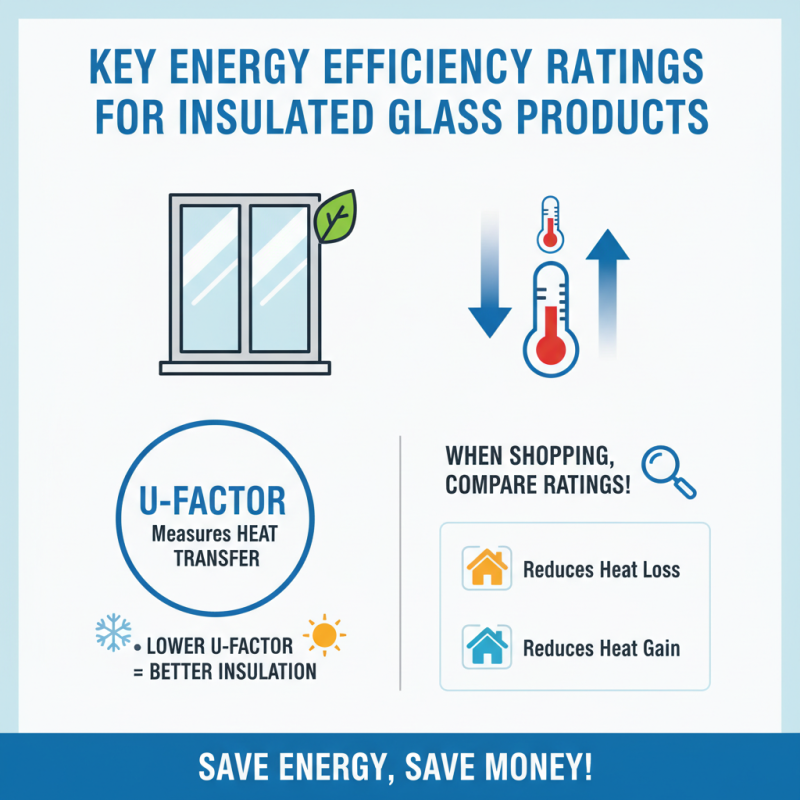
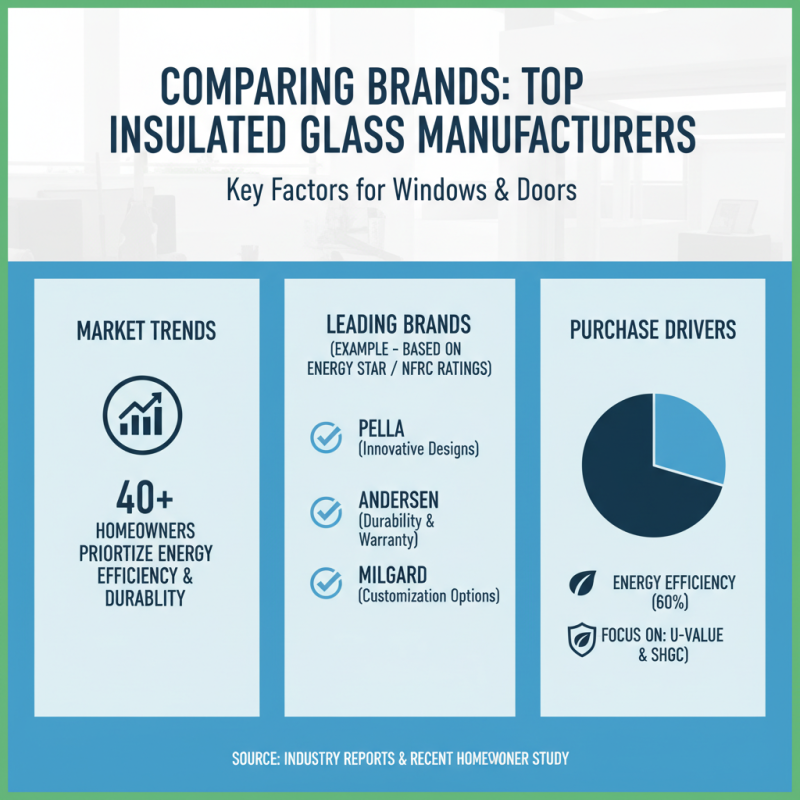
Furthermore, the guide presents essential energy efficiency ratings to consider when evaluating insulated glass products. It offers practical advice on the crucial factors to consider during the selection process, ensuring informed choices. Readers can also compare leading manufacturers in the industry and gain valuable installation tips to ensure optimal performance. Finally, the article emphasizes maintenance best practices for the longevity of insulated glass doors and windows, equipping homeowners with the knowledge to protect their investment for years to come.