Leave Your Message
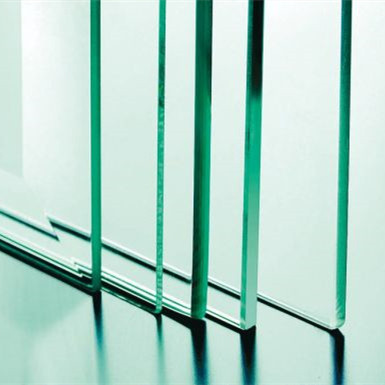
3mm toughened glass for aluminum greenhouse and garden house
Send us message, you will get reply soon.Leave which type glass do you want, the size and QTY is better for us to give you price list soon. If you have pictures or files, Email will better for you. Email: info@dingsen-industry.com
|
3mm Toughened Glass |
|
|
Float glass grade |
A grade |
|
Thick tolerance |
±0.2mm |
|
Application |
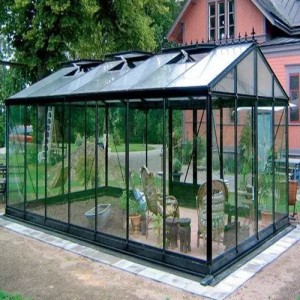
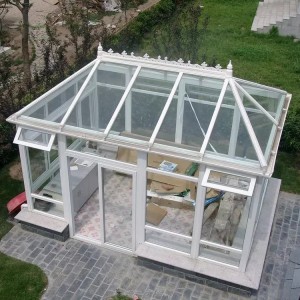
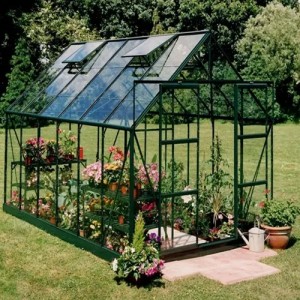
Aluminum Greenhouse, Garden house ,Shed house. |
|
Shape |
Rectangle,Irregular,Square,Trapezoid,triangle |
|
Edge |
Flat edge ,Seamed edge ,arrised edges,Round edge |
|
Min order |
100M2 |
|
Custom size |
Yes |
|
Trademark |
LYD GLASS |
|
Customized logo |
Yes |
|
Packing |
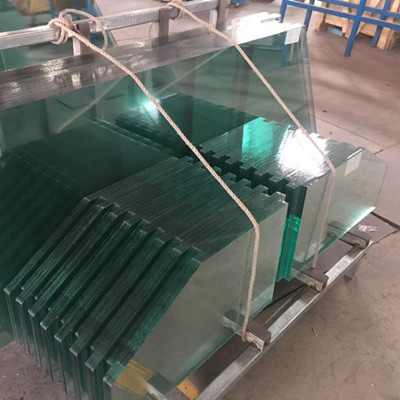
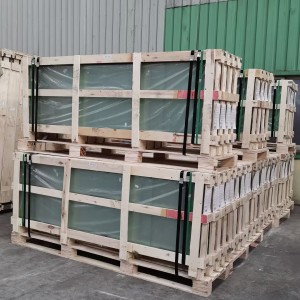
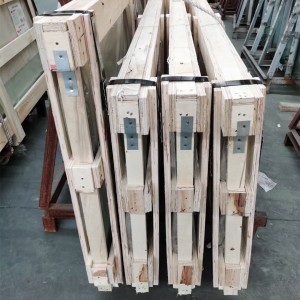
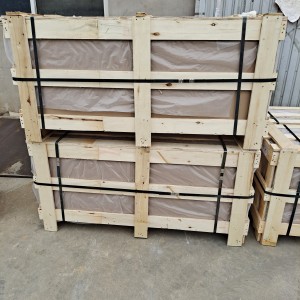
Paper or powder ,Cork mat mat between the glass |
|
Transport Package |
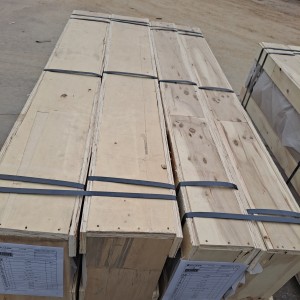
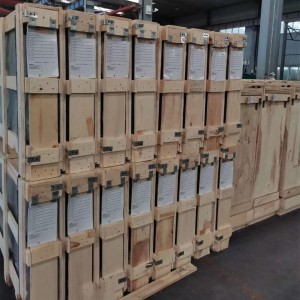
Safety Plywood Crates Packing |
|
Customized packaging |
Yes |
|
Origin |
Qinhuangdao,China |
|
Port: |
Qinhuangdao Port or Tianjin port |
|
Price |
FOB or CIF |
|
Payment Terms: |
T/T |
|
Warranty: |
2-10 Years |
|
Type: |
Tempered |
|
Supply Ability |
Supply Ability: 75 tons per day |
|
Lead Time: |
Within 15 days after confirming order |
|
Certificate or test report: |
CE EN-12150-2:2004,CAN CGSB 12.1-2022 , ANSI Z97.1-2015(R2020), CPSC 16 CFR 1201-2024 . |
Enhanced Strength
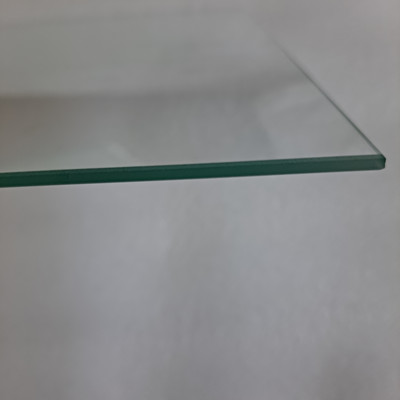
LYD GLASS only uses A-grade float glass to produce tempered glass, which will reduce the self-explosion rate of tempered glass. The edge of the glass is treated to avoid scratching the personnel.
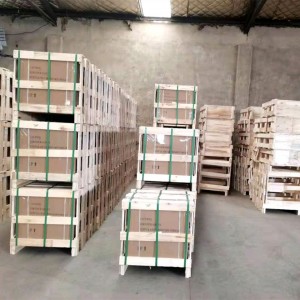
Tempered glass will be packed in strong wooden boxes and our tempered glass complies with American (CAN CGSB 12.1-2022, ANSI Z97.1-2015(R2020) and CPSC 16 CFR 1201-2024) and European standards (CE EN-12150-2:2004).
-
Superior Safety
-
Excellent Thermal Stability
Tempered glass exhibits remarkable thermal stability, capable of withstanding temperature fluctuations ranging from 250 to 320°C. In contrast, ordinary annealed glass can only tolerate temperature changes between 20 and 100°C.
Heating (Furnace Process)
The clean glass is fed into a tempering furnace (also known as a tempering oven or lehr). Inside the furnace, the glass is heated to a very high temperature, typically between 620°C to 700°C (1150°F to 1300°F), which is just above its annealing point but below its melting point.
The heating process is carefully controlled to ensure uniform temperature distribution throughout the glass. The glass softens slightly at this temperature.
Quenching (Rapid Cooling)
Immediately after reaching the desired temperature, the hot glass is rapidly cooled (quenched).
This is achieved by blowing high-pressure air blasts onto both surfaces of the glass simultaneously and uniformly.
The rapid cooling causes the outer surfaces of the glass to cool and solidify much faster than the inner core.
Stress Creation (Compression & Tension)
As the outer surfaces cool and harden, they contract. The interior, still hot and molten, continues to cool and contract more slowly.
The faster-cooled outer layers are put into compression, while the slower-cooled interior remains in tension. This locked-in stress state (compressive stress on the surface and tensile stress in the core) is what gives tempered glass its significantly increased strength and its characteristic safe breakage pattern
Materials: The primary materials involved in tempered glass production are
Float Glass: High-quality annealed (regular) float glass is the base material. This can be clear, low-iron (extra clear), tinted, or coated float glass.
Air: Used extensively in the quenching process.
Water (De-ionized): Used for washing the glass.
Advantages
Superior Strength: 4 to 5 times stronger than annealed glass of the same thickness. This leads to higher resistance against impact, mechanical stress, thermal stress, and bending.
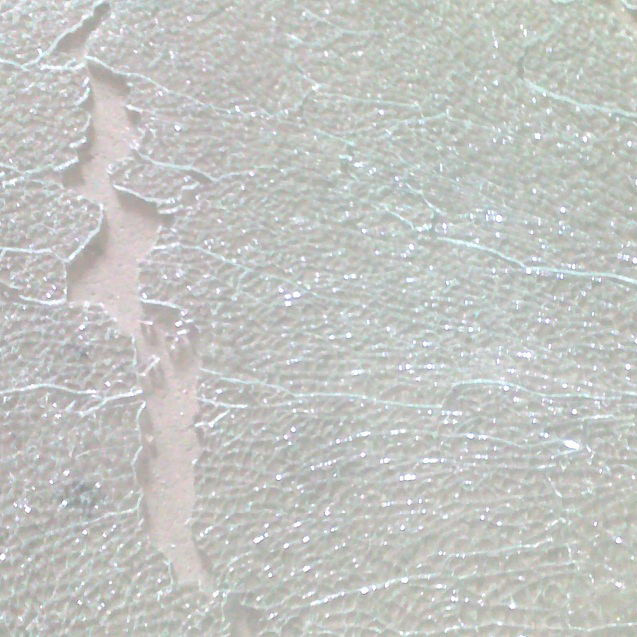
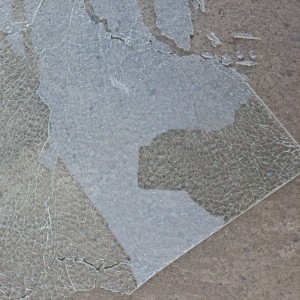
Safety Breakage: Designed to shatter into small, blunt, pebble-like pieces when broken, significantly reducing the risk of serious injury compared to the large, sharp shards of annealed glass.
High Thermal Shock Resistance: Can withstand larger and more rapid temperature differentials (up to 200°C - 300°C) without breaking, making it suitable for environments with fluctuating temperatures.
Durability: Its increased strength makes it more durable and long-lasting in demanding applications.
Versatility: Can be used in a wide range of applications, from architectural to automotive and appliance.
Optical Clarity: Maintains the same optical properties as the original float glass (unless treated with low-iron or tinted glass).
Application Scenarios
Tempered glass is a common choice for applications where safety, strength, and thermal resistance are crucial:
Aluminum Greenhouse , Wood greenhosue ,Garden house ,Shed house . Windows & Doors: PVC Windows,Doors.
For furniture, retail displays.
Appliances: Oven doors, microwave doors, refrigerator shelves.
Standard Compliance: Meets or exceeds standards such as: CE-EN 12150-2:2004 (Europe - for Thermal Toughened Safety Glass) ANSI Z97.1-2015 (R2020) (USA - Safety Glazing Materials) CPSC 16 CFR 1201-2024 (USA - Safety Standard for Architectural Glazing Materials) Tempered glass remains foundational in the modern glass industry, balancing enhanced safety with high performance and aesthetic appeal.
-
Production Process


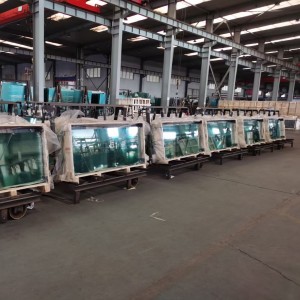
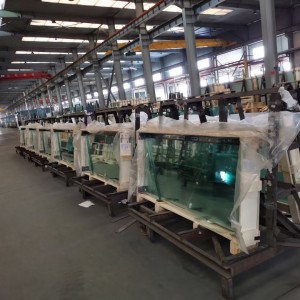
We have a professional sales team with more than 15 years of experience in the glass industry. Modern equipment supports us to quickly deliver orders and strict quality control to ensure perfect products are delivered to each of our customers. Customers first, win-win cooperation.