
Leave Your Message
Products Categories
Featured Products

12mm Tempered Safety Glass for Pool Fence - Trusted China Suppliers & Factory Quality

,

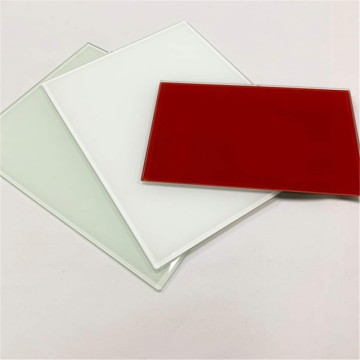
The glass panels for hinges or gates are available in various types, including Clear Tempered Glass, Clear Tempered Laminated Glass, and Frosted Tempered Glass.
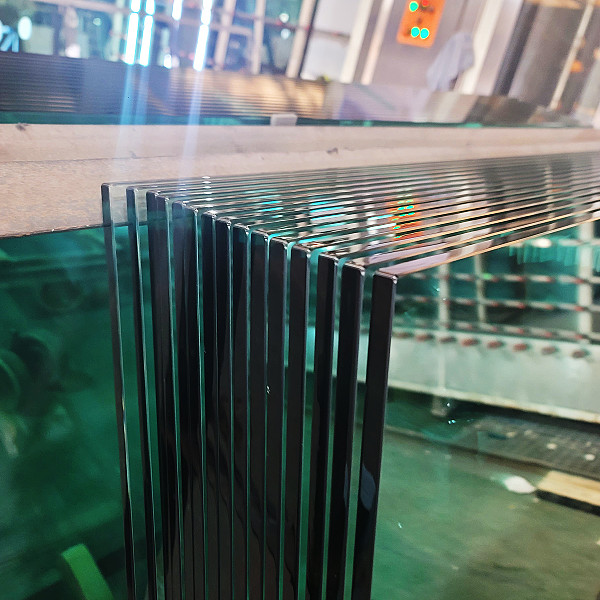
Each panel features perfectly polished, blemish-free edges, ensuring a high-quality finish. Safety is paramount; thus, all glass panels are designed with a 2mm-5mm safety radius at the corners to eliminate sharp edges and hazards.

,

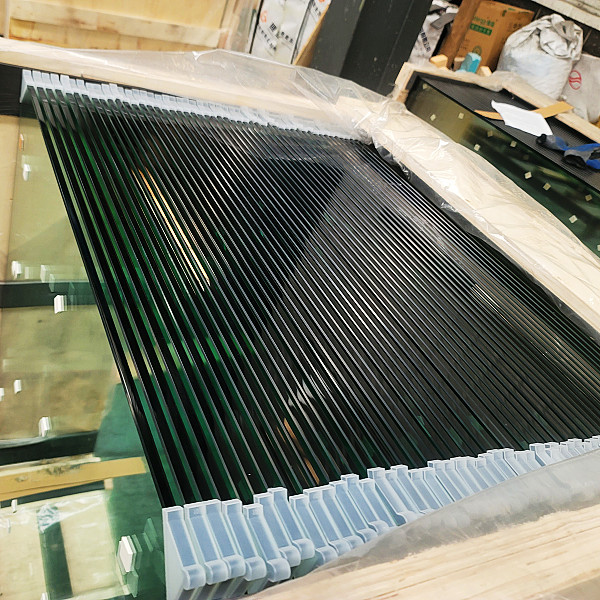
Packing Specifications:
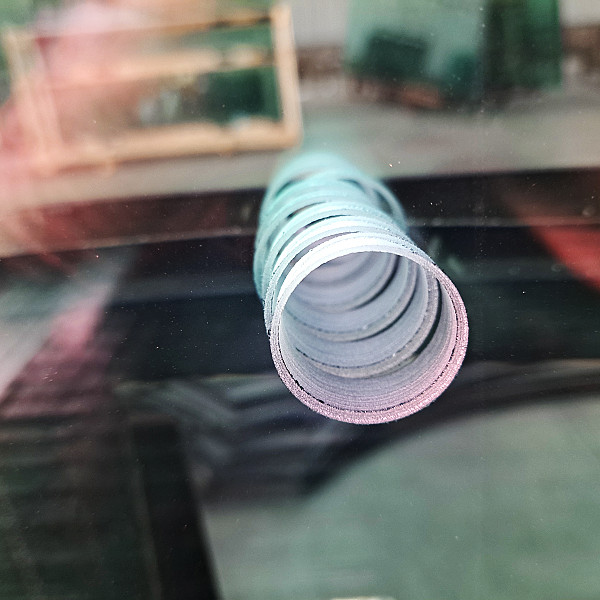
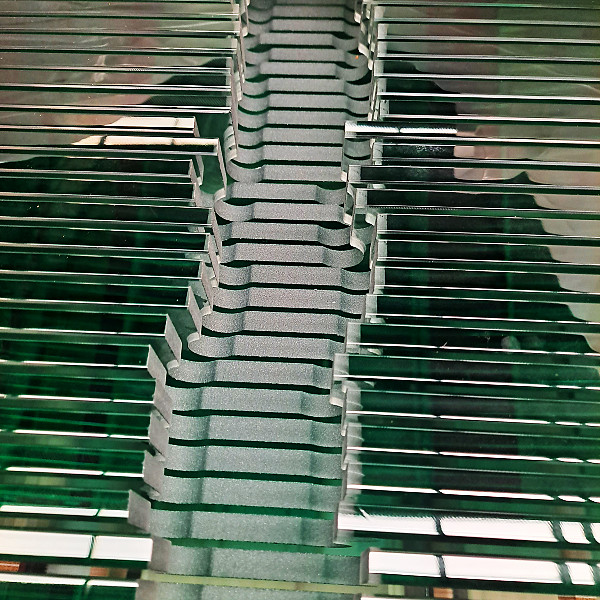
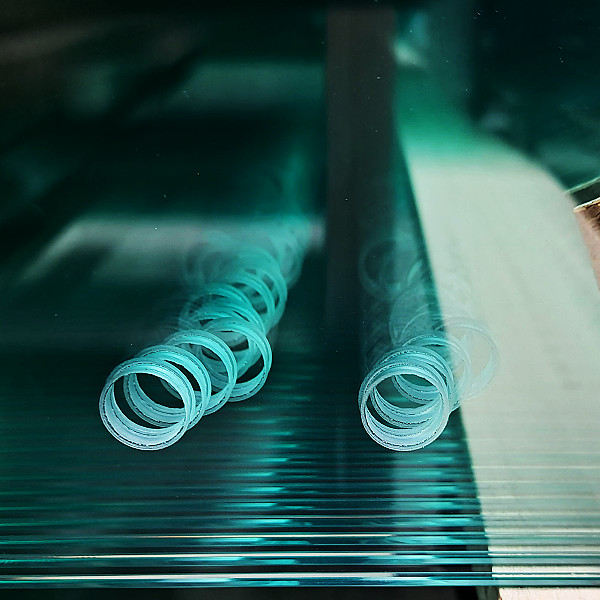
All cutout holes and hinge placements are executed using advanced waterjet technology, guaranteeing precise alignment and accuracy in every panel.

,

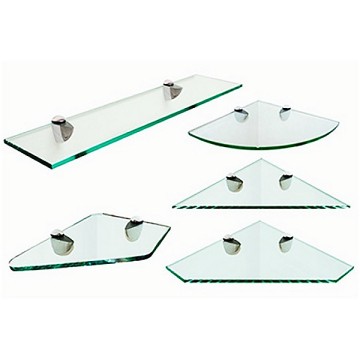
We welcome glass customization in any size and shape, offering options such as water-jet cutting for notches and drilling holes to meet your specific needs.

,

Shipping options include both train and water transportation, with flexible payment terms available, including FOB and CIF. Our company will procure insurance for the goods, with the client designated as the beneficiary, irrespective of the payment terms chosen.

Our experienced staff manages the loading of Full Container Load (FCL) shipments, while the port warehouse is equipped to handle Less than Container Load (LCL) goods efficiently.

,

    Send us message, you will get reply soon.Leave which type glass do you want, the size and QTY is better for us to give you price list soon. If you have pictures or files, Email will better for you. Email: info@dingsen-industry.com

    Enhanced Strength & Safety Features

    Only A-grade float glass is used by LYD GLASS to manufacture tempered glass, significantly lowering the rate of self-explosion. Our products feature 3-5mm round safety corners, polished edges, and flat edges to ensure employee and user safety, preventing accidental scratches.
    International Standards Compliance: Our tempered glass conforms with European (CE EN-12150-2:2004) and American (CAN CGSB 12.1-2022, ANSI Z97.1-2015, and CPSC 16 CFR 1201-2024) requirements.
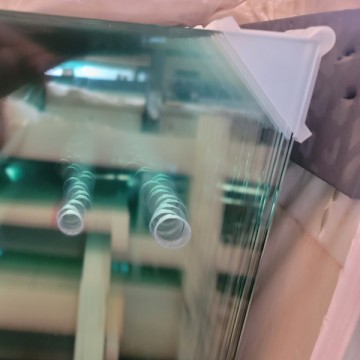
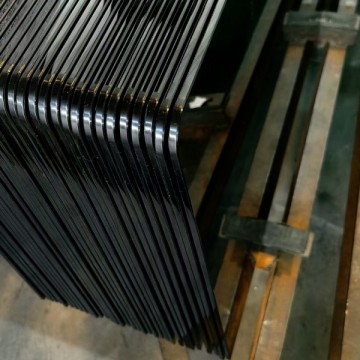
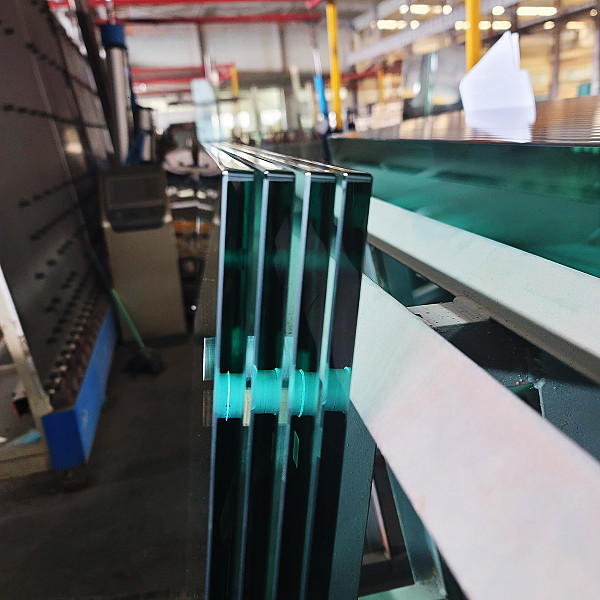
    Secure Packaging: All glass is packaged in sturdy hardwood boxes or steel pallets for maximum protection during transit.

    Superior Safety Performance

    Tempered glass is a type of safety glass processed by controlled thermal or chemical treatments. When broken, it shatters into small granular chunks instead of splintering into jagged shards, making it safer for high-traffic environments.

    The Production Process

    1. Preparation

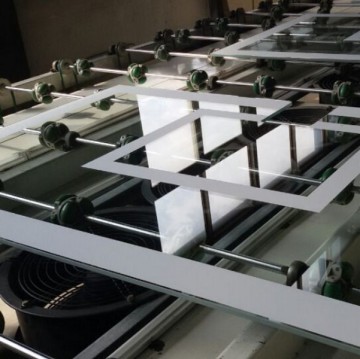
    Large sheets of float glass are cut to exact dimensions. All edges are ground and polished to remove micro-cracks that could cause breakage during tempering.

    2. Fabrication

    All drilling, notching, and cut-outs for hardware must be completed before tempering, as the glass cannot be modified once processed.

    3. Cleaning

    Glass is thoroughly washed with de-ionized water to remove dust and oils, ensuring a clean surface for uniform heating.

    Excellent Thermal Stability

    Tempered glass exhibits remarkable thermal stability, capable of withstanding temperature fluctuations ranging from 250°C to 320°C, compared to only 20-100°C for ordinary annealed glass.
    Heating Process

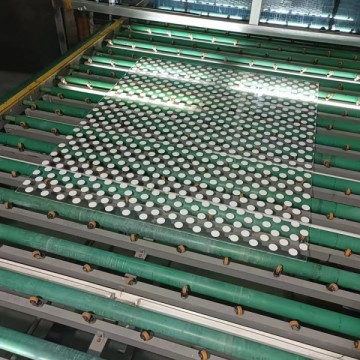
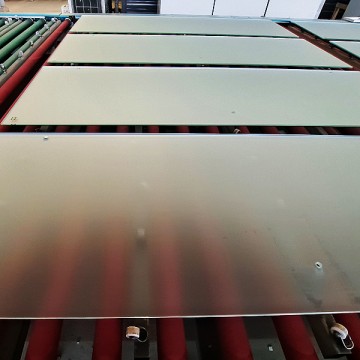
    Glass is heated in a furnace to between 620°C and 700°C, just above its annealing point, softening the material slightly.

    Quenching (Rapid Cooling)

    High-pressure air blasts cool the surfaces simultaneously, creating compressive stress on the exterior and tensile stress in the core.

    Key Advantages

    Superior Strength

    4-5 times more robust than annealed glass of the same thickness.

    High Thermal Shock Resistance

    Tolerates rapid temperature differentials up to 300°C.

    Optical Clarity

    Maintains the same optical properties as the original float glass.

    Common Application Scenarios

    • Architectural: Doors, windows, shower enclosures, and glass railings.
    • Furniture: Shelving, table tops, and retail displays.
    • Commercial: Storefronts, skylights, and partitions.
    • Specialized: Automobile windows, oven doors, and sports facility barriers.

    Tempered Laminated Glass

    An engineered composite that fuses the strength of tempered glass with the secure integrity of laminated glass using interlayers like PVB, EVA, or SGP.

    Interlayer Options

    Polyvinyl Butyral (PVB)

    The industry standard. Bonds tenaciously, blocks UV rays, and provides excellent sound damping.

    SentryGlas® Plus (SGP)

    Stiffer and stronger than PVB. Ideal for hurricane-rated, blast-hazard, and structural glazing.

    Frequently Asked Questions

    Why is tempered glass considered "Safety Glass"?
    Tempered glass is called safety glass because when it breaks, it shatters into small, blunt, pebble-like pieces instead of sharp, dangerous shards, significantly reducing the risk of injury.
    Can tempered glass be cut to size after it has been toughened?
    No. All cutting, edging, and drilling must be performed before the tempering process. Attempting to cut or drill tempered glass will cause it to shatter completely.
    What is the main difference between PVB and SGP interlayers?
    While PVB is the standard for sound damping and UV protection, SGP is much stiffer and stronger, making it better for high-security applications, structural glass floors, and hurricane resistance.
    What temperature range can tempered glass withstand?
    Tempered glass has excellent thermal stability and can withstand temperature fluctuations between 250°C and 320°C, making it ideal for oven doors and high-heat environments.
    How much stronger is tempered glass than regular glass?
    Tempered glass is generally four to five times stronger than annealed (regular) glass of the same thickness, offering much higher resistance to impact and bending.
    What standards does LYD GLASS tempered glass comply with?
    Our products meet European standards (CE EN-12150-2:2004) and American standards including ANSI Z97.1-2015 and CPSC 16 CFR 1201-2024 for architectural glazing safety.